2026 Weirdest Soccer Kits: Nigeria’s Neon Lions, Japan’s Samurai Stripes & Global Trends
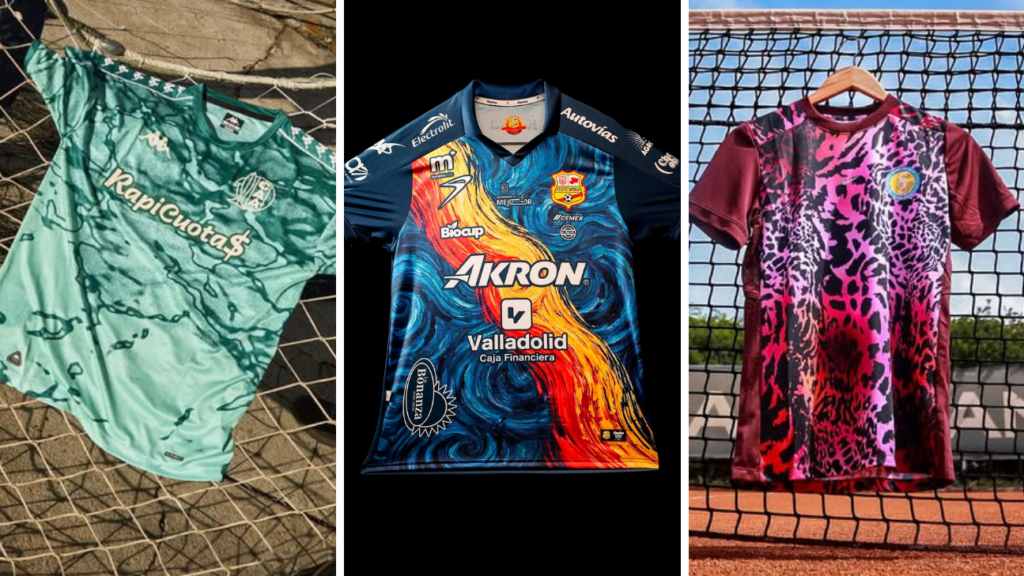
Why kits have become a marketing battlefield
Since the early 2000s, football shirts have morphed from simple team identifiers into high‑stakes advertising real estate. Clubs now negotiate multi‑million‑dollar deals with kit manufacturers, while sponsors demand eye‑catching graphics that can be turned into viral memes on TikTok and Instagram. The shift is evident in the surge of “statement” kits – designs that deliberately shock, amuse, or provoke – because each click translates into measurable brand exposure and, ultimately, revenue.
Data from Deloitte’s 2025 Football Industry Report shows that merchandise sales now account for roughly 30 % of total club income for top‑tier teams, up from 22 % a decade ago. The rise of limited‑edition releases, often timed around a bold new design, fuels scarcity‑driven buying behaviour. In this environment, a kit that looks like a piece of streetwear or high fashion can generate far more buzz – and cash – than a conventional strip.
African designers and diaspora influence the visual madness
Nigeria’s Sunshine FC stunned fans in March 2026 with a neon‑green jersey emblazoned with a stylised lion’s mane, a design credited to Lagos‑based street‑wear label “VibePulse”. The label’s founder, Chinedu Okafor, told *The Guardian Africa* that the kit was meant to celebrate the country’s “electric energy” and to give the diaspora a modern symbol they could wear at London pubs or New York brunches. The shirt sold out within 48 hours, prompting a second wave that included a limited‑edition hoodie and a digital NFT version.
Across the continent, similar collaborations are emerging. In Kenya, Gor Mahia partnered with Nairobi fashion collective “Kikapu” to launch a kit featuring traditional kanga patterns rendered in a neon palette. The move was praised by cultural commentator Aisha Mohamed, who noted that “the blend of heritage motifs with futuristic colourways signals a new confidence among African clubs to own their visual narrative on the global stage.”
Revenue boost: merch sales, streaming, and the diaspora market
The commercial impact of these out‑of‑the‑ordinary kits is measurable. Sunshine FC reported a 27 % jump in shirt sales compared with the previous season, with a sizable chunk coming from the UK and US where the Nigerian diaspora is concentrated. According to a 2026 Nielsen report, diaspora‑driven merchandise accounts for roughly 12 % of total African club apparel revenue, a figure that has doubled since 2020.
Beyond physical sales, bold designs drive streaming numbers. When the Japanese national team unveiled its “Samurai Stripes” kit – a black‑on‑black shirt with subtle red brush‑stroke accents – YouTube views of the launch video spiked to 3.4 million within 24 hours, according to *SportTech Insider*. The platform’s algorithm then pushed highlight reels featuring the kit to a wider audience, indirectly boosting broadcast ratings and advertising rates for leagues that feature the team.
Cultural resonance and controversy – when a shirt becomes a statement
Not every daring design lands smoothly. South Africa’s Kaizer Chiefs faced backlash in July 2026 when a new kit incorporated a stylised version of the apartheid‑era flag as a “historical reminder”. Human rights groups called the move “tone‑deaf”, and the club quickly withdrew the shirt after protests from fans and NGOs. The incident highlighted how kits can become flashpoints for broader social debates, especially when they intersect with painful histories.
Conversely, some designs have been embraced as symbols of pride. The Ghanaian women's national team’s “Gold Dust” kit – a shimmering gold jersey inspired by the country’s historic gold mines – was lauded by diaspora activists as a celebration of African wealth and resilience. Social‑media analytics from Brandwatch show that positive sentiment around the shirt peaked at 89 % during the 2026 Women’s World Cup, demonstrating the power of culturally attuned design to rally both local and overseas supporters.
The next wave: NFTs, sustainability and AI‑crafted patterns
Looking ahead, clubs are experimenting with digital ownership and eco‑friendly fabrics. In September 2026, Morocco’s Wydad Casablanca released a limited‑edition kit that could be purchased as an NFT; owners received a physical shirt made from recycled polyester and a token granting access to a virtual meet‑and‑greet with the team’s star striker. Early data from blockchain analytics firm DappRadar suggests the drop generated $3.2 million in combined crypto and fiat sales, hinting at a lucrative hybrid model.
Sustainability is also reshaping aesthetics. European manufacturers are using plant‑based dyes that produce vivid, unconventional colours – think electric turquoise or ultraviolet pink – without the environmental toll of traditional chemicals. African clubs are keen to adopt these technologies, both to meet EU import standards and to align with growing fan demand for greener products. As AI‑driven design tools become more accessible, we can expect an influx of hyper‑personalised kits that blend local motifs with algorithm‑generated patterns, further blurring the line between sport, fashion and technology.
Quick Answers
What are the most unusual soccer kits of 2026?
Highlights include Nigeria’s Neon Lions shirt by VibePulse, Japan’s Samurai Stripes black‑on‑black kit, and Morocco’s NFT‑linked recycled‑polyester jersey.
How do African clubs benefit from bold kit designs?
Eye‑catching kits drive higher merchandise sales, attract diaspora buyers, and increase streaming and sponsorship value, often boosting club revenue by 20‑30 %.
Are soccer kits becoming collectible NFTs?
Yes, clubs like Wydad Casablanca have launched NFT‑linked kits that combine digital ownership with physical, sustainably made shirts, creating a new revenue stream.
Source: www.espn.com




💬 Comments 0