2027 Women’s World Cup contenders: Nigeria, South Africa, USA and 47 others ranked – full list
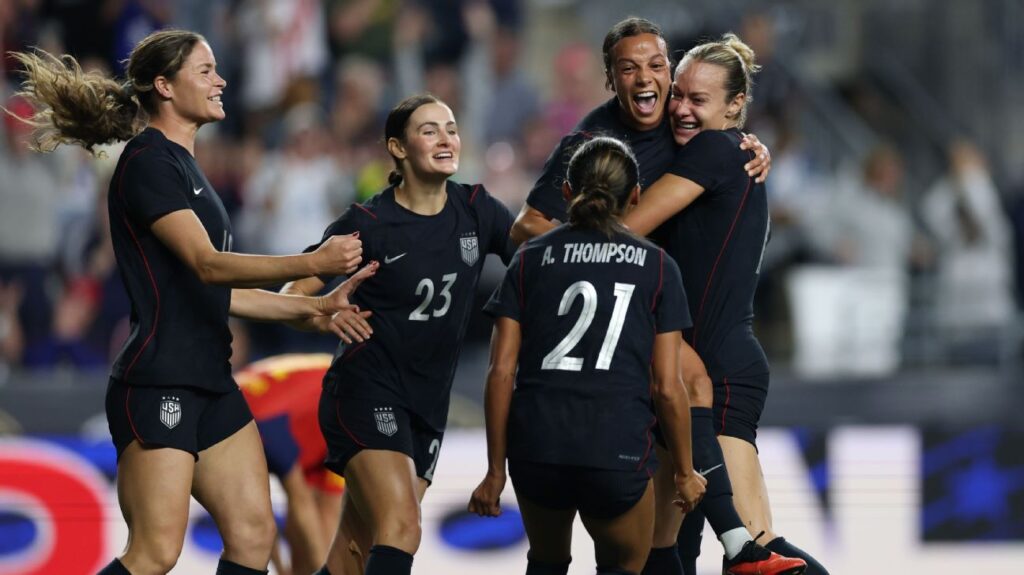
The landscape of women's football heading into 2027
With the 2027 FIFA Women’s World Cup set to return to North America, the sport has never been more global. The tournament will feature 32 teams, up from 24 in 2019, and the qualification calendar now squeezes four international breaks before the finals. This compressed schedule forces federations to balance club commitments, youth development, and senior team preparation, a challenge that has reshaped coaching strategies worldwide. Moreover, the surge in viewership—record-breaking numbers in 2023 and 2025—has attracted new sponsors, prompting federations to invest heavily in scouting and analytics to gain a competitive edge.
The expanded field also means that traditional powerhouses such as the United States, Germany and Sweden cannot rest on past laurels. Nations that previously hovered on the periphery, like the Philippines and Morocco, have demonstrated tangible progress through professional domestic leagues and increased FIFA funding. As a result, the ranking of all 49 possible contenders now reflects a blend of historic success, recent form, and the depth of emerging talent pipelines.
African nations rising: who can challenge for the trophy?
Nigeria’s Super Falcons remain the continent’s most decorated side, having qualified for every edition since 1991 and reaching the quarter‑finals in 2023. Their recent qualification through a revamped CAF format, which introduced a home‑and‑away knockout round, has given the squad more competitive matches and a chance to fine‑tune tactics ahead of the World Cup. Meanwhile, South Africa’s Banyana Banyana, fresh off a historic semi‑final run in 2025, have built a core of Europe‑based players whose experience against top‑tier opposition is narrowing the gap with traditional giants.
Beyond the two giants, nations such as Cameroon, Ghana and Zambia are making strategic investments in youth academies, often in partnership with European clubs. According to CAF’s technical director, the continent’s “women’s football development blueprint” aims to have at least ten African teams ranked inside the top 30 by 2028. If those pathways bear fruit, the odds of an African side breaking into the final four at the 2027 tournament become more realistic than in any previous cycle.
Commercial stakes: sponsorship, media rights and African markets
The 2027 edition is projected to generate over $1.2 billion in global revenue, a figure that dwarfs the $800 million earned in 2023. A significant share of that growth is tied to emerging markets, with Africa expected to contribute roughly $150 million through broadcast deals and brand partnerships. Companies such as MTN, Safaricom and TotalEnergies have already announced multi‑year sponsorships that tie their corporate social responsibility agendas to women’s sport, signalling a shift from token support to long‑term commercial commitment.
These deals are more than just financial injections; they influence how the game is presented to African audiences. For instance, a joint venture between FIFA and the African Union of Broadcasting will stream every match on free‑to‑air platforms across sub‑Saharan Africa, a move that could boost viewership by up to 30 % according to a 2026 market study. Higher exposure, in turn, fuels grassroots participation, creating a virtuous cycle that benefits both the sport and the sponsors.
Diaspora influence and talent flow
The African diaspora in Europe and North America continues to be a crucial talent pipeline for national teams. Players like Nigeria’s forward Ifeoma Onuoha, who plies her trade in the English Women’s Super League, and South Africa’s midfielder Thandiwe Mkhize, a starter for a French Division 1 club, bring tactical sophistication and professional conditioning that elevate squad standards. According to a 2026 report by the International Centre for Sports Studies, 27 % of African women’s national team rosters now feature at least one overseas‑based player, up from 14 % a decade ago.
This flow of talent also raises questions about eligibility and national identity. While some federations have embraced dual‑nationality policies to secure top talent, others worry about a “brain drain” that could weaken domestic leagues. Recent dialogue at the CAF Women’s Congress highlighted the need for coordinated pathways that allow diaspora players to contribute without sidelining home‑grown prospects—a balance that could shape the competitive landscape for years to come.
What comes next: qualification, scheduling and legacy
The next phase of qualification begins in early 2027, with CAF’s inter‑continental playoffs slated for March. Those fixtures will be the last chance for teams on the cusp—such as Ivory Coast and Kenya—to secure a berth. The tight timeline means coaching staff must prioritize squad cohesion over experimental line‑ups, a factor that could advantage nations with established core groups.
Beyond the tournament itself, the legacy agenda is already taking shape. FIFA’s “Women’s Game Legacy Fund” earmarks $200 million for infrastructure projects across Africa, targeting stadium upgrades, coaching education and grassroots programs. If the fund is deployed effectively, the 2027 World Cup could catalyze a new era of professional women’s football on the continent, echoing the transformative impact the men’s 2010 World Cup had for South Africa.
Quick Answers
Which African teams are ranked in the top ten for the 2027 Women's World Cup?
Nigeria and South Africa are the only African nations in the top ten, reflecting their recent World Cup performances and strong player pools.
How will the 2027 Women's World Cup affect sponsorship opportunities in Africa?
The tournament is expected to boost African sports sponsorship by up to $150 million, with brands targeting broadcast rights, grassroots programs and digital engagement.
When does the qualification process for the 2027 Women's World Cup start?
CAF’s qualification campaign kicks off in early 2027, with inter‑continental playoffs scheduled for March 2027.
Source: www.espn.com




💬 Comments 0