Aleksander Čeferin seeks fourth UEFA term in 2026 – impact on African football
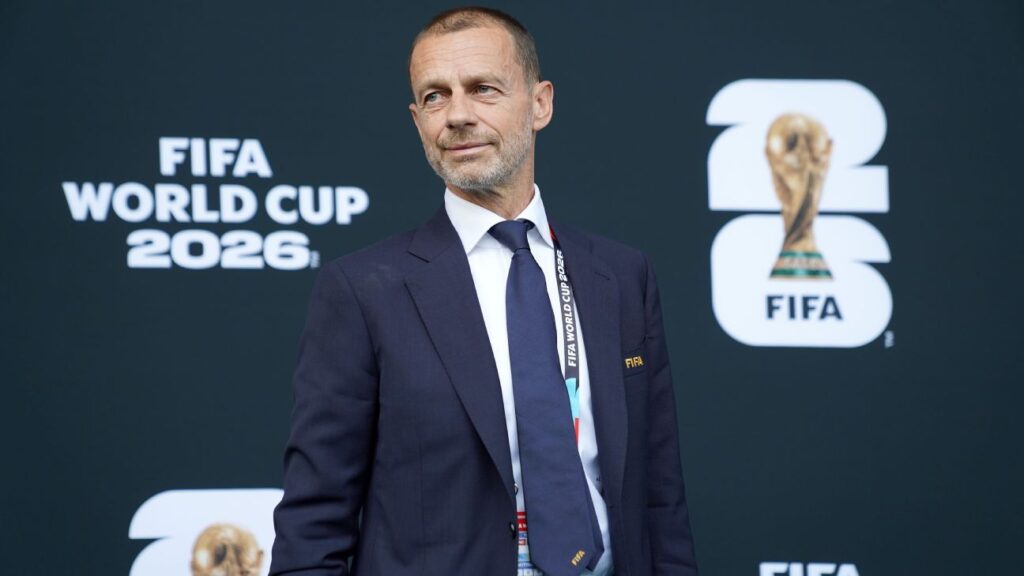
Ceferin’s first three terms: reforms and controversies
When Aleksander Čeferin took over UEFA in 2016, he promised to modernise European football while protecting its grassroots. Over the past twelve years he has overseen the expansion of the Champions League, introduced a new financial‑fair‑play framework and pushed for a unified European calendar that aligns club and international fixtures.
His tenure has not been without friction. Critics argue that the expanded Champions League favours elite clubs and widens the revenue gap, while some national associations claim the new calendar threatens traditional winter breaks. Nonetheless, UEFA’s commercial revenues have surged past €4 billion annually, according to the organisation’s 2024 financial report.
Čeferin’s leadership style—characterised by a mix of diplomatic outreach and firm negotiation—has earned him both allies in the big‑five leagues and scepticism from smaller federations that feel sidelined in decision‑making.
Why a fourth term matters for UEFA’s future
Running for a fourth term would make Čeferin one of the longest‑serving heads in UEFA’s modern history. The move signals a desire for continuity as the governing body prepares for the 2028 European Championship and the next round of World Cup qualifying reforms.
Supporters say his experience is vital for navigating the complex relationship between UEFA, FIFA and the growing influence of the European Super League lobby. A 2025 poll by the European Club Association showed that 68 % of clubs preferred “stable leadership” ahead of any major competition overhaul.
Potential challengers, such as the current UEFA vice‑president and a coalition of smaller national federations, argue that fresh ideas are needed to address persistent issues like gender parity in coaching and the under‑representation of African voices on UEFA committees.
The African angle: how UEFA’s direction shapes the continent’s game
African football is increasingly intertwined with Europe. Over 120 African players featured in the 2022‑23 Champions League, and the continent’s top clubs rely on UEFA‑sanctioned revenue streams from friendly matches and youth tournaments. Čeferin’s policies on competition format therefore ripple across African leagues.
If the Champions League continues to expand, African clubs could gain more exposure through qualifying rounds that offer modest prize money. However, critics warn that a larger elite group could further concentrate TV rights, leaving African broadcasters with fewer high‑profile matches to sell, a concern highlighted by the South African Football Association in a 2024 briefing.
Another key issue is referee development. UEFA’s recent partnership with CAF to run joint training programmes has been praised for raising standards, but the continuation of such collaborations depends on the political will of the UEFA president. Sources close to CAF say that a new president could either deepen the partnership or shift focus toward domestic African competitions.
Governance trends: longevity versus renewal in sports bodies
Long tenures in sports governance are a global pattern. FIFA’s Gianni Infantino, for example, secured a third term in 2023, while the International Olympic Committee has seen Thomas Bach serve for over a decade. Analysts argue that extended leadership can bring strategic consistency, but it also raises questions about accountability.
Transparency watchdogs, such as Transparency International’s sports division, have repeatedly called for term limits at UEFA, citing the risk of entrenched networks that may sideline emerging markets, including Africa. In a 2025 report, the watchdog warned that “prolonged incumbency can diminish the incentive for reform, especially in areas like equitable revenue distribution.”
The upcoming election will therefore be watched not just for its immediate outcome but as a bellwether for how European football balances continuity with the demand for fresh governance models that better reflect a global fan base.
What’s next: timeline, potential challengers and the road ahead
UEFA’s presidential election is scheduled for February 2027, with candidate nominations due by the end of November 2026. Čeferin is expected to file his candidacy shortly after the deadline, according to a source within the federation.
Among the likely contenders is the current UEFA vice‑president, who has campaigned on a platform of “inclusive growth” and promises to increase African representation on the Executive Committee. A coalition of smaller national associations is also rumored to be backing a joint candidate to push for term limits and a more transparent financial model.
Regardless of who wins, the next president will inherit a set of challenges that include finalising the new Champions League format, negotiating broadcasting rights for the 2028 Euros, and maintaining a delicate partnership with CAF. For African stakeholders, the election will be a chance to press for greater involvement in decision‑making and to secure a fairer share of the growing football economy.
Quick Answers
When is the UEFA presidential election scheduled?
The election will take place in February 2027, with candidate nominations closing in November 2026.
How could Čeferin’s fourth term affect African football?
His policies on competition formats and UEFA‑CAF collaborations influence prize money, exposure for African clubs, and referee development programmes.
Are there term‑limit rules for UEFA presidents?
UEFA currently has no formal term limits, though transparency advocates have called for restrictions to prevent prolonged incumbency.
Source: www.espn.com




💬 Comments 0