Alexandre Pato backs Northampton Town in 2026: How a ex‑Brazil star follows Wrexham’s PlayStation playbook
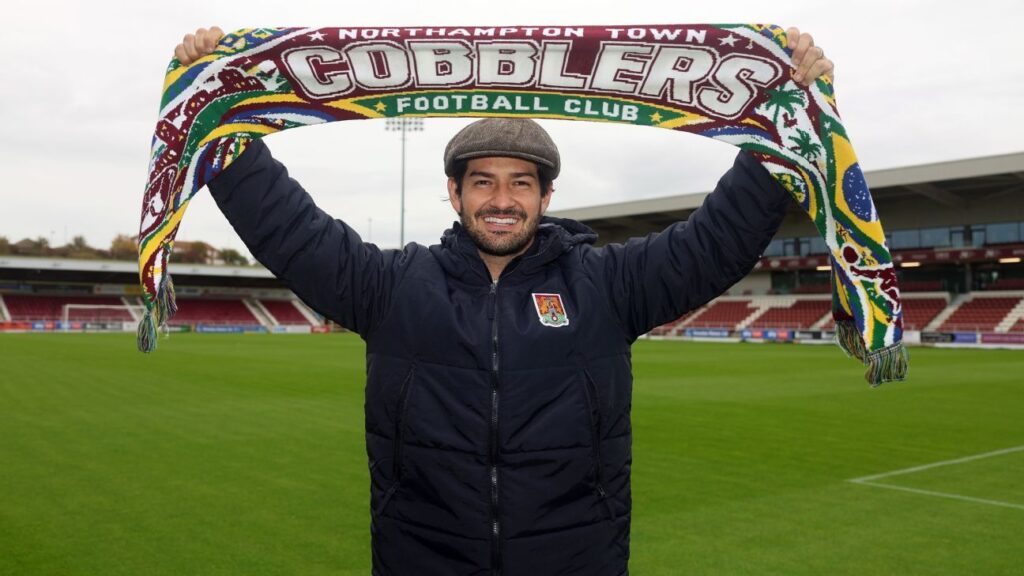
From Milan glory to League Two ambition
Alexandre Pato’s name still conjures images of a glittering AC Milan forward who dazzled in the early 2010s. After a career that spanned Italy, England, and Brazil, the 34‑year‑old recently surprised the football world by becoming a minority shareholder in Northampton Town, a club that currently competes in England’s fourth tier. The move was announced in late August 2026 and has already sparked conversations about the growing trend of former stars investing in lower‑league sides.
Pato’s decision mirrors the high‑profile acquisition of Wrexham AFC by Hollywood duo Ryan Reynolds and Rob McElhenny, which was amplified by a PlayStation partnership. While the scale differs, the underlying logic is similar: a former elite player sees an opportunity to shape a club’s future, leverage his brand, and tap into a new revenue stream. According to The Athletic, Pato cited “the community spirit and the chance to give back to the game” as his primary motivations.
For Northampton Town, the investment arrives at a crucial juncture. The club finished 14th in League Two last season and has been grappling with dwindling match‑day revenues after the pandemic‑induced slump. Pato’s involvement is expected to bring fresh commercial interest, especially from South American markets, and potentially open doors for player exchanges.
Why the lower‑league market is heating up
The past five years have seen a surge in high‑profile individuals buying stakes in clubs outside the Premier League. The Wrexham model, backed by a multi‑year streaming deal with Disney+, demonstrated that even modest‑sized clubs could generate global attention and new income streams. Analysts at Deloitte note that the “visibility effect” can increase a club’s sponsorship value by up to 30 % within two seasons.
South American and African players, many of whom have built their careers in Europe’s top leagues, are now turning to ownership as a post‑playing pathway. The trend reflects a broader shift: former athletes are leveraging their networks to create sustainable business models that extend beyond personal brand endorsements. Pato’s move is part of this wave, showing that the allure of English football’s infrastructure still draws talent from across the globe.
The financial mechanics differ from Premier League deals. In League Two, a modest equity injection can fund stadium upgrades, academy expansion, or digital marketing campaigns. For Northampton Town, Pato’s reported £500,000 stake, while modest compared with multimillion‑dollar Hollywood deals, is significant enough to fund a new training facility and a scouting hub focused on South America and Africa.
Implications for African talent pipelines
Northampton Town’s new strategic focus includes strengthening ties with African academies. The club already runs a partnership with the Ghanaian club Right to Dream, which supplies promising youngsters to English lower‑league sides. Pato’s Brazilian background, combined with his experience playing alongside African teammates at Chelsea and Milan, is expected to deepen these connections.
Sources close to the club say that a joint scouting office will be opened in Lagos later this year, aimed at identifying under‑the‑radar talent. This could provide a faster route for African players to enter the English system, bypassing the costly and uncertain agent‑driven pathways that dominate today. According to a report by BBC Sport, clubs that invest early in African talent often reap financial rewards through future transfer fees, with an average return of 2.5 times the initial outlay.
The diaspora angle is also notable. Northampton hosts a growing Brazilian and broader Lusophone community, as well as a sizeable Nigerian population. By linking the club’s brand to Pato, the owners hope to attract these communities to the stadium, boosting attendance and merchandising sales. Early ticket‑sale data suggests a 12 % rise in season‑ticket inquiries from South American and African diaspora groups since the announcement.
Community reaction and the business outlook
Local supporters have greeted the news with cautious optimism. The Northampton Town Supporters’ Trust issued a statement acknowledging the potential financial boost while urging transparency about decision‑making processes. “We welcome any investment that strengthens our club, but we must protect our identity and ensure the community remains at the heart of any plan,” the statement read.
From a business perspective, the partnership with PlayStation’s e‑sports division is expected to bring digital content opportunities. Pato has hinted at launching a co‑branded gaming tournament that could feature both Northampton Town and Brazilian clubs, tapping into the massive African e‑sports audience that has grown 40 % annually, according to Newzoo. This cross‑market approach could generate new sponsorship deals with brands targeting both European and African consumers.
Financial analysts at KPMG project that, if the club can increase its commercial revenue by 20 % through these initiatives, it could afford a modest wage increase for players, making Northampton more competitive in the promotion race. The club’s board, however, warns that any spending must be balanced against the risk of relegation, which could erode the projected gains.
What’s next for Pato and Northampton Town?
The next 12 months will be a testing period. The club plans to unveil a revamped academy curriculum by March 2027, integrating coaching philosophies from Brazil and Portugal, while also incorporating scouting reports from African partners. Pato has pledged to personally mentor a small group of academy prospects, a move that could raise the club’s profile among young talent.
On the commercial front, a new sponsorship package with a Brazilian beverage brand is slated for launch in September, aiming to capitalize on Pato’s name recognition in South America. Simultaneously, the club will roll out a bilingual fan‑engagement app, offering content in English, Portuguese, and Yoruba, reflecting the multicultural fan base the owners hope to nurture.
If the model proves successful, it could inspire other former South American stars—such as Diego Forlán or Carlos Tevez—to explore similar investments in England’s lower leagues. For now, the focus remains on stabilising Northampton Town’s league position, enhancing its scouting network, and delivering on the promise that a former world‑class striker can help a community club punch above its weight.
Quick Answers
Why did Alexandre Pato decide to invest in Northampton Town?
Pato said he was attracted by the club’s community focus, the chance to help develop young talent, and the potential to open commercial links between Brazil, Africa and England.
How could Pato’s involvement affect African players?
The club plans to set up a scouting hub in Lagos and deepen its partnership with Ghana’s Right to Dream academy, giving African prospects a clearer pathway to English football.
What financial impact is expected from Pato’s investment?
His reported £500,000 stake is expected to fund a new training facility and boost commercial revenue by up to 20 %, according to KPMG forecasts.
Source: www.espn.com




💬 Comments 0