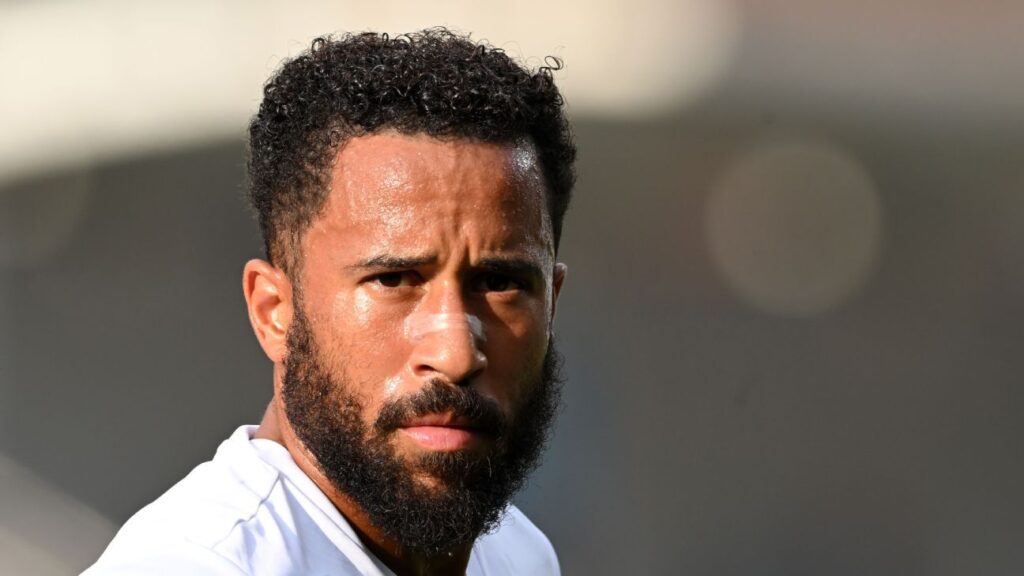
Andros Townsend runs over pitch roller in Thai Pro League 2026 – injury avoided, safety concerns rise
Background: Townsend’s career and the Thai league’s rise
Andros Townsend, a former England winger with over 300 Premier League appearances, signed for Thai club Buriram United in July 2026 after a series of short‑term contracts in Europe and the United States. The move was part of a broader wave of ex‑European players seeking lucrative deals in Southeast Asia, where clubs are investing heavily in foreign talent to boost television revenues and fan engagement.
The Thai Pro League has been on a rapid growth trajectory since 2020, expanding its foreign‑player quota from three to five per side and securing a multi‑year broadcasting deal with a regional streaming platform. This strategy has attracted not only former Premier League stars but also a growing contingent of African players, such as Ghanaian striker Kofi Owusu at Bangkok United and Nigerian midfielder Chukwudi Nwankwo at Port FC, who see the league as a springboard to larger Asian markets.
The incident: pitch roller mishap
During a routine training session on 19 September 2026, Townsend was walking across the midfield line when a motorised pitch roller, meant to smooth the turf after a heavy rain, rolled over his right foot. Witnesses say the equipment operator failed to stop the machine after a miscommunication over the hand‑signal used to indicate a pause. Townsend fell but, remarkably, escaped any serious injury and was able to finish the session after a brief check by the club’s medical staff.
Club spokesperson Surachai Prasert confirmed that the pitch roller was a newly‑acquired model that had not yet undergone a full safety audit. He added that the incident would be investigated by the Thai Football Association (FA Thailand) and that the equipment would be taken out of service pending the review. The FA issued a brief statement saying it would “review operational protocols to ensure player safety across all professional clubs.”
While the episode was captured on a teammate’s phone and quickly spread on social media, most analysts treated it as a freak accident rather than a sign of systemic negligence. However, former player‑turned‑pundit John Barnes warned that “when a high‑profile foreigner is nearly hurt on a routine drill, it highlights gaps in basic ground‑staff training that could affect any player, local or abroad.”
Why safety standards matter for foreign talent
Safety protocols are a decisive factor for overseas players evaluating contracts in emerging leagues. A 2024 survey by the International Players’ Union found that 68 % of African and Caribbean footballers consider “facility safety” as a top‑three criterion when negotiating moves outside Europe. Incidents like Townsend’s raise doubts about whether clubs in the Thai Pro League have fully adapted to the higher expectations of professional athletes accustomed to Premier League standards.
The reputational risk extends beyond individual clubs. Sponsors and broadcasters are increasingly linking their investments to the perceived professionalism of the league. If safety lapses become frequent, broadcasters may demand stricter compliance clauses, potentially slowing the revenue growth that has fueled the league’s expansion over the past five years.
Implications for African and diaspora players
Many African footballers view Southeast Asian leagues as viable alternatives to the crowded European lower divisions. Nigerian forward Chukwudi Nwankwo, who joined Port FC last season, cited “modern training facilities” as a key draw. An incident involving a foreign star can therefore influence the decision‑making of upcoming African talent, who often rely on word‑of‑mouth and social‑media reports from compatriots.
Diaspora communities in Thailand, such as the sizable Ghanaian and Nigerian expatriate groups in Bangkok, also monitor these events closely. A safety scare can affect community engagement, attendance at matches, and the willingness of local businesses to sponsor African players’ personal brand projects. Moreover, African agents who broker deals in the region may renegotiate fees or demand additional safety guarantees, subtly shifting the financial dynamics of player transfers.
On a broader scale, the episode may prompt the Confederation of African Football (CAF) to issue guidance for its members who send players abroad. In a recent webinar, CAF’s technical director emphasized the need for “pre‑deployment risk assessments” that include facility inspections, a move that could become standard practice for clubs signing African talent to Asian contracts.
What comes next: reforms and market reactions
FA Thailand has announced a provisional task force comprising former referees, safety engineers, and representatives from the players’ union. The group is expected to roll out a mandatory certification program for pitch‑maintenance equipment by early 2027, mirroring standards used in the Japanese J‑League. Clubs that fail to comply could face fines or loss of foreign‑player slots, creating a financial incentive to upgrade procedures quickly.
For the Thai Pro League’s commercial partners, the incident is a reminder to diversify risk. Sponsors such as Thai Beverage and telecom giant AIS are reportedly exploring clauses that tie sponsorship payments to verified safety audits. Meanwhile, European broadcasters eyeing a rights package for the 2027 season have asked for a detailed safety compliance report before committing to a multi‑year deal.
Quick Answers
Did Andros Townsend suffer any injuries from the pitch roller incident?
No, Townsend escaped serious injury and was cleared to continue training after a brief medical check.
How might this incident affect African players considering moves to Thailand?
The mishap could make African players more cautious, prompting agents and clubs to demand stricter safety guarantees before finalising contracts.
What safety changes are expected in the Thai Pro League after the incident?
FA Thailand plans to introduce a certification program for pitch‑maintenance equipment and may impose fines on clubs that do not meet the new standards.
Source: www.espn.com




💬 Comments 0