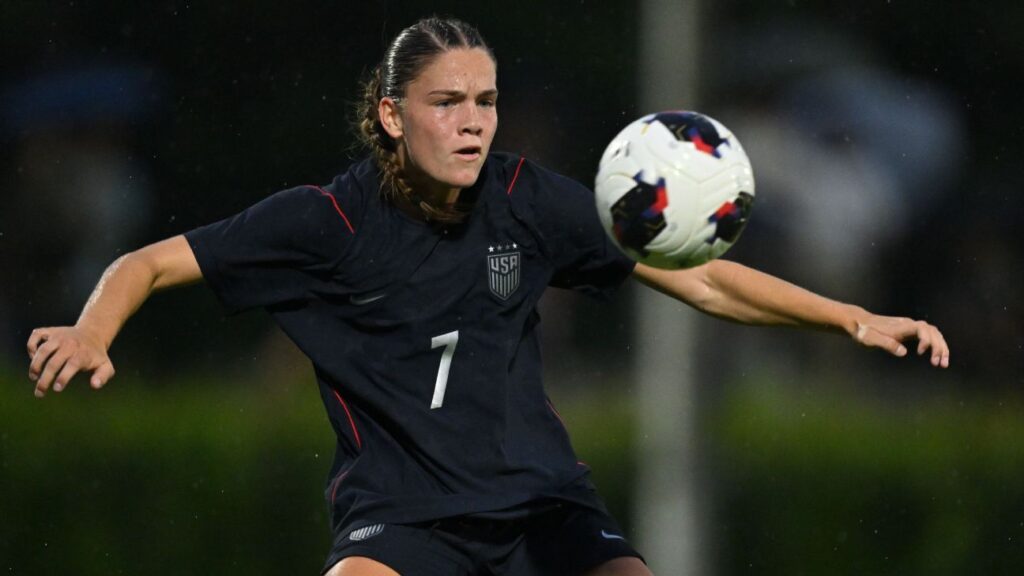
Angel City signs U17 US forward Maddie DiMaria to 2030 deal, boosting NWSL youth pipeline
Angel City’s long‑term youth strategy
When Angel City FC entered the NWSL in 2022, the franchise made it clear that building a pipeline of home‑grown talent would be as important as signing marquee veterans. The club’s ownership group, which includes Hollywood names and tech investors, has poured resources into scouting, data‑driven analytics, and a state‑of‑the‑art academy in Los Angeles. This approach mirrors what European clubs have done for years, aiming to lock in future stars before they become expensive free agents.
The 2030 contract with Maddie DiMaria is the latest high‑profile example of that blueprint. By offering a decade‑long deal to a player who is still only 16, Angel City signals confidence that the NWSL can retain its best prospects long enough to become league icons. The move also sets a benchmark for other clubs, who may now feel pressure to match such early commitments if they want to stay competitive in the talent market.
Who is Maddie DiMaria?
Maddie DiMaria burst onto the international scene at the 2024 FIFA U‑17 Women’s World Cup, where she not only led the United States to the semifinals but also broke the tournament’s goal‑scoring record with nine goals in six matches. Her blend of technical skill, composure under pressure, and an instinctive knack for finding space has drawn comparisons to former USWNT stars like Alex Morgan and Tobin Heath. Scouts from Europe and Asia reportedly tracked her throughout the tournament, but she chose to stay in the United States for now.
Beyond the numbers, DiMaria is a product of the U.S. Youth Soccer Development Academy, a system that has increasingly emphasized individualized training plans and mental‑health support. Her parents, both first‑generation immigrants from Nigeria, have spoken publicly about wanting their daughter to serve as a role model for other African‑American and African diaspora kids who aspire to professional football. That personal narrative adds a cultural layer to what is otherwise a pure sporting achievement.
Why the 2030 contract matters for U.S. women’s soccer
A ten‑year deal is virtually unheard of in women’s football, where most contracts span two to three seasons. According to a report by The Athletic, the length of DiMaria’s contract reflects a growing belief that the NWSL can now offer financial stability comparable to men’s leagues. It also gives Angel City the chance to develop a brand around a single player for an entire generation, something that can translate into ticket sales, merchandise, and media rights revenue.
From a developmental perspective, the contract guarantees DiMaria access to the club’s elite training facilities, sports‑science staff, and competitive senior‑team minutes as early as the 2025 season. This continuity could accelerate her transition from youth prodigy to senior international, bolstering the United States’ chances of maintaining dominance ahead of the 2028 Los Angeles Olympics. Coaches have already hinted that DiMaria could be in contention for a senior call‑up by age 19, a timeline that would be unprecedented for an American forward.
Implications for African and diaspora talent pathways
DiMaria’s Nigerian heritage has sparked conversation across the African football community about the untapped potential of diaspora players. While she will represent the United States, her success story is already being used by Nigerian football officials to argue for stronger scouting links with U.S. academies that serve African immigrant families. Sources say the Nigeria Football Federation is exploring a formal partnership with several American youth clubs to identify dual‑national prospects before they commit to another nation.
The signing also resonates with African‑American fans who have historically felt under‑represented in the marketing narratives of U.S. women’s soccer. By highlighting DiMaria’s background in promotional material, Angel City could attract a new segment of supporters, especially in cities with large African diaspora populations such as Houston, Atlanta, and Washington, D.C. This demographic shift may encourage other NWSL clubs to broaden their outreach strategies, creating a virtuous cycle of visibility and investment for players of African descent.
Market and branding opportunities in Africa
The NWSL’s viewership in Africa has been on a modest upward trajectory, with streaming data from 2023 showing a 27% increase in viewers from Nigeria, Kenya, and South Africa during the league’s playoffs. Angel City’s partnership with a globally recognized streaming platform positions the club to capitalize on that growth. By featuring DiMaria in digital campaigns that celebrate her dual heritage, the club can tap into advertising dollars from brands seeking to reach African consumers, a market projected to reach $2.8 trillion by 2030.
Furthermore, the long‑term contract opens doors for community‑based initiatives. Angel City has already pledged to fund grassroots programs in West Africa, and DiMaria’s name could serve as a bridge for those projects. If the club follows through, it would set a precedent for American clubs directly investing in African football infrastructure, something that could reshape talent pipelines and create a new revenue stream for the NWSL.
What’s next for DiMaria and the league?
The immediate task for DiMaria will be to earn minutes with Angel City’s senior squad during the 2025 preseason. Coaching staff have indicated that she will split time between the first team and the club’s U‑23 side, allowing her to acclimate to the physicality of professional play while still dominating at a youth level. Fans can expect her debut to be heavily promoted on social media, with behind‑the‑scenes content aimed at building a personal connection with the club’s growing fan base.
Long‑term, the signing could inspire a wave of similar contracts across the league, prompting a reassessment of salary caps and allocation money rules. Analysts predict that if Angel City’s gamble pays off—both on the pitch and in commercial terms—other NWSL owners may feel compelled to secure their own teenage phenoms, potentially leading to an era where the league rivals Europe’s top women’s competitions in both talent retention and financial clout.
Quick Answers
When did Angel City sign Maddie DiMaria?
Angel City announced the signing of Maddie DiMaria on Thursday, November 6, 2026.
How long is Maddie DiMaria’s contract with Angel City?
The contract runs through the 2030 season, making it a ten‑year deal.
Will DiMaria’s signing affect African football?
Yes, her Nigerian heritage is prompting discussions about diaspora scouting and could lead to new partnerships between the NWSL and African football academies.
Source: www.espn.com




💬 Comments 0