Antonio Conte denies Manchester United job rumours 2026 – club and African players
The rumor mill: Conte and United
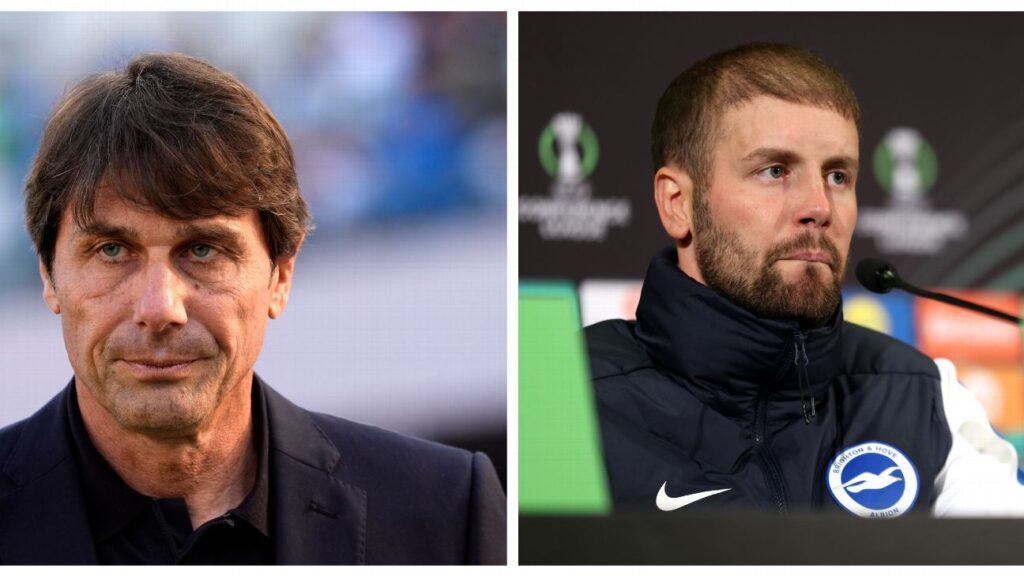
Speculation surged in early October after a series of anonymous tips suggested that Antonio Conte, the seasoned Serie A manager, was in advanced talks to replace Michael Carrick at Manchester United. The chatter was amplified by social media threads that linked Conte’s recent success with Tottenham Hotspur’s resurgence to a possible overhaul at Old Trafford. While the story gained traction, United’s official channels remained silent, prompting pundits to read between the lines.
On October 22, Conte stepped onto the pitch for a press conference in Turin and was directly asked about the United speculation. He responded with a curt denial, stating that his focus remained on his current responsibilities and that no formal discussions had taken place. The brief exchange was captured by local broadcasters and quickly circulated worldwide, effectively putting a stop to the most sensational claims.
Football insiders, however, noted that the denial does not eliminate the broader narrative that United is actively scouting experienced European coaches. According to The Guardian, the club’s hierarchy has been consulting a shortlist of candidates, with Conte’s name appearing more as a benchmark than a concrete option. This context helps explain why the rumor persisted despite the manager’s clear refutation.
Why the United job matters beyond Old Trafford
Manchester United’s search for a new head coach is more than a simple managerial change; it signals the club’s strategic direction in a post‑Alex Ferguson era. The Red Devils have struggled to translate big‑ticket signings into consistent on‑field success, and a seasoned tactician like Conte could bring the disciplined structure that many analysts believe is missing. The decision will therefore affect everything from transfer policy to youth development pipelines.
A new manager also reshapes the club’s brand on the global stage, influencing sponsorship deals and fan engagement across continents. United’s massive following in Africa, especially in Nigeria, Ghana, and South Africa, means that any high‑profile appointment will be dissected by local media, affecting merchandise sales and viewership numbers. The club’s recent partnership with a Nigerian telecom giant underscores how coaching narratives can have direct commercial implications.
Moreover, the timing aligns with the upcoming summer transfer window, when United will likely spend heavily to close gaps in its squad. A manager with a reputation for demanding tactical discipline could dictate the type of players the club pursues, potentially opening doors for African talent who fit a high‑press, physically robust system. This could alter the market dynamics for several African forwards and midfielders eyeing a move to the Premier League.
African players and the Italian coaching influence
Italian managers have historically favored African players who combine physicality with technical flair. When Roberto Mancini led Italy’s national team, he regularly called up Nigerian-born striker Victor Moses for his versatility, a trend that continued under subsequent Italian coaches at club level. Conte’s own track record includes giving opportunities to African-born players such as Mohamed Salah during his early years at Chelsea, suggesting a potential openness to similar profiles at United.
If United were to appoint an Italian coach, the scouting networks in Africa could see a renewed emphasis. Serie A clubs have already deepened ties with African academies, and a Premier League side adopting a comparable approach would amplify exposure for young prospects. This could translate into more African players being scouted during the African Cup of Nations qualifiers, a period that traditionally sees European clubs intensify their scouting missions.
Conversely, the denial of Conte’s involvement may preserve United’s current trajectory, which under Carrick’s interim stewardship has leaned toward a more flexible, possession‑based style. That approach has favored African midfielders like Wilfried Zaha, who thrive in fluid systems. The club’s existing coaching philosophy may therefore continue to accommodate the skill sets of several high‑profile African internationals already on United’s radar.
What the denial reveals about the market for African coaches
Conte’s dismissal of United rumours also shines a light on the broader coaching job market, where African managers are still fighting for recognition at elite European clubs. While the likes of Rudi Garcia and Didier Deschamps have secured top‑flight roles, African‑born coaches such as Stephen Keshi and Augustine Eguavoen have rarely been considered for Premier League appointments. The persistence of European‑centric speculation underscores a lingering bias that African coaches must navigate.
Industry analysts argue that United’s preference for high‑profile European names reflects a risk‑averse mentality among owners, who equate big‑name experience with commercial security. This mindset can inadvertently marginalize emerging African coaching talent, despite their growing success in domestic leagues across the continent. According to a report by CAF, the number of African coaches holding UEFA Pro licences has risen by 40 % in the last five years, yet their representation in top‑tier European clubs remains under 5 %.
The conversation around Conte’s potential move, therefore, serves as a reminder that visibility for African coaches still hinges on the decisions of clubs like United. A shift toward embracing diverse coaching backgrounds could accelerate the integration of African tactical perspectives into the Premier League, fostering a more inclusive football ecosystem.
Looking ahead: United’s options and the broader trend
With the summer window fast approaching, United is expected to finalize its coaching appointment within weeks. Sources close to the club suggest that a shortlist now includes a mix of experienced Europeans and a handful of promising British managers with continental experience. The final decision will likely balance tactical fit, marketability, and the ability to manage a squad laden with high‑profile personalities.
Regardless of whether Conte re‑enters the conversation, the episode illustrates a growing pattern: elite clubs are increasingly scrutinized for how their managerial choices affect global fan bases, especially in Africa. United’s recent community outreach programmes in Lagos and Accra demonstrate that the club’s on‑field decisions reverberate far beyond England, influencing grassroots participation and local economies tied to football merchandise.
In the months ahead, observers will watch how United’s appointment shapes transfer strategies, youth academy collaborations, and the representation of African talent on the world stage. The ripple effect could redefine not only United’s fortunes but also the broader narrative about who gets to lead the most watched clubs in the world, and how those decisions impact African football’s future.
Quick Answers
Did Antonio Conte accept a job at Manchester United in 2026?
No, Conte publicly denied any advanced talks with Manchester United, confirming he remains focused on his current role.
How could a new United manager affect African players at the club?
A manager’s tactical philosophy influences recruitment; an Italian‑style coach might favour physically robust African forwards, while a possession‑based approach benefits versatile midfielders.
What does Conte’s denial say about opportunities for African coaches?
It highlights the continued preference for high‑profile European managers at top clubs, underscoring the challenges African coaches face in breaking into elite positions.
Source: www.espn.com


💬 Comments 0