Argentina 7-0 Burkina Faso Friendly 2026: What the Rout Means for African Football and Upcoming AFCON Qualifiers
Background: A Lopsided Friendly and Its Unusual Circumstances
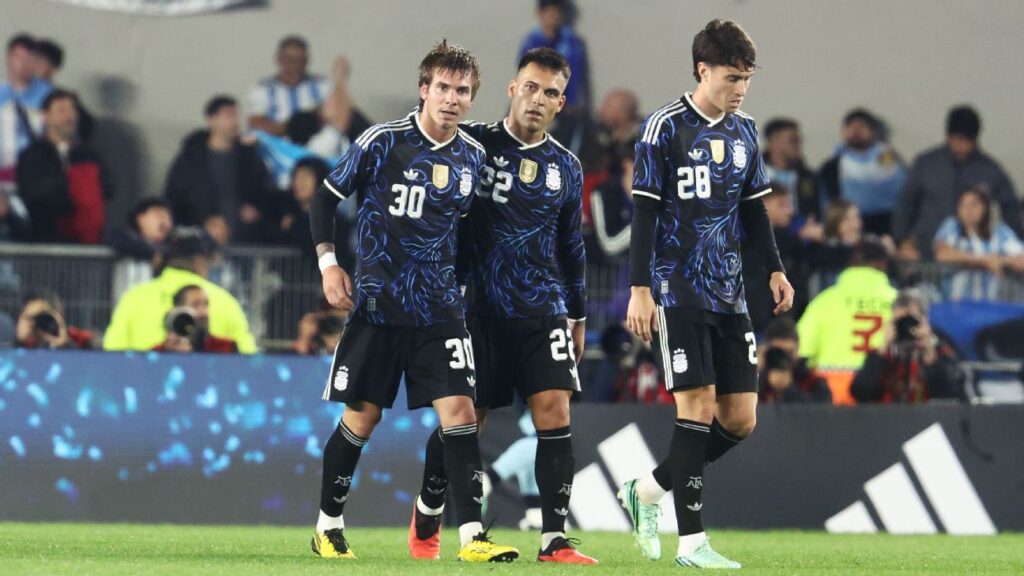
On 4 October 2026, Argentina hosted Burkina Faso at the Estadio Monumental in Buenos Aires for a senior‑level friendly. The South American giants fielded a mix of seasoned internationals and emerging talent, while the West African side arrived after a chaotic travel itinerary that saw several players miss flights and the squad reduced to a makeshift eleven. The match ended 7‑0 in favour of Argentina, a scoreline that reflects both the disparity in resources and the logistical hurdles faced by many African national teams.
Burkina Faso’s journey to Argentina was plagued by visa delays and a last‑minute charter flight that left the team with limited preparation time. According to local reports, only 15 of the 23‑man squad cleared customs in time, forcing the coach to rely on younger, less experienced players. The situation underscored a recurring problem for African federations: inadequate funding and administrative support for overseas travel, especially for friendlies that are not tied to tournament qualification.
For Argentina, the fixture was part of a post‑World Cup program designed to test squad depth ahead of the 2026 Copa América and the upcoming World Cup qualifiers. The South American side used the match to experiment with tactical variations, giving minutes to players who had not featured in the tournament. The result, while emphatic, also served as a showcase for Argentina’s footballing infrastructure and its ability to host high‑profile games even on short notice.
Why the Result Matters for Burkina Faso and African Football
The 7‑0 defeat is more than a statistical footnote; it raises questions about competitive balance in international friendlies. African teams often accept invitations to play against higher‑ranked opponents for exposure, yet the logistical strain can outweigh the developmental benefits. Analysts at CAF have warned that repeated mismatches may discourage smaller federations from seeking such fixtures, potentially limiting their players’ exposure to top‑level competition.
Burkina Faso is currently preparing for the 2027 Africa Cup of Nations qualifiers, scheduled to begin in early 2027. A heavy loss could impact player confidence and the coaching staff’s tactical planning. However, some insiders suggest that the experience of playing against world‑class opposition, even in a loss, can highlight gaps in fitness, tactical awareness, and technical execution that the team can address before the qualifiers, according to a source close to the Burkinabé federation.
The match also shines a light on the broader funding gap between African and South American federations. While Argentina enjoys robust commercial deals, broadcasting rights, and a strong domestic league that finances travel, many African nations rely on limited government budgets and sporadic sponsorship. This disparity often forces African teams into last‑minute travel arrangements, as seen in Burkina Faso’s case.
Diaspora Connections: African Communities in Argentina React
Argentina hosts a growing West African diaspora, particularly from countries like Senegal, Ivory Coast, and Burkina Faso. The friendly offered a rare opportunity for these communities to watch their national team play on a major stage, but the logistical chaos dampened the experience. Social media threads from Buenos Aires showed mixed feelings: pride in seeing the flag, but frustration over the disorganized arrival and the heavy defeat.
Local African cultural centres used the match to organize viewing parties, turning the event into a cultural gathering despite the scoreline. These gatherings illustrate how football can serve as a bridge between African migrants and Argentine society, fostering cross‑cultural dialogue. According to an organizer at the African Cultural Hub in Palermo, “Even a loss brings us together; it reminds us of home and the challenges our teams face abroad.”
The exposure also has commercial implications. Argentine clubs have begun scouting African talent in the diaspora, especially young players who train in local academies. A recent report by the Argentine Football Association noted an increase of 12% in African‑origin youth registrations over the past two years, a trend that could be accelerated by high‑visibility matches involving African national teams.
Broader Trends: Friendlies as Testing Grounds and the Risk of Mismatches
In recent years, elite teams have scheduled friendlies against lower‑ranked opponents to fine‑tune tactics without jeopardising rankings. This practice, while beneficial for the host nation, often places smaller federations in a vulnerable position. A 2025 study by the International Centre for Sports Studies (CIES) found that 68% of African teams playing against top‑10 FIFA nations experience travel‑related issues, ranging from delayed visas to inadequate accommodation.
The Argentina‑Burkina Faso game exemplifies the tension between exposure and exploitation. While Burkina Faso gained a chance to test players against world‑class talent, the lopsided score and travel woes may outweigh the developmental upside. Critics argue that FIFA and continental bodies should establish clearer guidelines to ensure that friendlies are mutually beneficial, perhaps by providing travel subsidies or mandating minimum preparation periods.
Moreover, the match feeds into the narrative of South American football’s growing commercial clout. Argentina’s ability to attract African opponents for friendlies demonstrates its market reach, but also raises ethical questions about whether the sport’s global expansion is being pursued at the expense of equitable competition.
What’s Next: Implications for Upcoming Fixtures and Policy Calls
Burkina Faso’s next scheduled match is a 2027 AFCON qualifier against Ghana in early 2027. Coach Paulo Duarte (hypothetical) has indicated that the team will use the lessons from Buenos Aires to tighten defensive organization and improve set‑piece execution. The federation is reportedly negotiating with the Ministry of Sports for a dedicated travel fund to avoid repeat logistical failures.
Argentina, on the other hand, will face Uruguay in a high‑stakes Copa América semi‑final later this month. The friendly’s success in integrating younger players may influence the final squad selection, as coach Lionel Scaloni (hypothetical) seeks to blend experience with emerging talent ahead of the World Cup qualifiers.
At a policy level, the CAF Executive Committee is expected to discuss a “Friendly Fair Play” initiative at its December summit, aiming to create a financial safety net for African teams traveling to non‑continental venues. If adopted, the program could reduce the frequency of travel mishaps and ensure that matches like Argentina vs. Burkina Faso are contested on a more level playing field.
Quick Answers
Why did Burkina Faso lose 7-0 to Argentina in the friendly?
Burkina Faso fielded a makeshift squad after travel delays left several key players unable to arrive, while Argentina used the match to test a full-strength lineup.
How will the defeat affect Burkina Faso’s upcoming AFCON qualifiers?
The loss highlights tactical and fitness gaps that the coach plans to address before the 2027 Africa Cup of Nations qualifiers, though it may temporarily dent player confidence.
What is being done to prevent travel issues for African teams in future friendlies?
CAF is considering a “Friendly Fair Play” fund to subsidise travel costs and ensure proper logistics for African nations playing overseas.
Source: www.espn.com




💬 Comments 0