Arsenal 2-1 Slavia Prague Champions League win 2026: What Arteta’s lessons mean for the club
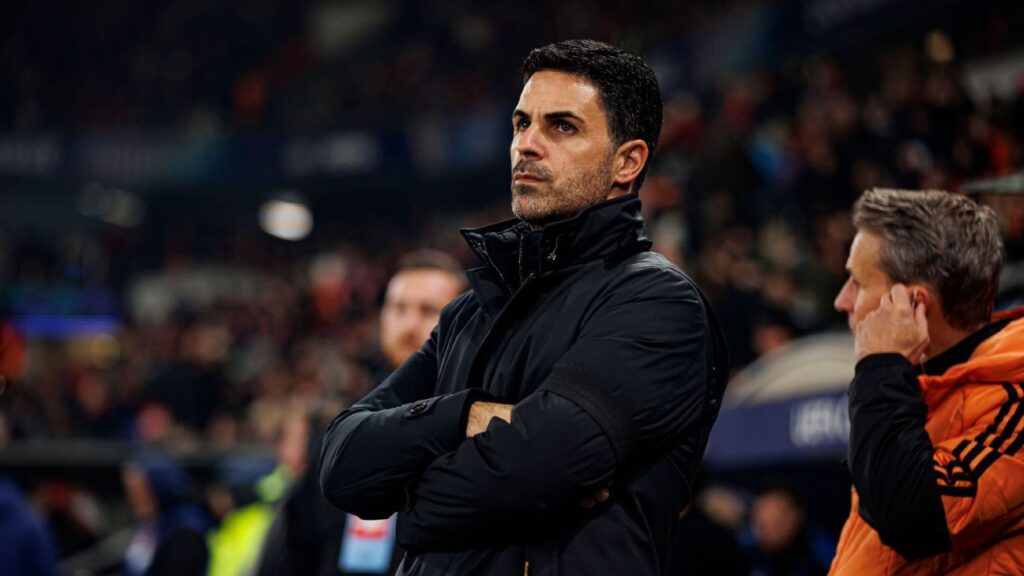
Season context and the Prague challenge
Mikel Arteta entered his fourth full season at the helm of Arsenal with a clear aim: to re‑establish the Gunners as a regular fixture in the latter stages of Europe’s premier club competition. After a sluggish start in the Premier League, the team found a rhythm that carried them into the Champions League group stage, where they were drawn with the Czech side Slavia Prague, a club known for its disciplined defence and occasional upsets.
The group also includes Bayern Munich and Atletico Madrid, meaning Arsenal must collect points consistently if they hope to finish in the top two. Early fixtures saw Arsenal stumble against the Spanish giants, leaving them with a fragile points tally that amplified the importance of every subsequent match. Fans and pundits alike warned that any slip‑up could see the London club relegated to the Europa League, a scenario Arteta is eager to avoid.
Beyond the points table, the Prague encounter represented a test of Arteta’s tactical flexibility. The Gunners have traditionally relied on a high‑pressing, possession‑based system, but opponents in the Champions League often force a more pragmatic approach. The Czech capital therefore became a laboratory for the manager to experiment without the immediate pressure of a domestic derby.
A nervy victory in the Czech capital
The match unfolded at the Eden Arena under a cloudy sky, with Slavia Prague taking the initiative early on. Arsenal’s back line, still adjusting to a new centre‑back partnership, conceded a free‑kick that found the net within the opening ten minutes, putting the visitors on the back foot. Arteta’s side responded by tightening the midfield, with Thomas Partey orchestrating a more compact shape that limited the Czech side’s space.
Bukayo Saka, the England winger of Nigerian descent, restored parity in the 23rd minute, curling a low shot from the edge of the box past the Slavia goalkeeper. The goal sparked a surge of confidence among the Gunners, who began to dominate possession and create several half‑chances, though they were unable to convert them before halftime.
The decisive moment arrived in the 68th minute when Gabriel Martinelli, after a quick one‑two with Martin Ødegaard, slotted a precise finish to make it 2‑1. Slavia pressed for an equaliser in the dying minutes, but Arsenal’s defensive unit held firm, securing a narrow but vital three points that lifted the club to seven points in the group.
Why the win matters for Arsenal’s European ambitions
Beyond the immediate points gain, the victory signals a turning point in Arteta’s quest to blend attacking flair with defensive solidity. The Gunners displayed an ability to absorb early pressure, reorganise, and still produce decisive moments—a quality that has been missing in several domestic fixtures this season. Analysts note that this resilience could be the differentiator when facing heavyweight opponents later in the tournament.
Financially, every win in the Champions League contributes to a substantial revenue stream, from prize money to increased broadcasting fees. For a club that has been investing heavily in its squad, the added cash can offset the high wages of recent signings and fund future acquisitions, especially in positions where depth remains a concern, such as central defence and midfield creativity.
From a morale standpoint, the triumph offers a psychological boost ahead of a congested fixture list that includes a crucial Premier League clash with Liverpool. Arteta himself admitted after the game that the team "made life hard for themselves" but also highlighted the learning curve, suggesting that the experience will inform training sessions focused on set‑piece organisation and transitional defence.
African ties: Saka’s heritage and the continent’s viewership
Bukayo Saka’s involvement in the match carries weight far beyond the 90 minutes on the pitch. As the son of Nigerian immigrants, Saka is a cultural bridge between the Premier League and a rapidly growing African fan base. His goal in Prague was broadcast to millions across Nigeria, Ghana, and the diaspora in the UK and United States, reinforcing Arsenal’s brand as a club that nurtures talent with African roots.
The Champions League’s expanding digital rights deals have made it easier for African broadcasters to stream live matches, and Arsenal’s performance directly influences viewership numbers that drive advertising revenue. A win against a lesser‑known side like Slavia Prague still registers as a high‑profile event for African audiences who follow the competition closely, especially when a player of Nigerian lineage is on the scoresheet.
Moreover, the result could have a subtle impact on future transfer strategies. Clubs with strong African scouting networks, such as Arsenal, often leverage successful continental exposure to attract young prospects from the continent. Demonstrating that the club can compete on Europe’s biggest stage may persuade emerging talents and their representatives to view Arsenal as a viable destination for career development.
What’s next: tactical tweaks and transfer implications
Looking ahead, Arteta faces a dual challenge: fine‑tuning the team’s defensive cohesion while preserving the attacking instincts that produced the Prague goals. Sources close to the training ground suggest that the manager will allocate extra time to rehearsing set‑piece defending, an area that proved vulnerable against Slavia’s early free‑kick. In midfield, the balance between Partey’s defensive duties and Ødegaard’s creative freedom will be a focal point in upcoming sessions.
The transfer window looms large, and the Champions League performance could shape Arsenal’s priorities. A reinforced back line, potentially involving a seasoned African centre‑back like Kalidou Koulibaly, would address the frailties exposed in Prague. Simultaneously, the club may explore signing a versatile winger from the African continent, capitalising on the market’s depth and the brand’s appeal among African supporters.
Finally, the group stage still holds two matches—an away game at Bayern Munich and a home fixture against Atletico Madrid. Securing a top‑two finish will require Arsenal to translate the lessons from Prague into consistent performances against these elite opponents. If they manage to do so, the Gunners could not only extend their European run but also solidify a narrative of growth that resonates with fans across England, Africa, and the global diaspora.
Quick Answers
What was the final score of Arsenal vs Slavia Prague in the 2026 Champions League?
Arsenal edged Slavia Prague 2-1 in the group‑stage match in Prague.
How does the result affect Arsenal’s chances of advancing from the group?
The win lifts Arsenal to 7 points, keeping them in contention for a top‑two finish and a knockout‑stage spot.
Which Arsenal player of African descent scored in the match?
Bukayo Saka, whose parents are Nigerian, scored the opening goal.
Source: www.espn.com



💬 Comments 0