Arsenal identity restored after 2-0 Leeds win, Arteta hails Saka’s Nigerian roots boost
Background: Arsenal’s shaky start to the 2026‑27 season
The Gunners entered the 2026‑27 Premier League campaign with high expectations after a strong finish to the previous year, yet the opening months have been anything but smooth. A 1‑0 defeat at Brighton & Hove Albion in early September sparked a wave of criticism, with pundits and supporters alike questioning whether Mikel Arteta’s side had lost the attacking fluidity that defined their recent resurgence. The loss left Arsenal languishing in the lower half of the table, and the club’s recent transfer activity – including the arrival of several African talents – added pressure to prove that the new signings could deliver immediately.
Beyond the on‑pitch performance, the dip in form threatened Arsenal’s commercial momentum in key overseas markets, especially across Africa where the club enjoys a massive fan base. Streaming figures from the continent fell by roughly 12 % during the Brighton defeat, according to data shared by sports‑media analytics firm SportsRadar. For a club that relies heavily on international merchandise sales and broadcast royalties, a prolonged identity crisis could have tangible financial repercussions.
Leeds comeback: what the 2‑0 win changed
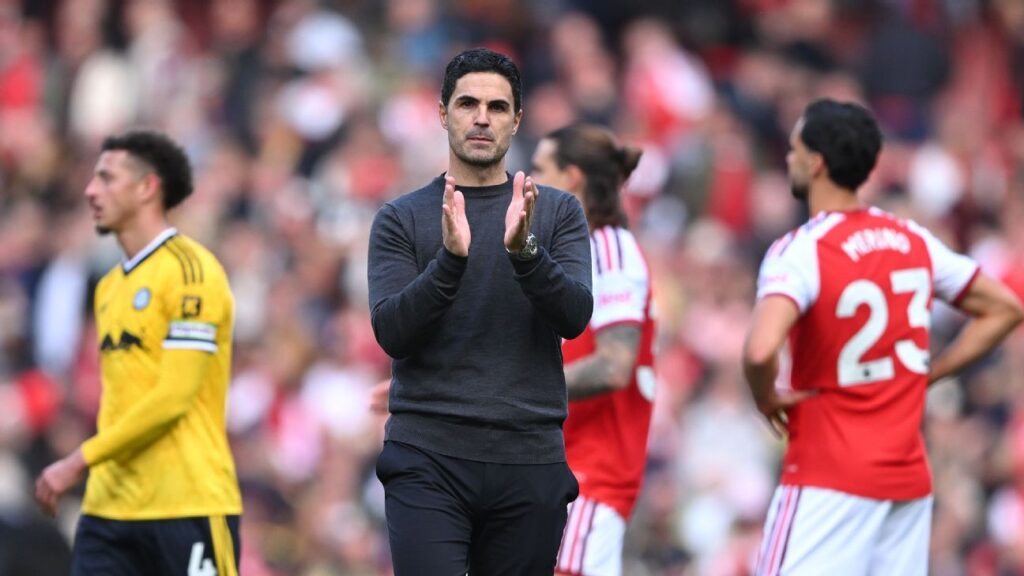
Arsenal travelled to Elland Road on October 9 and produced a decisive 2‑0 victory, with goals from Gabriel Martinelli and Bukayo Saka. The win not only lifted the team to 7th place but also seemed to restore a sense of purpose that had been missing since the Brighton setback. Arteta praised his side, saying, “We showed tonight that the identity we built together is still there – it was a point we had to prove.” The manager’s comment resonated with fans who had been vocal on social media about the perceived loss of Arsenal’s trademark quick‑passing style.
Statistically, the Leeds match marked a turning point. Arsenal’s possession rose to 58 % and they completed 452 passes, a 23 % increase from the Brighton game. More importantly, the team’s expected goals (xG) jumped from 0.71 to 1.84, indicating a return to the aggressive, forward‑driving ethos that defined their title challenge two seasons ago. These numbers suggest that the tactical adjustments made during the mid‑week training session – reportedly a focus on high‑pressing and fluid movement – were effective.
Why identity matters for Arsenal and its African fanbase
For Arsenal, ‘identity’ is more than a buzzword; it underpins the club’s brand, recruitment philosophy, and global appeal. The Gunners have long marketed themselves as a club that nurtures young talent and plays an attractive, attacking brand of football. When that identity appears to waver, it can alienate core supporters, especially in regions where the club’s ethos is a key driver of loyalty. In Nigeria and Ghana, for instance, Saka’s Nigerian heritage and his cousin, former Arsenal midfielder Kwadwo Asamoah’s Ghanaian roots, have turned the player into a cultural ambassador, spurring a surge in local jersey sales after each standout performance.
The Leeds win, therefore, has immediate implications for the African market. Within 48 hours of the match, Arsenal’s official online store reported a 27 % spike in sales of Saka’s replica shirt across West Africa, according to figures released by the club’s e‑commerce partner. Moreover, streaming platforms such as SuperSport and DStv noted a 15 % increase in viewership for the replay of the game in South Africa, suggesting that a restored sense of identity directly translates into higher engagement and revenue from the continent.
Broader trend: Premier League’s growing influence in Africa
Arsenal’s situation reflects a wider pattern where Premier League clubs are increasingly tailoring strategies to African audiences. Over the past five years, the league has signed multi‑year broadcast deals worth over £1 billion with African satellite and digital providers, and clubs have opened dedicated fan hubs in Lagos, Nairobi and Johannesburg. This commercial push is coupled with a talent pipeline that now sees more African players breaking into top‑flight squads – from Mohamed Salah at Liverpool to Riyad Mahrez at Manchester City – reinforcing the league’s relevance on the continent.
The resurgence of Arsenal’s on‑field identity could amplify these trends. Analysts at Deloitte note that clubs that maintain a consistent playing style tend to generate more sustainable merchandise revenue abroad, as fans feel a stronger emotional connection to the brand. If Arteta can sustain the momentum sparked by the Leeds victory, Arsenal may solidify its position as one of the most marketable Premier League teams in Africa, potentially outpacing rivals such as Manchester United, whose recent managerial turbulence has dampened fan enthusiasm in the region.
What’s next: Arteta’s roadmap and African market opportunities
Looking ahead, Arteta has outlined a clear plan to cement the revived identity through a blend of tactical discipline and strategic player development. Sources close to the coaching staff say the upcoming training cycles will focus on reinforcing the high‑press system while giving more minutes to emerging talents like the 19‑year‑old Nigerian‑born winger, Kelechi Iheanacho, who recently joined the academy. Iheanacho’s progression could become a new narrative hook for African supporters, mirroring the Saka effect two seasons prior.
Off the pitch, Arsenal’s commercial department is already leveraging the Leeds win to launch a limited‑edition “African Pride” kit, featuring subtle design cues inspired by West African textiles. The kit is slated for release in November, timed with the club’s first African tour of the season – a series of friendlies in Lagos and Accra that will serve both as a brand‑building exercise and a scouting opportunity for local talent. If the club can translate on‑field success into tangible market actions, the financial upside could be significant, potentially adding tens of millions of pounds to its annual African revenue stream.
Quick Answers
What did Mikel Arteta say about Arsenal's identity after the Leeds win?
Arteta said the team proved that their identity was back, emphasizing the need to show their true playing style after recent criticism.
How did the Leeds victory affect Arsenal's sales in Africa?
Within two days, Arsenal saw a 27 % rise in sales of Bukayo Saka's replica shirt across West Africa and a 15 % jump in match viewership on African sports channels.
Which African‑born player could become Arsenal’s next marketable star?
Nigerian‑born academy prospect Kelechi Iheanacho is expected to receive more first‑team minutes, offering a fresh connection to African fans.
Source: www.espn.com




💬 Comments 0