Arsenal Women’s Super League title drought: How squad depth could help or hinder their 2026 campaign
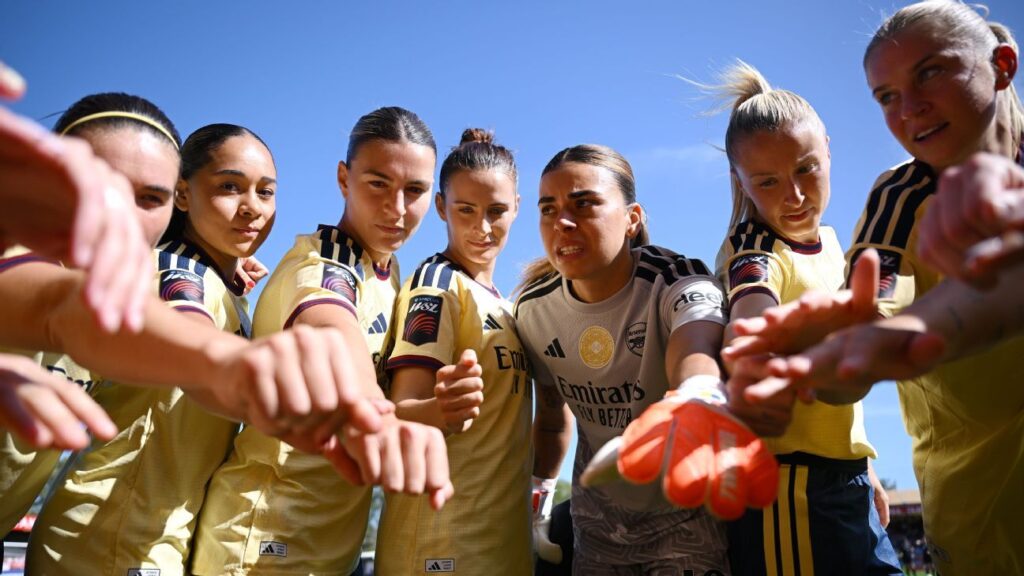
A seven‑year wait for silverware
Arsenal Women entered the 2026 season still searching for their first Women's Super League (WSL) crown since the 2018‑19 campaign. The club’s record of 15 league titles is unmatched, yet a seven‑year gap has turned the Gunners into the league’s most talked‑about underachievers.
The drought has been highlighted by a series of near‑misses: a runners‑up finish in 2021‑22, a dramatic loss in the 2023 FA Cup final, and a string of close‑fought matches that slipped away in the final minutes. These disappointments have intensified scrutiny on manager Jonas Eidevall’s tactics and the squad’s composition.
Squad depth: a blessing or a curse?
Arsenal’s roster this season is arguably the deepest in the league, with quality options in every position. The club boasts twelve internationals, a mix of seasoned veterans and emerging talents, allowing Eidevall to rotate players without a noticeable drop in quality.
However, depth can also breed uncertainty. With many players fighting for the same starting spot, consistency in line‑ups becomes harder to achieve. Frequent changes can disrupt on‑field chemistry, a factor that opponents have exploited in the past by targeting moments when the Gunners field less‑experienced line‑ups.
The coaching staff has tried to mitigate this by establishing a clear hierarchy for each role, but the fine line between healthy competition and a lack of cohesion remains a tactical puzzle.
African talent and Arsenal’s growing pipeline
Arsenal’s scouting network in West Africa has begun to bear fruit, with several academy graduates from Nigeria and Ghana now training with the senior squad. These players, many of whom have represented their countries at youth levels, bring a blend of physicality and technical flair that complements the Gunners’ possession‑based style.
The presence of African players matters beyond the pitch. Their success can inspire a new generation of girls across the continent, encouraging clubs and national federations to invest more in women’s grassroots programmes. Moreover, the visibility of African talent in a high‑profile club like Arsenal can attract sponsorship deals that target the rapidly expanding African sports market.
While the immediate impact of these youngsters on the title race is still uncertain, their integration signals a strategic shift: Arsenal are not only looking for immediate results but also building a pipeline that could sustain the club’s dominance for years to come.
Why the drought matters for the WSL and its fans
Arsenal’s title slump has broader implications for the league’s competitive balance. As the most decorated club, their prolonged absence from the top spot has opened the door for rivals like Chelsea, Manchester City and Manchester United to claim the spotlight, making the league more unpredictable and, arguably, more entertaining for neutral viewers.
For Arsenal supporters, the drought has been a source of frustration and anxiety. Ticket sales at the Emirates Stadium for women’s fixtures have dipped slightly compared to the pre‑drought era, according to a club report released in July. The club’s marketing team is now betting on narrative‑driven campaigns that highlight the squad’s depth and the fresh faces emerging from the academy to rekindle fan enthusiasm.
From a commercial perspective, a prolonged title absence can affect broadcasting negotiations. Broadcasters value marquee clubs that consistently contest for championships, and a resurgence could strengthen Arsenal’s bargaining power in future media rights deals.
What lies ahead: scenarios for the rest of the season
If Arsenal can lock down a settled core while still utilising their bench strength, they stand a realistic chance of clinching the title in the final weeks. The key will be managing player fatigue, especially during the congested fixture list that includes the Champions League and domestic cup commitments.
Conversely, should injuries or loss of form hit the regular starters, the club’s depth could become a double‑edged sword: rotation would be forced, but the lack of a clear, consistent eleven might erode the tactical sharpness needed to win tight matches.
A third, more nuanced scenario involves Arsenal using the season as a transitional platform. By giving younger African and home‑grown players meaningful minutes, the club could sacrifice short‑term silverware in favour of long‑term stability, positioning themselves as the benchmark for talent development in European women’s football.
Quick Answers
When was the last time Arsenal Women won the WSL?
Arsenal Women last captured the Women's Super League title in the 2018‑19 season.
Which African players are currently in Arsenal’s women’s squad?
Arsenal’s senior squad includes academy graduates from Nigeria and Ghana who have featured in recent matchday line‑ups, reflecting the club’s growing recruitment focus on West Africa.
How could Arsenal’s squad depth affect their title chances this season?
Depth gives the manager flexibility to rotate and cover injuries, but excessive changes can disrupt cohesion, making consistency a critical factor in their title bid.
Source: www.espn.com




💬 Comments 0