Arsenal’s 2-0 win at Liverpool propels them top of PL 2026, Saka shines, Carrick future, Milan derby drama
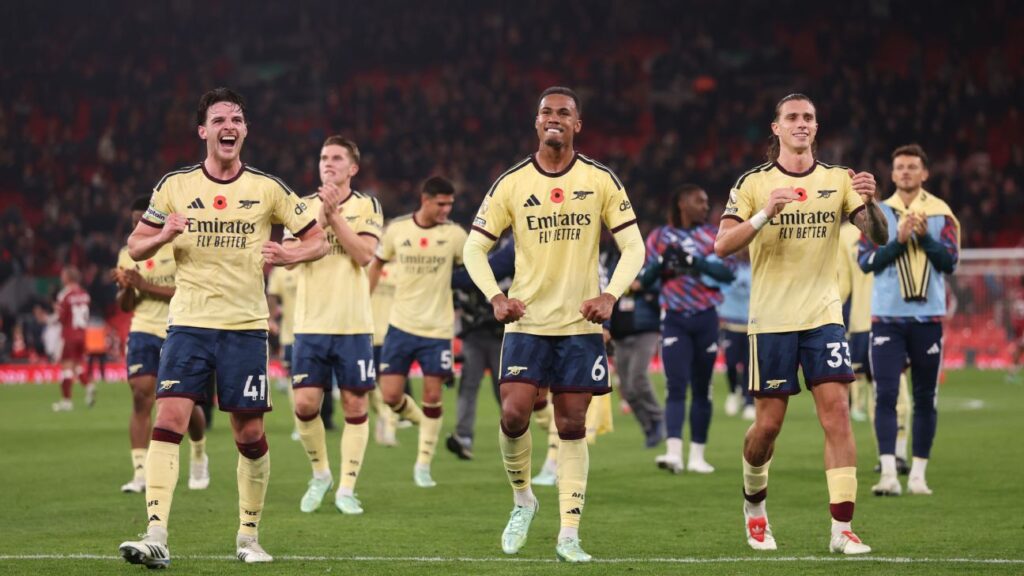
Arsenal break Liverpool's fortress and seize the league lead
On Saturday night Arsenal travelled to Anfield and delivered a 2-0 victory that lifted them clear at the top of the Premier League. Bukayo Saka, whose Nigerian heritage makes him a hero for many African fans, opened the scoring with a low drive from the edge of the box, while Gabriel Martinelli added a second before the hour mark. The win marked Arsenal’s first triumph at Liverpool since 2019 and gave them a six‑point cushion over the chasing pack.
The result is more than a three‑points haul; it signals a shift in the balance of power that has been brewing since Mikel Arteta’s tactical overhaul. Arsenal now sit on 58 points after 24 games, a tally that eclipses Liverpool’s 52 despite the Reds’ superior goal difference. The margin gives Arteta breathing room to rotate his squad for upcoming cup fixtures without fearing a slip‑up in the league.
For African supporters, the match carried symbolic weight. Saka’s goal was celebrated across Nigerian social media, where hashtags linking his name to “Nigerian pride” trended alongside Arsenal’s official accounts. The performance also reinforced the growing influence of African‑born or descended players in shaping the fortunes of Europe’s biggest clubs.
Liverpool’s missed penalty and the wider title chase
Liverpool thought they could salvage a point when Mohamed Salah was brought down in the box, but referee Michael Oliver waved away what many pundits described as a clear penalty. The decision sparked immediate protest from Jurgen Klopp’s side and prompted a flurry of debate on social media, with African fans pointing out that Salah’s missed chance could have cost the team the league crown.
The missed penalty highlights a broader trend in the Premier League where fine margins decide title races. Liverpool’s inability to convert high‑pressure moments has been a recurring theme this season, and the Anfield disappointment may force Klopp to rethink his approach to set‑piece defending. For African players like Salah, the scrutiny is amplified because they often become the face of the league in the continent.
From a commercial perspective, Liverpool’s failure to secure a win could affect the club’s African market engagement. The club’s partnership with Egyptian telecom giant Vodafone Egypt and its growing fan base in Kenya rely heavily on on‑field success to drive merchandise sales and viewership. A prolonged slump could see sponsors renegotiate terms, influencing the financial ecosystem that supports African football development programs funded by Premier League clubs.
Michael Carrick’s uncertain future and the coaching pipeline
While the Premier League drama unfolded, Manchester United’s former captain Michael Carrick was linked with a potential move to a senior coaching role, either at United or elsewhere. Sources say United are evaluating whether to keep Carrick as part of the backroom staff or allow him to pursue a head‑coach position at a smaller club, a decision that could set a precedent for ex‑players transitioning to management.
The Carrick saga reflects a larger conversation about representation in coaching across Europe. African coaches have historically struggled to break into top‑flight managerial jobs, despite a growing pool of former African internationals now holding UEFA licences. If United opt to promote Carrick, it may reinforce the perception that clubs favour former players over diverse coaching talent, a narrative that African football federations are keen to challenge.
Nevertheless, the situation also opens a window for African coaches to showcase their credentials. The English FA’s recent “Coaching Pathways” initiative, launched in 2025, offers scholarships to coaches from Africa, Asia and the Caribbean. Carrick’s next move could either highlight the need for more inclusive hiring practices or, if he succeeds, serve as a case study for how former players can transition smoothly—an insight that African coaching academies can leverage.
Milan derby drama signals a new era in Serie A
In Italy, the Derby della Madonnina between AC Milan and Inter Milan delivered a roller‑coaster finish, with the Rossoneri coming back from two goals down to draw 2-2. The match underscored the competitive balance that Serie A has regained after years of Juventus dominance. Analysts note that the influx of foreign talent, including a growing number of African players, has revitalised the league’s tactical diversity.
African representation in Serie A is on the rise, with players such as Mohamed Salah’s former teammate, Egyptian forward Mohamed Elneny, now on loan at a mid‑table side, and Ghanaian midfielder Thomas Partey’s cousin, who recently signed for a Serie B club. Their performances attract viewership from across the continent, prompting broadcasters like Sky Sport Italia to negotiate rights packages that include African‑focused highlights and commentary.
The derby’s outcome also has financial implications for clubs with African sponsorships. Both Milan clubs have recently secured deals with African banking groups, and a high‑profile match that captures continental attention can translate into higher activation budgets. For African fans, the drama offers a tangible connection to European football, encouraging them to follow Serie A alongside the Premier League.
What the weekend means for African football and the diaspora
The combined narratives of Arsenal’s ascendancy, Liverpool’s missed opportunity, Carrick’s coaching crossroads, and the Milan derby illustrate a shifting football ecosystem where African talent and markets are increasingly central. Clubs are now tailoring their social‑media strategies to engage African audiences, using player‑driven content to boost merchandise sales and streaming numbers.
For the African diaspora in the UK and Europe, these developments affect community identity and economic activity. Arsenal’s success, powered in part by Saka’s heritage, has sparked pop‑up events in London’s Nigerian neighborhoods, where local businesses report a surge in jersey sales and food‑court traffic on match days. Similarly, Liverpool’s disappointment has prompted discussions about the club’s outreach programmes in Lagos, where Salah’s charity work remains a key touchpoint.
Looking ahead, the ripple effects may influence talent pipelines. Young African prospects watching Saka and Partey thrive at Arsenal are more likely to envision a path to Europe that bypasses traditional academies in favour of direct scouting deals. Meanwhile, the coaching debate surrounding Carrick could inspire African federations to lobby for greater inclusion of African coaches in elite European clubs, a move that would enrich the tactical dialogue and provide role models for the next generation.
Quick Answers
How did Arsenal's win at Liverpool affect the Premier League table?
Arsenal moved to 58 points, six ahead of Liverpool's 52, taking sole possession of first place.
Did Mohamed Salah miss a penalty at Anfield?
Yes, the referee ruled no penalty after Salah was brought down, a decision widely debated.
What is Michael Carrick's potential new role?
He is being considered for a senior coaching position, either staying at Manchester United or moving to a head‑coach job elsewhere.
Source: www.espn.com



💬 Comments 0