Australian MP Helen Haines attacked in Victoria 2026, suspect charged; father claims family friendship
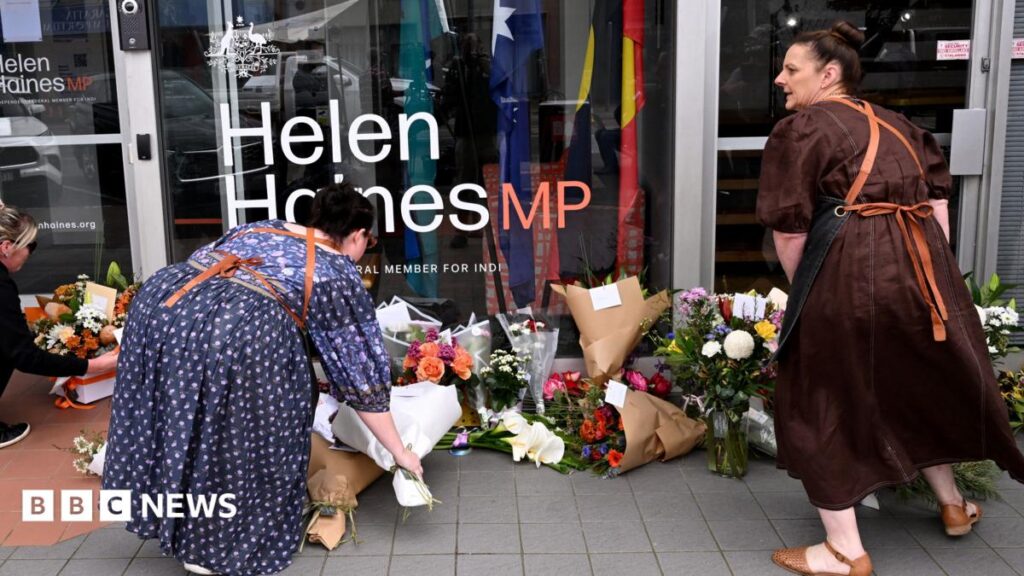
Background: Who is Helen Haines and what led to the incident?
Helen Haines, an independent member of the Australian House of Representatives for the regional seat of Indi in Victoria, has been a vocal advocate for mental‑health reform and rural health services since winning the seat in 2019. Her reputation for cross‑party collaboration made her a frequent speaker at community events, school assemblies and local council meetings across the north‑east of the state. Over the past two decades she has cultivated deep personal ties with many families in the area, a fact that now features in the defence narrative of the alleged attacker.
On the morning of 18 October 2026, Haines was leaving a constituency‑office open‑day in the town of Benalla when a man approached her and struck her with a metal object. Emergency services arrived within minutes, and the MP was rushed to a nearby hospital in critical condition. Police later confirmed that the attacker, identified as 28‑year‑old Brendan Nugent, fled the scene but was apprehended later that day after a brief pursuit through the town’s main street.
The incident shocked a nation that, despite occasional protests and heated parliamentary debates, has rarely seen physical violence directed at sitting members of parliament. The last comparable attack on a federal MP occurred in 2018, when a disgruntled constituent attempted to stab a Queensland senator. Haines’ case therefore re‑ignites concerns about the security protocols surrounding elected officials, especially those who maintain a high public profile in regional communities.
The legal response: charges, bail and the father’s claim
Brendan Nugent was formally charged on 19 October with attempted grievous bodily harm and assault with a dangerous weapon. The magistrate denied his bail application, citing the seriousness of the offence and the risk of further community alarm. Nugent’s legal team has filed a request for a psychological assessment, arguing that his mental state at the time of the attack should be taken into account during sentencing.
In a brief press conference on 20 October, Nugent’s father, Michael Nugent, told reporters that his son and Haines have known each other for more than 20 years, describing the MP as a “family friend”. He suggested that the assault may have been a spontaneous outburst rather than a pre‑meditated act, and urged the public not to rush to judgment. While the claim adds a personal dimension to the story, police have not indicated that a prior relationship changes the nature of the charges.
Legal analysts note that the father’s statement is unlikely to affect the prosecution’s case, as Australian law treats the act itself as the primary element of the crime. However, the familial connection may influence sentencing considerations, especially if a mental‑health defence is later advanced. The courts will also have to weigh the broader public interest in deterring attacks on elected officials.
Why the attack matters for Australian politics and public safety
The assault on Haines arrives at a time when Australian politics is grappling with heightened polarization over climate policy, indigenous rights and the nation’s immigration framework. While most parliamentary debates remain civil, a growing number of fringe groups have taken to social media to harass and threaten politicians who deviate from their ideological lines. Security experts warn that such online vitriol can spill over into physical violence, especially in regional areas where police resources are stretched thin.
In response, the Department of Home Affairs has announced a review of security measures for MPs who travel frequently to remote constituencies. Proposals include mandatory risk assessments for all public engagements, increased funding for personal protection officers, and a centralized incident‑reporting platform that will allow quick coordination between local police and parliamentary security staff.
The incident also raises questions about how political parties and independents manage community outreach. Haines, as an independent, often relied on informal meet‑and‑greets to build trust, a practice that may now be reconsidered in favour of more controlled settings. The balance between accessibility and safety is likely to become a central theme in upcoming discussions about parliamentary reforms.
Reactions from the community, media and diaspora networks
Local residents in Benalla expressed a mixture of shock and solidarity. A candle‑light vigil held outside the hospital on 21 October attracted over 300 participants, many of whom carried signs reading “Heal Helen” and “No more violence”. Community leaders called for a “zero‑tolerance” approach to any future threats, urging both political figures and citizens to work together on preventive measures.
National media outlets have framed the story as a test of Australia’s democratic resilience. The Australian Broadcasting Corporation ran a special segment analysing past attacks on politicians worldwide, highlighting the rarity of such events in the country but noting that the trend is rising in other democracies. Commentators have also pointed out that Haines’ advocacy for mental‑health services may now intersect with her own experience of trauma, potentially shaping future policy debates.
Among the African diaspora in Australia, the incident sparked particular concern. Several Nigerian‑Australian community organisations issued statements emphasizing that political violence threatens all minority representatives, regardless of their background. They urged the government to protect not only high‑profile politicians but also emerging leaders from multicultural communities who often face additional scrutiny and hostility.
What comes next: investigations, possible reforms and the road to recovery
The police investigation into the attack remains ongoing, with detectives reviewing CCTV footage, social‑media activity and any prior complaints lodged against Nugent. Prosecutors have indicated that they will seek a custodial sentence if the case proceeds to trial, while also signalling a willingness to consider mental‑health interventions if appropriate evidence is presented.
Parliamentary leaders, including Prime Minister Anthony Albanese, have pledged to strengthen security protocols. A bipartisan task force, chaired by former Justice Minister Michaelia Cash, is slated to deliver a report by early 2027 outlining recommendations for safeguarding MPs, especially those serving remote electorates. The task force will also explore funding models for community‑based safety initiatives, recognizing that local cooperation is essential for effective protection.
For Helen Haines, the immediate priority is recovery. Her medical team has indicated that, while her condition is critical, there are signs of stabilisation. Colleagues in parliament have already arranged for a temporary replacement to handle her constituency work, ensuring that essential services for the people of Indi are not disrupted. Haines’ own statements, released through her office, expressed gratitude for the outpouring of support and reaffirmed her commitment to return to public service once she is medically cleared.
Quick Answers
What charges does Brendan Nugent face for the attack on MP Helen Haines?
He has been charged with attempted grievous bodily harm and assault with a dangerous weapon.
How has the Australian government responded to the assault on Helen Haines?
The government has launched a review of MP security protocols and announced a bipartisan task force to recommend reforms.
Did the attacker know Helen Haines before the incident?
According to the attacker’s father, Brendan Nugent and Helen Haines have known each other for over 20 years as family friends.
Source: www.bbc.co.uk




💬 Comments 0