Barbara Bonansea joins San Diego Wave on loan from Juventus until June 2027 – what it means for NWSL and African women’s football
Background: A star striker heads to the US
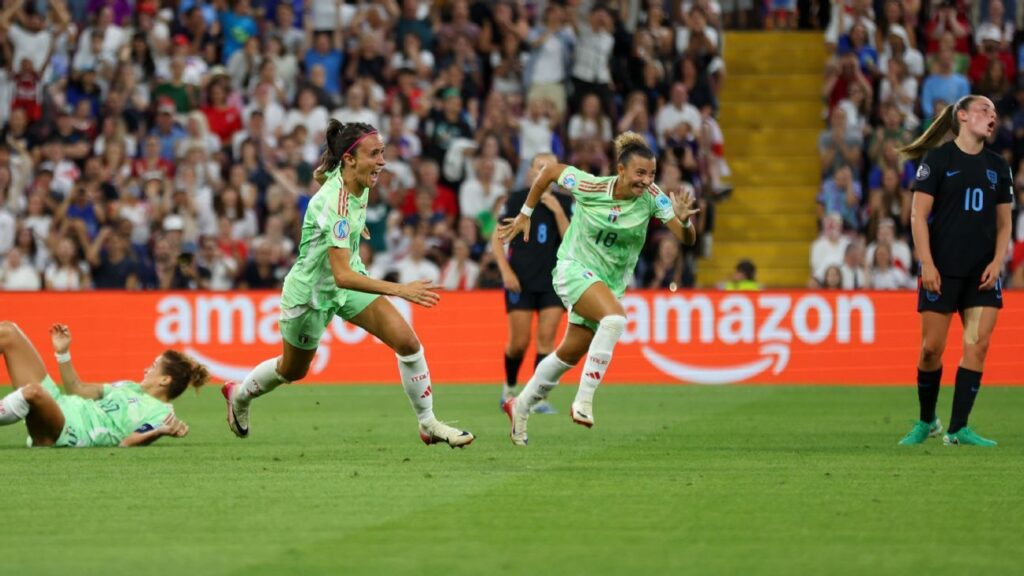
Italian forward Barbara Bonansea, a two‑time Serie A champion with Juventus Women, signed a loan deal that will keep her in San Diego until June 2027. The agreement was announced on Friday by both Juventus and San Diego Wave FC, marking one of the longest loan spells for a European player in the National Women’s Soccer League (NWSL). Bonansea, 31, has earned more than 100 caps for Italy and is renowned for her pace, work rate and knack for scoring crucial goals.
The move comes at a time when the NWSL is actively courting top talent from Europe to raise its competitive profile. In the past three seasons, the league has welcomed players such as Sam Kerr, Vivianne Miedema and Alex Morgan’s former teammate, England’s Bethany England. San Diego Wave, a club only two seasons old, already boasts a roster that mixes home‑grown American stars with experienced internationals, and the addition of Bonansea is intended to cement its status as a title contender.
For Juventus, loaning Bonansea serves a dual purpose. The club can free up a senior wage slot while still retaining the player’s registration, and it gives the Italian forward a fresh challenge in a different tactical environment. Juventus’s women’s side has been building a pipeline of talent through loan deals, a strategy that mirrors the men’s team’s approach to player development.
Why the loan matters for the NWSL’s growth
Bonansea’s arrival is a signal that the NWSL is now a viable destination for elite European talent, not just a stepping‑stone for South American or African players. The league’s salary cap, which was raised for the 2024 season, combined with increasing broadcast deals in the United States and Europe, makes it financially attractive for players in the prime of their careers. According to a report by ESPN, the NWSL’s viewership grew by 45 % in the 2023 season, a trend that clubs hope to sustain by adding recognizable faces like Bonansea.
The loan also underscores a shift in how clubs view player contracts. Rather than a permanent transfer, a multi‑year loan allows both parties to test the fit without long‑term commitment. This flexibility could encourage more high‑profile Europeans to consider a stint in the United States, especially if they seek regular playing time that might be limited in crowded squads at home.
From a commercial perspective, San Diego’s market is attractive to sponsors targeting both the Hispanic community and the sizable African diaspora in Southern California. By adding a European star, the Wave can broaden its appeal to a more international fan base, potentially unlocking new revenue streams through merchandise sales and cross‑border partnerships.
The African angle: NWSL as a launchpad for African talent
While Bonansea herself is not African, her move highlights a pathway that many African women footballers are already using. The NWSL has become a preferred destination for players from Nigeria, Ghana, South Africa and Cameroon, who see the league as a platform to showcase their abilities to European scouts. Players like Nigerian forward Uchenna Kanu (who signed with Racing Louisville in 2022) and South African midfielder Thembi Kgatlana (who joined Racing Louisville in 2021) have demonstrated that success in the NWSL can translate into contracts with top European clubs.
San Diego’s diverse fan base includes a growing community of African immigrants and second‑generation diaspora members. According to the 2020 US Census, over 250,000 people of African descent live in the Greater San Diego region, a figure that has continued to rise. The presence of high‑profile international players can boost attendance among these groups, as they often follow the sport through cultural connections and social media networks that span continents.
Moreover, Juventus’s own scouting network has been expanding into Africa, as reported by The Guardian, with the club signing several promising African prospects for its youth academy in recent years. By loaning a Juventus player to an American club that already fields African talent, the deal indirectly strengthens the ties between European, African and North American women's football ecosystems.
Reactions from clubs, players and fans
San Diego Wave’s general manager, Jill Ellis, said in the club’s official statement that Bonansea “brings a winning mentality and world‑class experience that will elevate our attack and inspire our younger players.” The statement also highlighted the club’s ambition to compete for the NWSL Shield and the championship in 2024 and beyond.
Juventus Women’s head coach, Rita Guarino, described the loan as “a strategic move that benefits the player’s development while keeping her in our long‑term plans.” Guarino added that the experience in the United States will expose Bonansea to a more physical style of play, which could enhance her versatility for the Italian national team.
Fans on social media reacted with a mixture of excitement and curiosity. The hashtag #BonanseaInSanDiego trended on Twitter within hours of the announcement, with many American supporters praising the club’s ambition and African‑American fans noting the potential for cross‑cultural engagement. In a post‑game interview, San Diego Wave forward Alex Morgan remarked that “having a player of Barbara’s caliber pushes everyone to raise their game, and it’s great for the league as a whole.”
What’s next: The broader impact on player movement and the league’s future
The loan runs until June 2027, covering three full NWSL seasons. If Bonansea performs well, she could become a catalyst for more long‑term loans from Europe, especially as clubs seek to balance squad depth with financial prudence. Analysts at Sports Business Journal predict that the NWSL could see a 20 % increase in loan deals over the next five years, a trend that would deepen the league’s global integration.
For African players, the growing visibility of the NWSL may translate into more scouting trips by European clubs to African leagues and tournaments. As the league expands its footprint through streaming platforms like Paramount+ and the newly launched NWSL+ app, African audiences will have easier access to watch players like Bonansea, potentially spurring interest in local women's leagues across the continent.
Finally, the move may influence the upcoming 2027 Women’s World Cup qualification cycle. Italy will look to leverage Bonansea’s US experience to sharpen her match sharpness, while the United States will benefit from a higher level of competition within its domestic league. The ripple effect could be a more competitive international landscape, with African nations positioned to benefit from the heightened global focus on women’s football.
Quick Answers
When does Barbara Bonansea’s loan to San Diego Wave end?
The loan runs through June 2027, covering three full NWSL seasons.
How could Bonansea’s move affect African women’s football?
It highlights the NWSL as a platform for African players to gain exposure and may encourage more scouting links between Africa, Europe and the United States.
Why are European clubs using long‑term loans to the NWSL?
Loans give clubs financial flexibility, allow players to experience a different playing style, and help both parties test fit before committing to a permanent transfer.
Source: www.espn.com




💬 Comments 0