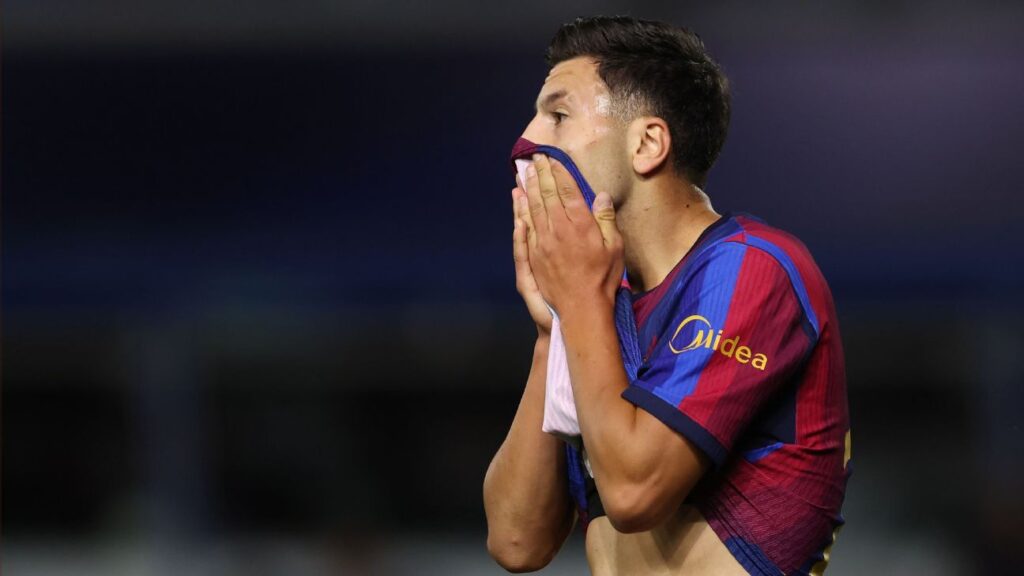
Barcelona forward Roony Bardghji tears ACL, derailing €30m summer move in 2026
Background: Bardghji’s rise and Barcelona’s expectations
Roony Bardghji arrived at Barcelona’s famed La Masia academy in 2020 after impressing with Sweden’s youth sides. The 19‑year‑old quickly earned a reputation for his clinical finishing, composure in tight spaces and a knack for scoring against older opponents, prompting the Catalan giants to fast‑track him into the first‑team training group last season.
By early 2026, Barcelona’s sporting director had positioned Bardghji as a potential replacement for aging forwards such as Robert Lewandowski and Ansu Fati. The club reportedly earmarked a €30 million release clause activation for the summer, a figure that reflected both his market value and Barcelona’s intent to rebuild around home‑grown talent after a turbulent transfer window.
The Swedish‑born striker also carried a symbolic weight for Barcelona’s global branding. His multicultural background resonated with the club’s expanding fan base across Europe, the Middle East and the African diaspora, where young players of mixed heritage are increasingly seen as ambassadors of the Barça identity.
The injury: What happened and immediate fallout
During a routine training session on Tuesday, Bardghji suffered a non‑contact twist that resulted in a complete tear of his anterior cruciate ligament (ACL). Club medical staff confirmed the diagnosis within hours and announced that surgery would be required, effectively ruling him out for the remainder of the season.
Barcelona’s official statement emphasized that the injury was a “setback for a promising talent” but also reassured supporters that the player’s long‑term health remained the priority. The club’s chief medical officer, Dr. Marta Llop, added that modern rehabilitation protocols typically see players return to competitive action after nine to twelve months, provided the recovery goes as planned.
The news immediately halted any ongoing negotiations with potential buying clubs. Sources close to the transfer desk told reporters that several European sides, including a Premier League outfit and a Ligue 1 club, had expressed interest, but all talks were suspended pending a medical assessment that can no longer be performed.
Why it matters for Barcelona’s transfer strategy
Barcelona entered the 2026 summer window with a clear financial blueprint: replace high‑wage veterans with younger, lower‑cost talent while maintaining a competitive squad. Bardghji’s projected €30 million fee fit neatly into that model, offering a blend of sporting promise and resale potential.
The injury forces the Catalan side to revisit its contingency plans. According to a report by Marca, Barcelona may now look to the African market for a cost‑effective forward, a region that has supplied the club with players like Samuel Eto’o in the past and continues to produce prolific strikers in the French Ligue 1 and Belgian Pro League.
Moreover, the loss of Bardghji narrows Barcelona’s bargaining power in the broader transfer market. With fewer high‑profile assets to trade, the club could face inflated prices for alternative targets, potentially stretching its already tight wage structure that has been under scrutiny since the 2023 financial fair‑play review.
Broader implications for African talent pipelines in Europe
Bardghji’s setback highlights a recurring pattern: European giants often pivot to African prospects when domestic options falter. Recent seasons have seen clubs like Liverpool, Manchester City and Juventus invest heavily in scouting networks across West and Central Africa, chasing the next Kylian Mbappé‑type talent at a fraction of the cost of home‑grown stars.
For African footballers, this dynamic creates both opportunity and pressure. On one hand, heightened demand can accelerate pathways to elite clubs, providing exposure and financial uplift for families back home. On the other, it can also lead to rushed signings where clubs prioritize market value over proper development, sometimes resulting in limited playing time and stalled careers.
In the context of Barcelona, the club’s renewed focus on African forwards could benefit nations such as Nigeria, Ghana and Senegal, whose domestic leagues are producing a steady stream of physically robust, technically adept attackers. The recent success of Nigerian striker Victor Osimhen at Napoli, for example, has encouraged top clubs to monitor the Nigerian Premier League more closely, a trend that may now extend to Barcelona’s scouting agenda.
Looking ahead: What Barcelona and the market can expect
In the short term, Barcelona will likely accelerate the rehabilitation plan for Bardghji, aiming for a return in the 2027‑28 season. The club’s medical department has a history of successful ACL recoveries, most notably with players like Ansu Fati, suggesting that the striker’s long‑term prospects remain positive.
Strategically, the Catalan side is expected to lean on its existing youth cohort while scouting for a temporary replacement. Analysts from Sky Sports predict that Barcelona could target a young striker from the South African Premier Division, a league that has seen increased export activity after the 2022 World Cup highlighted its talent pool.
Finally, the incident may reshape the broader European transfer market’s risk calculations. Clubs are now more cautious about committing large sums to unproven youngsters, especially when injury histories are uncertain. This could lead to a modest slowdown in big‑ticket deals and a shift toward performance‑based contracts, a development that benefits both clubs and ambitious African players seeking a fairer entry point into elite football.
Quick Answers
When did Roony Bardghji tear his ACL?
Bardghji suffered the ACL tear during a training session on Tuesday, 6 August 2026.
How will the injury affect Barcelona’s summer transfer plans?
The injury removes a €30 million target from Barcelona’s agenda, likely prompting the club to explore alternative forwards, potentially from the African market.
What is the typical recovery time for an ACL tear in football?
Modern rehabilitation usually sees players return after nine to twelve months, depending on the success of surgery and rehab progress.
Source: www.espn.com


💬 Comments 0