Barcelona Report PSG to UEFA Over Aggressive Champions League Tifo Ahead of 2026 Match
Background: The Tifo Tradition and Recent Tensions
In European football, tifos—large, choreographed displays by supporters—have become a staple of matchday atmosphere. While many are celebratory, some have crossed into political or confrontational territory, prompting UEFA to tighten its regulations. The governing body now requires clubs to submit detailed designs in advance, aiming to prevent content that could incite violence or breach its code of conduct.
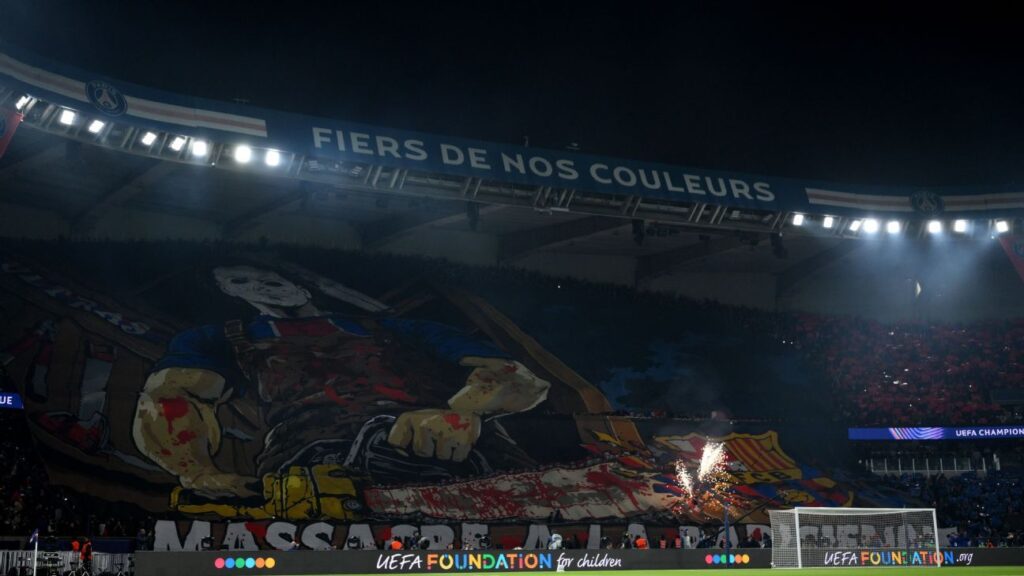
Paris Saint-Germain’s fanbase, known for its passionate and often elaborate visual statements, has previously clashed with UEFA over a 2023 display that referenced the French presidential election. The latest tifo, unfurled before the Champions League clash with Barcelona on October 17, 2026, featured aggressive imagery that Barcelona officials deemed beyond the limits of acceptable fan expression.
What Happened: Barcelona’s Formal Complaint
According to ESPN, Barcelona lodged a formal complaint with UEFA shortly after the match, accusing PSG supporters of presenting an "overly aggressive" tifo that could have provoked unrest among the 70,000 spectators at Camp Nou. The club’s legal department cited specific sections of UEFA’s Disciplinary Regulations, arguing that the display violated Article 16‑2, which bans content that encourages hatred or violence.
The tifo in question depicted a stylised version of the Eiffel Tower engulfed in flames, accompanied by a slogan that read, "Burn the Old Guard." While PSG’s supporters insisted the imagery was a metaphor for breaking football’s traditional hierarchies, Barcelona’s hierarchy argued that the wording and visual cues were deliberately provocative, especially given the heated rivalry between the two clubs.
Why It Matters: Implications for African Fans and Markets
Both clubs have cultivated massive followings across the African continent. PSG’s recent signings of Moroccan full‑back Achraf Hakimi and Ivorian forward Kylian Mbappé (who, while French, has Ivorian heritage) have driven a surge in viewership from North and West Africa. Barcelona, meanwhile, maintains a strong brand presence through its historic tours in South Africa and Nigeria, and its academy has produced several African talents such as Nigerian midfielder William Troost‑Ekong’s son, who is now in La Masia.
A UEFA sanction against PSG could ripple through African sponsorship deals. Qatar‑backed PSG relies heavily on African market partnerships, including a recent three‑year deal with the Nigerian telecom giant MTN. If UEFA imposes fines or bans, advertisers may reconsider their investments, fearing association with a club deemed to have encouraged hostile fan behaviour. Conversely, Barcelona could leverage the episode to reinforce its image as a club that respects fan culture, potentially attracting more African corporate allies.
Broader Pattern: Rising Scrutiny of Fan Displays Across Europe
The Barcelona‑PSG dispute is part of a larger trend where UEFA is increasingly vigilant about tifos that touch on politics, racism, or overt aggression. Recent cases include Juventus’s 2025 “No to Racism” banner that was deemed too political, and Manchester City’s 2024 display referencing Brexit, which resulted in a €50,000 fine. These actions signal a shift toward stricter enforcement, aiming to protect the integrity of the sport while still allowing creative fan expression.
African diaspora communities in Europe have been vocal about how such regulations affect their ability to celebrate cultural identity. In cities like Paris and Barcelona, African‑origin fan groups often incorporate music, dance, and visual motifs from their homelands into tifos. Over‑regulation could inadvertently silence these voices, prompting criticism from civil‑rights organisations that argue UEFA’s policies sometimes lack cultural nuance.
What’s Next: Potential Outcomes and the Road Ahead
UEFA is expected to convene its disciplinary committee within the next two weeks. Possible outcomes range from a formal warning to a monetary penalty of up to €200,000, or even a partial stadium ban for PSG supporters during the next two home matches. Barcelona has indicated it will seek compensation for any reputational damage, though UEFA rarely awards financial redress to clubs.
Regardless of the verdict, the incident will likely influence how clubs manage fan‑generated content. Both PSG and Barcelona have announced internal reviews of their supporter liaison officers (SLOs) to ensure future tifos are vetted more rigorously. For African fans, the key takeaway will be whether these measures create space for culturally rich displays or push them into a more sanitized, less representative format.
Quick Answers
What did Barcelona accuse PSG of in their UEFA complaint?
Barcelona claimed PSG's pre‑match tifo was overly aggressive and violated UEFA rules against content that could incite violence.
How could a UEFA sanction against PSG affect African sponsors?
A sanction may cause African companies, like Nigeria's MTN, to reconsider partnerships due to reputational risk linked to a club penalised for fan misconduct.
When will UEFA decide on the Barcelona‑PSG tifo case?
UEFA is slated to hear the case within two weeks of the complaint, with possible penalties announced shortly thereafter.
Source: www.espn.com




💬 Comments 0