Beau Greaves’ record-breaking win at 2026 Women’s Series in Wigan sparks new hopes for African women’s darts
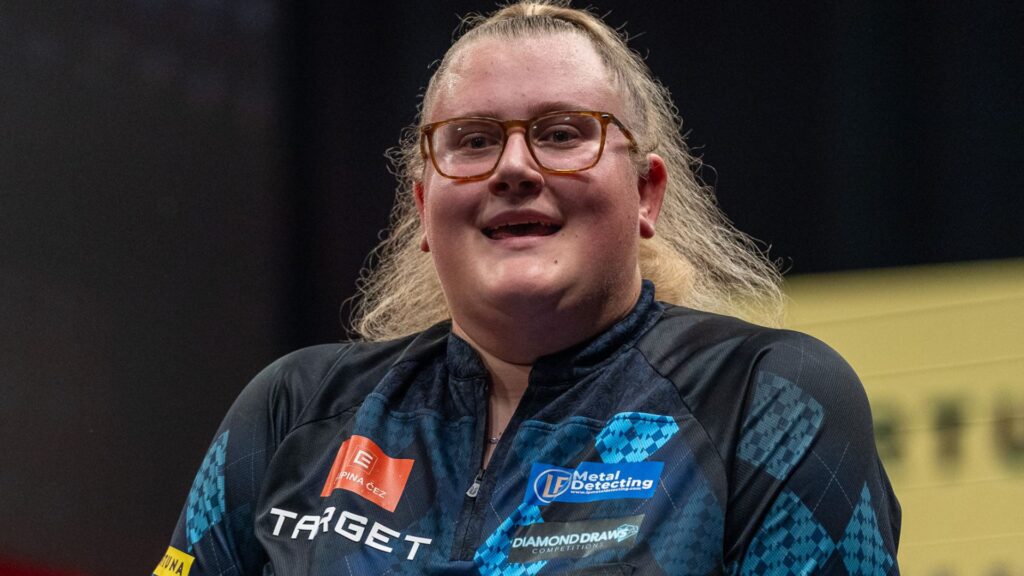
A historic finish to the 2026 PDC Women's Series
England’s Beau Greaves capped the 2026 Professional Darts Corporation (PDC) Women’s Series with an unprecedented run of victories, clinching both Event 23 and Event 24 in Wigan. The 22‑year‑old didn’t just win; she set a new benchmark by securing five consecutive titles, a feat no player – male or female – has achieved in a single season. Her dominance was underlined by an average of 95.2 in the final, a personal best that eclipsed the previous series record by more than three points.
Greaves entered the final weekend as the clear favourite, having already amassed eight titles earlier in the year. Yet the pressure of a potential record added a psychological edge that many expected to falter. Instead, she delivered flawless checkouts and maintained composure under the bright lights of the Morningside Arena, confirming her status as the sport’s rising star.
The back‑to‑back triumphs also secured Greaves a spot in the 2027 PDC World Championship, guaranteeing her a place among the elite men’s field for the first time in the tournament’s history. This qualification not only marks a personal milestone but also signals a shift in how the PDC views its women’s circuit.
Why Greaves’ streak matters beyond the trophy cabinet
Greaves’ record run arrives at a pivotal moment for women’s darts, a discipline that has long struggled for parity in prize money, media coverage and sponsorship. The PDC’s decision in 2022 to double the women’s prize fund was a step forward, but the sport still lags behind more mainstream women’s events. Greaves’ visibility – amplified by live streams on platforms like YouTube and Twitch – is helping to close that gap, drawing new fans and advertisers.
From a commercial perspective, a dominant champion creates a marketable narrative that broadcasters and sponsors can package. In the UK, Greaves has already inked a deal with a sports apparel brand, and her social‑media following has surged past 250,000 followers. This commercial momentum is likely to spill over into other markets, where investors are eyeing untapped audiences.
Most importantly, Greaves’ success provides a tangible role model for aspiring female players worldwide. When a young athlete sees a peer dominate on the world stage, the perceived barrier to entry drops. This psychological impact is especially significant in regions where women’s participation in competitive darts has been minimal.
The growing footprint of darts in Africa
Darts is not a new pastime in Africa; informal leagues have existed for decades in South Africa, Nigeria, Kenya and Ghana. However, the professional circuit has only recently begun to tap into the continent’s potential. In 2024 the PDC launched an African Qualifier series, offering a direct route to the World Championship for the first time. The inaugural event in Johannesburg attracted over 300 entrants, a clear sign of latent demand.
Greaves’ record‑breaking performance is being closely watched by African darts federations. According to a statement from the South African Darts Association, her consistency “demonstrates the level of professionalism that African players must aspire to if we are to compete on the global stage.” The association plans to use her footage in coaching clinics across the continent, hoping to raise technical standards.
Betting markets across Africa, especially in Nigeria and Kenya, have already responded. Online sportsbooks reported a 12 % increase in wagers on women’s darts matches after Greaves’ victories, indicating that African bettors are paying attention. This commercial interest could persuade the PDC to schedule more televised events in time zones convenient for African audiences.
Implications for African women athletes and the diaspora
Beyond the sport itself, Greaves’ triumph resonates with broader gender‑equality movements across the continent. In many African countries, women still face systemic barriers to entering traditionally male‑dominated sports. High‑profile success stories like Greaves can be leveraged by NGOs and government bodies to argue for increased funding for women’s grassroots programs.
The African diaspora, particularly in the UK and the United States, has a sizable following for darts. Community clubs in London’s Nigerian and Ghanaian neighborhoods have organized viewing parties for the Women’s Series, turning Greaves’ matches into social events that celebrate both sport and cultural identity. These gatherings often double as networking opportunities for young entrepreneurs looking to enter the sports‑tech space.
Furthermore, African content creators are beginning to produce localized commentary and analysis of the Women’s Series, filling a gap left by mainstream British media. By translating match highlights into Yoruba, Swahili and Zulu, they make the sport more accessible, potentially inspiring the next generation of African women to pick up a dart.
What’s next for Greaves and the global women’s circuit?
With the 2026 season behind her, Greaves now turns her focus to the 2027 PDC World Championship, where she will compete against the men’s field for the first time. Analysts predict that her experience in high‑pressure finals will be an asset, but the jump in competition level will be steep. Her performance will be a litmus test for how quickly the women’s game can bridge the skill gap.
The PDC has signalled further investment in the women’s tour, announcing a new “Women’s Grand Slam” for 2028 that will feature eight events across three continents, including a stop in Johannesburg. If the African qualifiers continue to produce competitive players, the Johannesburg leg could become a showcase for the continent’s rising talent.
For African stakeholders, the next steps involve securing sponsorships, improving training facilities and lobbying for more televised slots. The momentum generated by Greaves’ record could be the catalyst that transforms darts from a niche hobby into a professional pathway for African women.
Quick Answers
What record did Beau Greaves set in the 2026 Women's Series?
Greaves won five consecutive Women’s Series events, the longest winning streak in PDC history for any player.
How does Beau Greaves’ success affect African darts?
Her high‑profile victories raise the sport’s visibility, encouraging African federations to invest in women’s programs and attracting betting and broadcast interest from the continent.
Will Beau Greaves play in the 2027 PDC World Championship?
Yes, her series win secures her a spot in the 2027 World Championship, where she will compete alongside the men’s field.
Source: www.skysports.com




💬 Comments 0