Brentford call police after rugby ball tossed from stands hits field in 2-1 Liverpool loss, 2026
What happened at the Brentford‑Liverpool clash
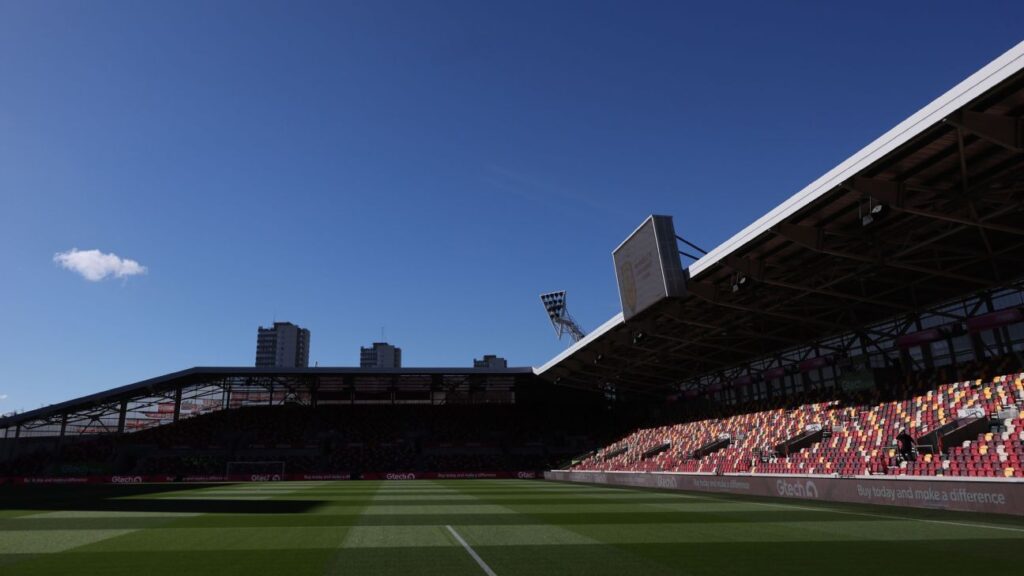
On 19 October 2026, Brentford hosted Liverpool at the Brentford Community Stadium. Midway through the second half, a small, oval object was launched from the upper tier of the stand and landed near the penalty area, prompting an immediate halt to play. Video footage later identified the object as a rugby‑union ball, a stark contrast to the usual footballs that dominate the pitch.
Match officials consulted with stadium security and, after a brief review, allowed the game to resume. Brentford went on to lose 2‑1, but the incident sparked a flurry of social‑media posts, many condemning the stunt as “dangerous” and “potentially very harmful.” The club issued a statement that night confirming it had reported the matter to the Metropolitan Police.
Why stadium safety is back in the spotlight
Incidents involving objects thrown from the crowd are not new, but the use of a hard, high‑velocity rugby ball raises new safety concerns. Unlike a typical fan‑thrown bottle or plastic cup, a rugby ball can travel at speeds exceeding 30 mph when kicked from a height, posing a serious risk of injury to players, officials and other spectators.
The Football Association (FA) has already been tightening its regulations after a series of pitch‑invading episodes in 2023‑24. The Brentford episode adds pressure on the governing body to revisit its guidelines on prohibited items, especially those that can be brought in covertly and used as projectiles.
Fan culture, social media and the rise of risky stunts
The stunt appears to have been recorded and shared on TikTok within minutes, garnering thousands of views. Analysts say the desire for viral moments can encourage fans to take increasingly reckless actions, especially when they perceive a low chance of immediate repercussions.
Stadiums across Europe have been experimenting with facial‑recognition cameras and AI‑driven crowd‑monitoring to spot suspicious behaviour before it escalates. However, critics argue that such technology raises privacy concerns and may not be effective against quick, low‑tech actions like a well‑timed kick from a balcony.
Implications for African diaspora fans and the UK football market
The Premier League draws a massive African and diaspora audience, both in stadiums and via broadcast. Any perception that English clubs cannot guarantee a safe environment could dent attendance among overseas fans who travel for matches, especially those from Nigeria, Ghana and South Africa who already face higher travel costs.
Moreover, African‑owned football merchandise brands, such as Lagos‑based “Kicks & Threads,” rely on the goodwill generated by safe, family‑friendly matchday experiences. A high‑profile safety breach can affect sponsorship negotiations, as brands may hesitate to associate with clubs under scrutiny for crowd‑control failures.
Legal and regulatory response to the stunt
Following the club’s report, the Metropolitan Police opened a preliminary investigation. Under the Public Order Act 1986, anyone found guilty of endangering public safety by throwing an object can face up to six months in prison or a fine, and the stadium could be fined for breaching health‑and‑safety regulations.
Sources close to the FA say the organization is preparing a draft amendment that would classify “projectile sports equipment” – including rugby balls, cricket bats and lacrosse sticks – as prohibited items, regardless of size. If adopted, clubs would need to enhance bag‑check procedures and possibly install additional netting in upper tiers.
What’s next for Brentford, the league and fans?
Brentford’s management has pledged to work with security firms to upgrade surveillance in the stadium’s upper sections. The club also announced a fan‑education campaign aimed at discouraging dangerous behaviour and highlighting the legal consequences of such actions.
The incident is likely to be cited in upcoming FA safety workshops, which will be attended by club executives from across the continent, including several African‑owned teams now competing in the English football pyramid. The hope is that lessons learned will translate into tighter protocols not just in England but in leagues where African diaspora fans are a core demographic.
Quick Answers
Did anyone get injured by the rugby ball at the Brentford vs Liverpool match?
No player or official was injured; the ball landed near the penalty area and play was briefly stopped.
What legal action can be taken against a fan who throws a rugby ball onto the pitch?
Under the UK Public Order Act, the fan could face a fine or up to six months in prison for endangering public safety.
How might this incident affect African fans attending Premier League games?
Safety concerns could deter African and diaspora supporters from traveling to matches, potentially impacting ticket sales and sponsorship deals targeting that market.
Source: www.espn.com



💬 Comments 0