Bruno Fernandes backs Michael Carrick after criticising tactics in 2026 Roma win
Background: United’s tactical turmoil
Manchester United entered the 2025‑26 season with a clear ambition: to revive the brand of attacking football that once defined the club. Yet a series of inconsistent performances in the Premier League and early rounds of the Champions League left fans and pundits questioning the tactical direction set by interim manager Michael Carrick. The midfield, once the engine of United’s play, appeared disjointed, prompting several senior players to voice concerns in private training sessions.
Among those voices was Bruno Fernandes, whose creative spark had been a key factor in United’s resurgence under previous managers. In February, Fernandes reportedly approached Carrick to discuss the team's shape, pressing intensity, and the lack of a defined attacking outlet. Sources close to the dressing‑room said the conversation grew tense, culminating in Carrick deciding to bench Fernandes for the next league match as a disciplinary measure.
The Roma clash and Fernandes’ role
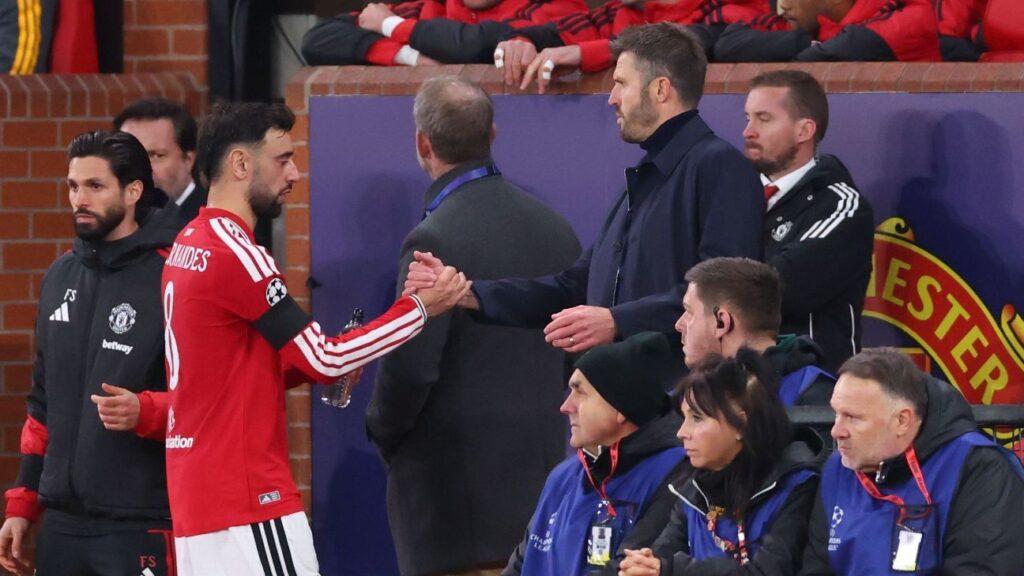
United’s quarter‑final second‑leg against AS Roma at Old Trafford became a turning point. After a 1‑0 loss in Italy, United needed a win to stay alive. Carrick reinstated Fernandes for the decisive game, and the Portuguese play‑maker responded with a brace and a decisive assist, helping United overturn the deficit 3‑2.
The win was not only a tactical triumph but also a narrative redemption. Fernandes’ performance demonstrated that his earlier criticisms were rooted in on‑field realities rather than personal grievances. After the match, he publicly praised Carrick’s decision to drop him, saying the punishment forced him to reflect on the team’s collective responsibilities.
Why Fernandes’ admission matters for club culture
Fernandes’ public endorsement of Carrick’s disciplinary action sends a rare signal in modern elite football: that dissent, when handled constructively, can strengthen a squad’s unity. Historically, clubs that suppress internal criticism often suffer from a toxic atmosphere, as seen in the decline of several European giants over the past decade. By accepting his own benching, Fernandes models accountability and reinforces the manager’s authority.
The episode also highlights a shift in power dynamics. Players now have platforms—social media, global fanbases—to air grievances, which can pressure clubs to act swiftly. Carrick’s willingness to enforce a short‑term sanction, then reintegrate Fernandes, suggests a pragmatic balance between maintaining control and valuing player input. This balance could become a template for other teams navigating the fine line between discipline and openness.
Implications for African players and the diaspora fanbase
United’s squad includes several African talents, most notably forward Marcus Rashford (of Jamaican‑Nigerian heritage) and midfielder Amad Diallo, who have watched the controversy unfold from the sidelines. The handling of internal dissent sets a precedent for how African players, who often bring different cultural expectations around hierarchy and respect, might be treated when they raise tactical concerns.
For the African diaspora that forms a sizable portion of United’s global fanbase, the story resonates beyond the pitch. Many supporters see the club as a bridge between European football and African aspirations, especially after United’s recent recruitment drives in Ghana, Nigeria, and South Africa. Demonstrating a club culture that respects honest feedback may encourage more African youngsters to envision a pathway to top‑tier football, knowing that their voices can be heard without jeopardising their careers.
What’s next for United and Carrick
Looking ahead, Carrick faces the challenge of translating the momentum from the Roma comeback into consistent league performances. Analysts predict that United will likely adopt a more flexible formation, granting midfielders like Fernandes greater freedom to dictate tempo—a change that could reduce the friction that led to the February fallout.
In the transfer market, United’s renewed emphasis on tactical clarity may influence upcoming signings. Clubs in Africa and the Middle East are already monitoring United’s approach, expecting the English side to target versatile players capable of adapting to a fluid system. If United succeeds, it could reinforce the narrative that European powerhouses are willing to listen to diverse footballing philosophies, opening doors for African coaches and scouts seeking roles in elite environments.
Quick Answers
Why did Bruno Fernandes say Michael Carrick was right to bench him?
Fernandes felt the benching forced him to reflect on team issues and showed respect for Carrick’s authority after his criticism of tactics.
How did United turn the tie against Roma around?
United won 3‑2 at Old Trafford, with Fernandes scoring twice and assisting the winner, overturning a 1‑0 first‑leg deficit.
What could this incident mean for African players at Manchester United?
It signals that honest feedback is valued, potentially encouraging African players to voice concerns and influencing future recruitment from the continent.
Source: www.espn.com




💬 Comments 0