Busan Film Festival 2026 Names Founder Kim Dong-ho Winner of Korean Cinema Award
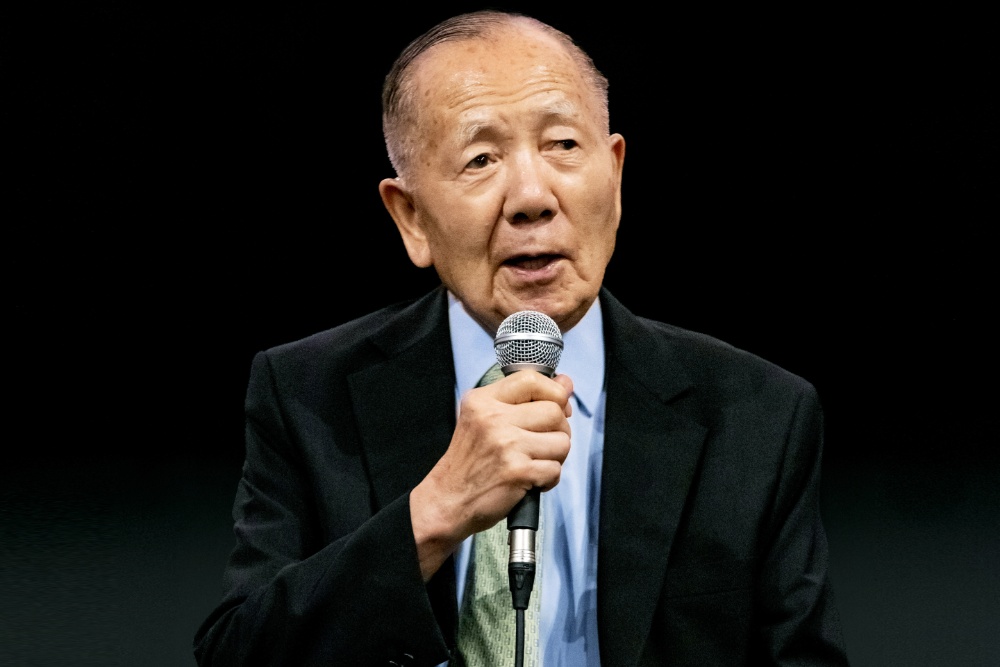
The man behind BIFF’s global reputation
Kim Dong-ho launched the Busan International Film Festival in 1996 with a modest budget and a vision to put Asian cinema on the world map. Over three decades he turned the event into Asia’s premier showcase, attracting Hollywood studios, European art houses and a legion of film lovers from Nairobi to New York. His background in the Ministry of Culture gave him the political savvy to negotiate funding, while his love for storytelling helped him curate line‑ups that highlighted emerging talent from South Korea, Japan, China and beyond.
The 31st edition of BIFF, scheduled for October 2026, will mark the first time the festival has formally recognized its own founder with the Korean Cinema Award. The accolade, traditionally reserved for actors, directors or producers who have amplified Korean film abroad, signals a rare moment of introspection: BIFF is celebrating the architect of its own success as the industry it helped build continues to dominate global streaming charts.
Why the Korean Cinema Award matters now
Korean cinema has become a cultural export powerhouse, with titles like "Parasite" and "Squid Game" breaking box‑office records worldwide. The award to Kim Dong-ho underscores how the festival’s early gamble on new voices paid off, turning Busan into a launchpad for content that now fuels Netflix, Disney+ and local OTT platforms across Africa. It also reinforces the Korean government’s policy of using soft power to cement cultural influence, a strategy that has attracted billions in foreign investment into Korean media companies.
Industry analysts say the honor could catalyse a new wave of funding for regional festivals that emulate BIFF’s model. By spotlighting the festival’s founder, the Korean Film Council (KOFIC) hopes to inspire other Asian cultural institutions to adopt similar outreach programs, which could eventually include joint grant schemes for African‑Korean co‑productions.
Implications for African film markets
African distributors have been watching the Korean surge with keen interest. According to a report by the African Film Industry Report (AFIR) 2025, Korean titles now account for 12% of streaming viewership in Nigeria and Kenya, outpacing many local productions. The award ceremony will be streamed live on multiple platforms, giving African audiences a direct line to the festival’s programming and, crucially, to the networking events that follow.
For African filmmakers, the recognition of Kim Dong-ho is a reminder that festivals can act as bridges between continents. Several Nigerian directors, including Kemi Adetiba and Akin Omotoso, have previously attended BIFF’s “Asian‑African Forum” and secured distribution deals with Korean companies. The heightened media attention around the award may translate into more slots for African films in BIFF’s competition sections, which in turn can attract Korean investors looking for fresh stories that resonate with pan‑African audiences.
Growing Asian‑African film partnerships
The past five years have seen a noticeable uptick in co‑production treaties between South Korea and African nations such as Ghana, South Africa and Ethiopia. The Korea‑Africa Cultural Exchange Initiative, launched in 2022, earmarks $30 million annually for joint film projects. Kim Dong-ho’s award is likely to be leveraged by KOFIC as a promotional hook for that fund, encouraging African producers to pitch projects that blend Korean technical expertise with African narratives.
A concrete example is the upcoming sci‑fi drama "Stars over Lagos", a Korean‑Nigerian co‑production slated for a 2027 release. The film’s producers cite the BIFF platform as the catalyst that connected them with a Korean cinematographer and post‑production house. If the Korean Cinema Award raises the festival’s profile further, similar collaborations could become routine, reshaping the supply chain for African cinema by injecting higher budgets and access to cutting‑edge technology.
What’s next for BIFF and African creators
BIFF’s organizers have already hinted at expanding their “Emerging Voices” program to include a dedicated African showcase for the 2027 edition. The program would feature a curated selection of African shorts and features, followed by a market‑place where Korean distributors meet African sales agents. This move aligns with the festival’s long‑term strategy to become a true crossroads of global cinema, rather than a regional showcase alone.
For African creators, the takeaway is clear: the spotlight on Kim Dong-ho is not just a nostalgic nod; it is a signal that BIFF is actively courting new partnerships. Filmmakers who can speak both the language of Korean technical polish and African storytelling authenticity stand to benefit from increased funding, broader distribution and a stronger foothold in the lucrative Asian streaming market.
Quick Answers
Who is receiving the Korean Cinema Award at the 31st Busan International Film Festival?
Founding director Kim Dong-ho, who launched BIFF in 1996, is the award’s 2026 recipient.
When will the Korean Cinema Award be presented at BIFF 2026?
The award will be handed out during the opening ceremony on October 5, 2026.
How could the award impact African filmmakers?
It highlights BIFF’s push for global partnerships, opening doors for co‑productions, distribution deals and increased visibility of African films on Korean and Asian platforms.
Source: variety.com




💬 Comments 0