Can Nigeria President Bola Tinubu Regain Voters’ Trust After Painful First Term? 2026
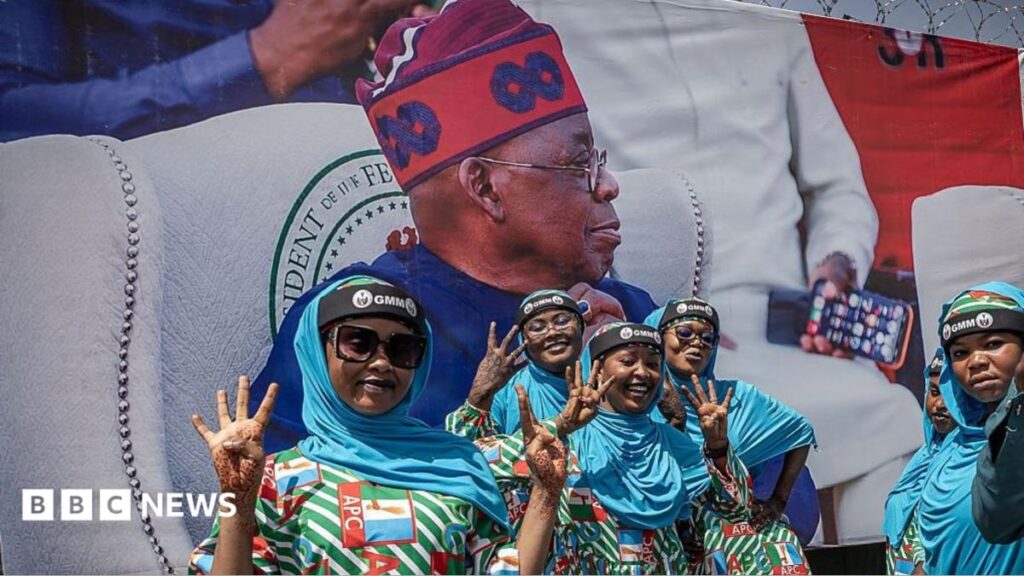
Background: From Buhari’s Exit to Tinubu’s Inauguration
When Muhammadu Buhari stepped down in 2023, Nigeria was already grappling with soaring inflation, a fragmented security landscape and a fragile democratic reputation. Bola Ahmed Tinubu, a veteran politician from Lagos and a former governor, rode a coalition of opposition parties to the presidency on a platform promising economic revival, anti‑corruption reforms and a renewed focus on security.
Tinubu’s victory was seen as a chance for a new political era, but his administration inherited deep‑seated structural problems: a volatile currency, a cash‑starved public sector and a surge in insurgent attacks across the north‑east. The expectations placed on his first term were therefore exceptionally high, setting the stage for a demanding test of political legitimacy.
The Trust Deficit: Economic Pain and Security Crises
Within months of taking office, Nigeria’s economy showed little sign of stabilising. Inflation hovered near 30 % for most of 2024, eroding real wages and pushing food prices to record highs. Analysts at the Centre for Democracy and Development note that the failure to secure a timely agreement with the International Monetary Fund deepened public frustration, as many Nigerians blamed the administration for “economic mismanagement”.
Security concerns compounded the economic woes. Boko‑Haram’s insurgency persisted, while banditry and farmer‑herder clashes escalated in the middle belt. According to a 2025 report by the International Crisis Group, the perceived inability of Tinubu’s security apparatus to protect civilians has become a central narrative in opposition rallies and social media protests.
Tinubu’s Reform Agenda: Signals and Shortfalls
In response, Tinubu launched a series of policy announcements aimed at restoring confidence. The 2025 “Economic Resilience Programme” promised a $10 billion sovereign bond to fund infrastructure, while a new anti‑corruption task force was created to investigate high‑profile graft cases. The president also pledged to overhaul the police force through a “Community Safety Initiative”, which includes recruiting 50,000 additional officers and introducing body‑camera technology.
Critics argue that these initiatives lack concrete implementation timelines. Sources close to the Ministry of Finance told Reuters that the sovereign bond plan is still pending approval from the National Assembly, and civil‑society groups have warned that the anti‑corruption task force may be hamstrung by political interference. The mixed signals have left many voters uncertain about the administration’s commitment to genuine change.
Public Reaction: Youth Mobilisation and Opposition Strategies
Nigeria’s youthful electorate, which makes up roughly 60 % of the population, has become increasingly vocal. The #RenewNigeria movement, spearheaded by university students in Abuja and Lagos, organised several peaceful marches in 2025 demanding transparent budgeting and accountability for security spending. Social‑media analytics from Brandwatch show a 45 % rise in online conversations linking Tinubu’s name with “failed promises” over the past year.
Opposition parties, especially the People’s Democratic Party (PDP), have capitalised on the trust gap by fielding candidates who promise “a reset of the Tinubu era”. In the 2026 state elections, the PDP secured unexpected wins in several northern states, signalling that the electorate may be ready to shift allegiances if the incumbent does not deliver measurable progress.
Regional and Diaspora Implications: Why Nigeria’s Trust Matters Beyond Its Borders
Nigeria’s status as Africa’s largest economy means that domestic political stability reverberates across the continent. Investors from South Africa, Kenya and the Gulf have expressed caution, with the Lagos Stock Exchange index falling 12 % between 2024 and 2025, according to Bloomberg. A lack of confidence in Tinubu’s economic stewardship could delay regional integration projects such as the African Continental Free Trade Area (AfCFTA) supply‑chain upgrades that rely on Nigerian manufacturing capacity.
For the Nigerian diaspora, trust in the home government influences remittance flows and philanthropic engagement. The World Bank estimates that Nigerians abroad sent over $30 billion to the country in 2024. A 2025 survey by the Nigerian Diaspora Forum in the United States found that 58 % of respondents were reconsidering future investments in Nigerian startups, citing “political uncertainty” as a key deterrent.
What’s Next: 2027 Elections and the Road to Re‑building Credibility
Looking ahead to the 2027 general elections, Tinubu faces a pivotal decision: double down on reform or risk being labelled a one‑term president. Political scientists at the University of Ibadan warn that failure to deliver tangible outcomes could open the door for a coalition of regional parties to challenge the All‑Progressive Congress (APC) dominance, potentially reshaping Nigeria’s party system.
If Tinubu manages to pass key legislation—particularly the long‑awaited fiscal responsibility bill and the security sector overhaul—he could salvage his legacy and restore a measure of voter confidence. Successful implementation would also send a positive signal to African markets, encouraging renewed foreign direct investment and reinforcing Nigeria’s role as a continental economic engine.
Quick Answers
What are the main reasons Nigerians have lost trust in President Tinubu?
High inflation, persistent security attacks and perceived delays in promised reforms have eroded confidence in Tinubu’s first term.
What reforms is President Tinubu pursuing to regain voter trust?
He announced an Economic Resilience Programme, a sovereign bond for infrastructure, a new anti‑corruption task force and a community‑safety overhaul of the police.
How could Tinubu’s performance affect Nigeria’s economy and Africa’s outlook?
Improved governance could attract regional investment and boost AfCFTA integration, while continued distrust may depress markets and deter diaspora remittances.
Source: www.bbc.co.uk




💬 Comments 0