CAS to rule on Senegal-Morocco AFCON dispute in days – what it means for 2025 qualifiers and African football
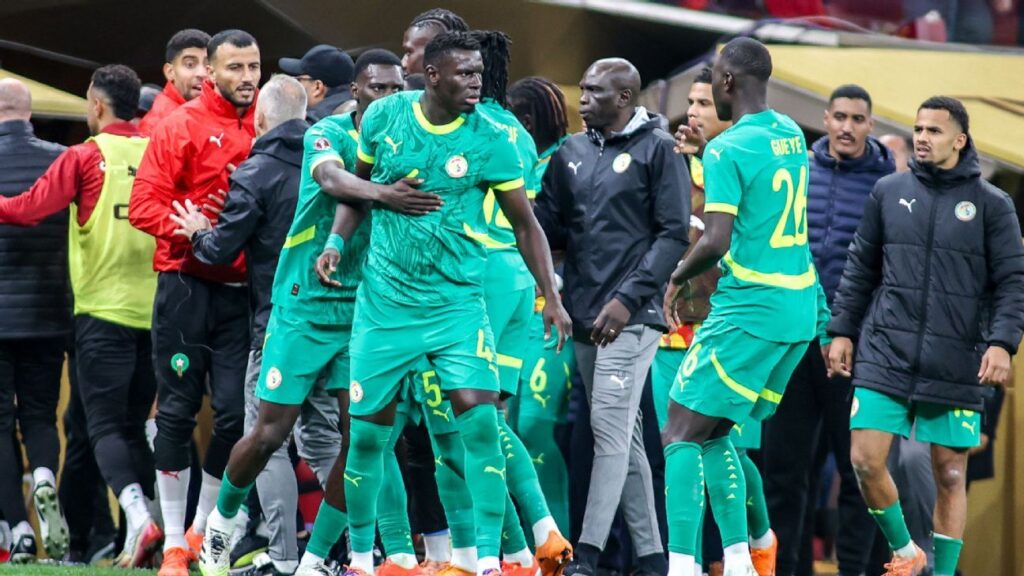
Background: The CAF dispute that sparked the legal battle
The controversy began after the 2025 Africa Cup of Nations qualifying round when Senegal lodged a protest against Morocco for fielding an ineligible player, Abdelhamid El Amri, in a Group C match. CAF’s disciplinary committee ruled that Morocco had breached Article 31 of the competition regulations, which led to the North African side being expelled from the qualification process and Senegal being awarded a 3‑0 win by default.
Morocco appealed the decision, arguing that the player’s paperwork had been approved by the Confederation of African Football (CAF) before the match and that the disqualification would cause irreparable harm to its football program and fans. The appeal was initially rejected, prompting the Moroccan Football Federation to take the case to the Court of Arbitration for Sport (CAS) in Lausanne, while Senegal also filed a parallel request to confirm its victory.
The CAS hearing: Arguments from both federations
During the hearing, Morocco’s legal team emphasized that CAF had given a provisional clearance for the player’s registration, a point that they said should have prevented any punitive action. They also highlighted the financial stakes involved, noting that missing the tournament would cost the Moroccan federation an estimated $12 million in prize money, sponsorship, and match‑day revenue.
Senegal’s counsel, on the other hand, insisted that the rules are clear and that CAF’s disciplinary panel acted within its authority. They warned that overturning the decision could set a dangerous precedent, encouraging other nations to field improperly documented players without fear of sanction. Both sides cited previous CAF rulings to bolster their positions, making the case a litmus test for the consistency of African football governance.
Why the decision matters for African football and economies
Beyond the immediate sporting outcome, the CAS verdict will affect broadcasting contracts, sponsorship deals, and ticket sales that hinge on the participation of high‑profile teams like Morocco and Senegal. According to a report by African Sports Business, the AFCON 2025 tournament is projected to generate $150 million in regional revenue, with Morocco expected to contribute roughly $30 million through its fan base and commercial partnerships.
For players, the ruling could influence future transfers. Moroccan stars such as Achraf Hakimi and Youssef En-Nesyri have been linked with moves to European clubs, and a strong showing at AFCON often boosts their market value. Conversely, Senegal’s squad, led by Sadio Mané’s successor, would miss a vital platform to showcase talent, potentially limiting exposure for younger players seeking overseas contracts.
The wider trend: Legal battles reshaping African sport governance
The Senegal‑Morocco clash is part of a growing pattern where African federations turn to international arbitration to settle disputes that were once handled solely within CAF’s internal mechanisms. Recent cases involving Nigeria’s eligibility controversy in the 2024 Olympic qualifiers and Ghana’s challenge over a refereeing decision in the 2023 WAFU Cup illustrate an increasing reliance on CAS to enforce transparency and procedural fairness.
Experts say this shift reflects both a maturing legal culture in African sport and a frustration with perceived inconsistencies in CAF’s disciplinary processes. As more federations gain access to legal expertise, the continent may see a surge in arbitration cases, which could pressure CAF to standardise its regulations and improve its dispute‑resolution framework to avoid reputational damage.
What could happen next: Scenarios and potential fallout
If CAS upholds CAF’s original decision, Morocco will remain excluded from the 2025 AFCON, and Senegal will retain the three points that secured its place in the tournament. This outcome would likely trigger a wave of criticism from Moroccan fans and sponsors, some of whom have already hinted at withdrawing support unless the federation receives compensation for lost revenue.
Should CAS reverse the disqualification, Morocco will be reinstated, forcing a reshuffle of the qualification standings. CAF would need to organise a make‑up match or adjust the group table, a logistical challenge that could delay the tournament’s final draw. Moreover, a reversal could embolden other nations to contest CAF rulings, prompting the confederation to revisit its eligibility verification procedures to avoid future legal entanglements.
Quick Answers
When will the CAS decision on the Senegal-Morocco AFCON case be announced?
The Court of Arbitration for Sport is expected to deliver its ruling within a few days of the hearing, according to the tribunal’s schedule.
What are the possible consequences for Morocco if the CAS upholds the disqualification?
Morocco would miss the 2025 AFCON, lose an estimated $12 million in revenue, and face a setback for its players’ exposure on the continental stage.
How could the verdict affect African football governance?
The ruling could set a precedent for how eligibility disputes are handled, potentially prompting CAF to standardise its disciplinary processes and reduce reliance on external arbitration.
Source: www.espn.com




💬 Comments 0