Cavan Sullivan, 16, Makes USMNT Squad as Pulisic Omitted Ahead of 2026 World Cup
A new face in a familiar roster
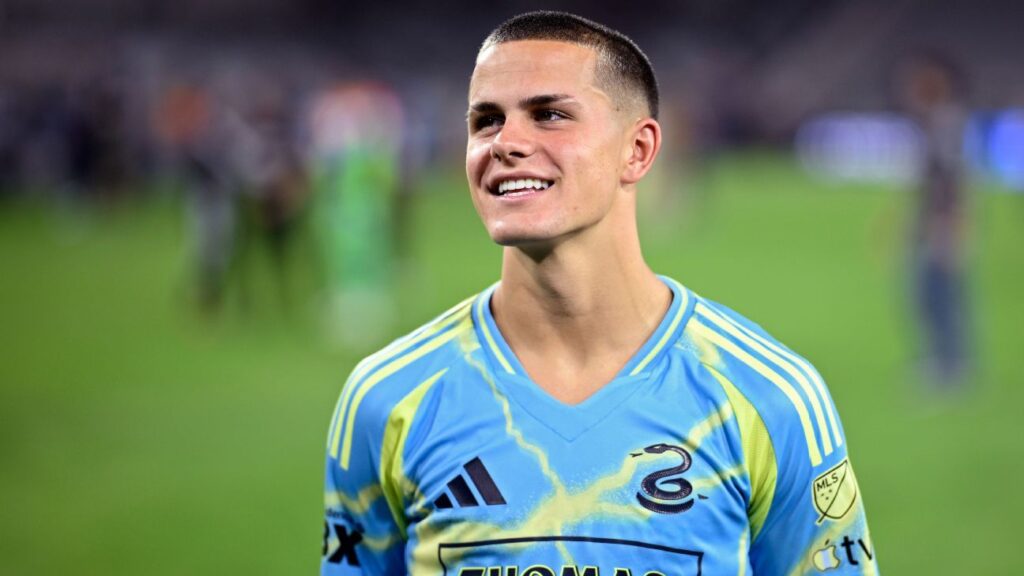
Mauricio Pochettino’s 28‑player list for the September international window has turned heads for a simple reason: it features 16‑year‑old Philadelphia Union prodigy Cavan Sullivan. The teenager, who already boasts two MLS appearances and a handful of goals, becomes the youngest player ever called up to the senior United States men’s national team. His rapid rise mirrors the increasing willingness of American coaches to trust academy‑grown talent over established veterans.
Sullivan’s story is rooted in the city’s robust youth ecosystem. A product of the Union’s academy, he signed a homegrown contract at 14 and has been praised for his composure, technical ability, and goal‑scoring instinct. While his name may be unfamiliar to many casual fans, scouts have been tracking him since his breakout season with the U‑17 national side, where he netted seven goals in nine matches.
Why Christian Pulisic’s name is missing
The most talked‑about omission on the list is Christian Pulisic, the 27‑year‑old captain who has been a mainstay for the USMNT since 2016. Pulisic missed the call due to a lingering hamstring issue, a setback that has forced the coaching staff to look deeper into the talent pool. According to a statement from US Soccer, the decision was purely medical, but the timing has sparked debate about the team’s reliance on a single star.
Pochettino’s willingness to promote a teenager in place of the veteran reflects a broader strategic shift. The coach has publicly emphasized the need to build a squad capable of competing in the 2026 World Cup on home soil, and that means integrating players who can develop chemistry now rather than waiting for a later tournament.
Implications for the USMNT’s 2026 World Cup campaign
Hosting the 2026 World Cup across the United States, Canada and Mexico places unprecedented pressure on the USMNT to perform. The inclusion of a player as young as Sullivan signals a desire to fast‑track a core group that will have valuable experience by the time the tournament arrives. If Sullivan earns minutes in the upcoming friendlies, he could accumulate the international exposure that historically separates World Cup regulars from fringe players.
Moreover, the move may influence the selection dynamics for other positions. With Pulisic sidelined, the midfield and attacking roles are open for experimentation, giving younger prospects a chance to stake a claim. This could lead to a more balanced squad that blends veteran leadership with youthful energy, a formula that has paid dividends for other nations that have hosted major tournaments.
What it means for African‑American players and the diaspora
Sullivan’s ascent is noteworthy not only for his age but also for what it represents in the context of African‑American representation in US soccer. While the United States has a growing pool of Black talent, many still face barriers related to access, scouting exposure, and financial support. Sullivan’s pathway—through a professional academy that offers scholarships and mentorship—highlights a model that could be replicated in underserved communities across the country.
The broader diaspora is watching closely. African‑born or heritage players in the US often juggle dual identities, and a high‑profile call‑up for a homegrown talent can inspire families in Nigeria, Ghana, Cameroon and other football‑rich nations to view MLS academies as viable routes to senior international football. According to a recent analysis by The Athletic, MLS youth programs have seen a 22 % increase in enrolment from players of African descent over the past three years, suggesting that stories like Sullivan’s could catalyze further investment in grassroots initiatives targeting those communities.
A global pattern: youth breaking into senior sides
Sullivan’s breakthrough aligns with a worldwide trend of federations fast‑tracking teenagers into senior squads. From England’s Jude Bellingham to Brazil’s Rodrygo, national teams are betting on early exposure to accelerate development. African nations, too, are embracing this approach; Nigeria’s 17‑year‑old Samuel Chukwueze made his senior debut in 2023, and Ghana has already fielded 18‑year‑old Daniel Afriyie at the Africa Cup of Nations. The common denominator is a strategic response to the compressed calendar of international fixtures and the commercial pressure to showcase fresh talent.
For the United States, the decision carries commercial weight as well. MLS viewership has surged in recent years, especially among younger demographics and the African‑American market. Featuring a teenage phenom on the national team’s roster can boost broadcast ratings, merchandise sales, and social‑media engagement—particularly if the player becomes a cultural icon. The ripple effect may also attract European clubs to monitor MLS academies more closely, potentially opening pathways for African‑American players to move abroad, much like Pulisic’s own journey to Chelsea and later to AC Milan.
Quick Answers
When was Cavan Sullivan called up to the USMNT?
He was named in the 28‑player roster for the September 2026 international window by coach Mauricio Pochettino.
Why is Christian Pulisic not in the latest USMNT squad?
Pulisic is sidelined with a hamstring injury, prompting his omission from the current list.
How could Sullivan’s inclusion affect African‑American youth soccer in the US?
His rise showcases a viable academy pathway, encouraging investment in grassroots programs that serve African‑American communities and inspiring young players to pursue professional careers.
Source: www.espn.com




💬 Comments 0