Celtic fan protest at Alfred Dunhill Links 2026 targets Dermot Desmond
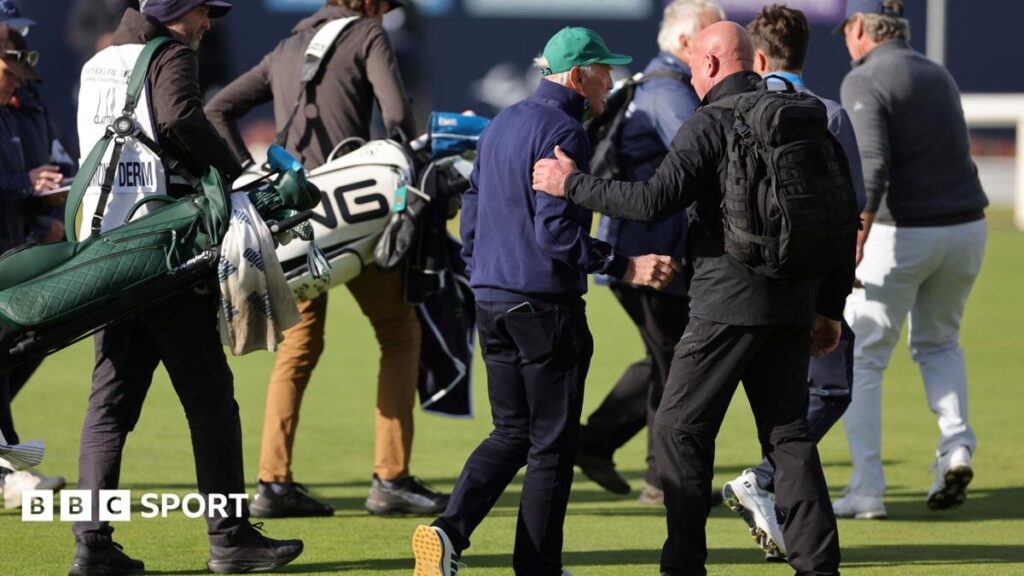
Background: Dermot Desmond and Celtic’s ownership landscape
Dermot Desmond, a billionaire Irish financier, has been Celtic Football Club’s largest shareholder since 2003. His stake, estimated at around 25 per cent, gives him significant influence over the club’s strategic decisions, from transfer policy to commercial partnerships. Over the past few years, Desmond’s involvement has been a double‑edged sword – his financial backing helped secure high‑profile signings, but fans have also blamed him for rising ticket prices and the perceived lack of ambition in the transfer market.
The Alfred Dunhill Links tournament, a three‑day pro‑am event held on the historic courses of St Andrews, Carnoustie and Kingsbarns, attracts a mix of elite golfers and wealthy sponsors. Desmond, a regular participant, uses the tournament to network with other high‑net‑worth individuals and to promote his charitable foundation. His presence at the 2026 edition was therefore both a personal leisure activity and a business opportunity.
The protest: tennis balls, headlines and Celtic’s condemnation
During the second day of the Dunhill Links event, a group of Celtic supporters gathered near the clubhouse and began hurling tennis balls toward Desmond’s entourage. The makeshift protest was captured on social media, where videos quickly amassed thousands of views. Although no one was injured, the incident was enough to trigger a security response and to prompt an immediate statement from the club.
Celtic issued a firm condemnation, describing the act as “unacceptable and dangerous” and urging supporters to channel grievances through official club channels. The club’s press release also warned that any future disruptions could lead to bans from attending matches or club‑related events. While the statement sought to distance the club from the protest, it also highlighted the growing frustration among sections of the fan base.
Why it matters for Celtic’s governance and finances
The protest shines a spotlight on the delicate balance between a club’s ownership structure and its supporters’ expectations. Desmond’s sizeable shareholding means that any erosion of his public image could affect Celtic’s ability to attract new investors or secure sponsorships, especially as the club pursues a new stadium development plan worth over £600 million.
Moreover, the incident arrives at a time when Celtic is negotiating a multi‑year kit deal and exploring a potential partnership with a technology firm focused on fan‑engagement platforms. A perception that the club tolerates intimidation of its major shareholder could make commercial partners nervous, fearing reputational risk. In short, the protest has the potential to ripple through Celtic’s financial pipeline, from ticket revenue to long‑term investment projects.
A wider wave of fan activism across European football
Celtic’s situation mirrors a broader pattern of supporter mobilisation across Europe. In England, fans of Newcastle United and AFC Bournemouth have staged sit‑ins to demand greater transparency from owners. In Spain, ultras at Atletico Madrid have repeatedly blocked board meetings to protest perceived neglect of the club’s heritage. These actions are increasingly coordinated through online platforms, allowing supporters to organise quickly and amplify their message globally.
What sets the St Andrews incident apart is its venue – a high‑profile golf tournament rather than a football stadium. This signals that fan activism is no longer confined to match days; it can spill over into any public arena where club figures appear. The tactic also raises questions about the limits of protest, especially when it borders on personal safety concerns.
African diaspora fans and the Celtic narrative
Celtic’s fan base has traditionally been rooted in the Irish diaspora, but in recent decades the club has attracted a growing number of African supporters living in Glasgow and across the United Kingdom. Community groups such as the Ghanaian‑Scottish Celtic Supporters Association and the Nigerian‑Scottish Football Circle regularly organise watch parties and charitable events, linking the club’s identity to broader multicultural narratives.
For many of these fans, the protest raises a paradox. On one hand, they share the frustration over ticket pricing and perceived under‑investment in the squad – issues that affect every supporter regardless of background. On the other hand, they worry that violent demonstrations could reinforce negative stereotypes about African‑origin fans, even though the protestors were not identified as such. The incident therefore underscores the need for Celtic to foster inclusive dialogue that respects the diversity of its global fan community while addressing legitimate concerns about ownership.
What’s next: possible investigations, dialogue and policy shifts
Following the incident, St Andrews officials announced a review of security protocols for future pro‑am events, while the Scottish Golf Union said it would work with tournament organisers to ensure that any future protests are handled peacefully. Within Celtic, the board has pledged to hold a town‑hall meeting with fan representatives later this month, aiming to rebuild trust and outline a clearer pathway for supporter input on major decisions.
If the dialogue proves fruitful, Celtic could adopt a formal fan‑ownership advisory panel – a model already used by clubs such as Borussia Dortmund and FC Barcelona’s “sócio” system. Such a move would give ordinary supporters a structured voice, potentially defusing the kind of spontaneous protest seen at St Andrews. For Desmond, the episode may serve as a reminder that shareholder influence alone cannot guarantee stability; constructive engagement with the club’s diverse fan base is now a strategic imperative.
Quick Answers
Who is Dermot Desmond in relation to Celtic Football Club?
Dermot Desmond is Celtic’s largest shareholder, holding roughly a quarter of the club’s equity and playing a key role in its financial and strategic decisions.
What happened at the 2026 Alfred Dunhill Links tournament involving Celtic fans?
A group of Celtic supporters threw tennis balls toward Dermot Desmond’s entourage during the event, prompting a security response and a club statement condemning the protest.
How could this protest affect Celtic’s future ownership or sponsorship deals?
The incident could damage Desmond’s public image and make sponsors wary, potentially influencing future investment, stadium financing and the club’s ability to secure new commercial partnerships.
Source: www.bbc.co.uk



💬 Comments 0