Cesc Fabregas’ Como to host Manchester United in 2026 Champions League – impact for African fans and talent
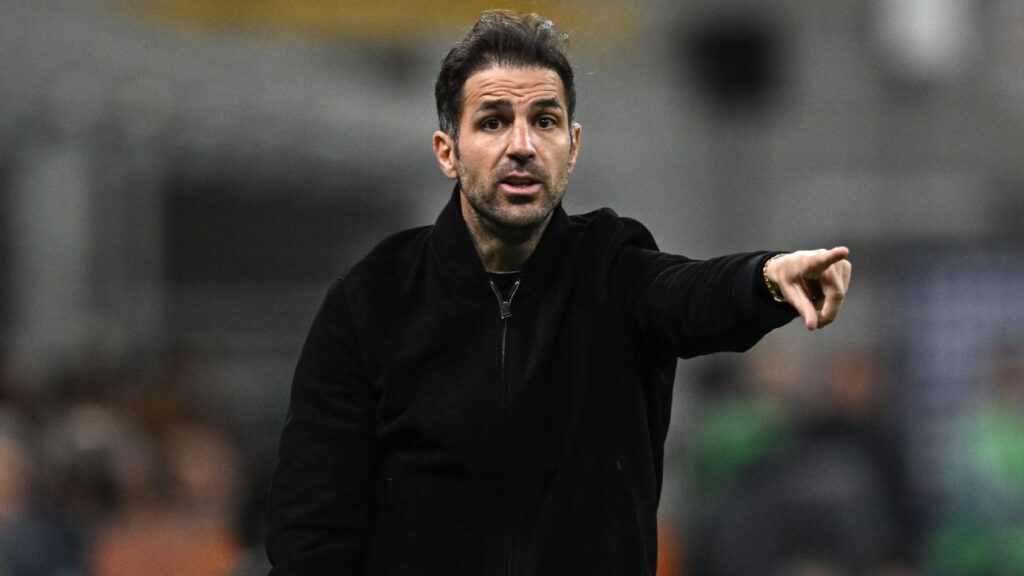
From midfield maestro to Serie B manager
Cesc Fabregas, the former Arsenal and Barcelona playmaker, retired from professional football in 2023 and quickly shifted to coaching. After earning his UEFA Pro Licence, he took over at Italian side Como in the summer of 2024, a club that had just secured promotion to Serie B. Fabregas' reputation for vision and tactical awareness has already attracted attention, but his biggest test comes with the Champions League group stage draw that paired his modest side with English giants Manchester United.
The appointment of a high‑profile former player at a lower‑tier club is not new, but Fabregas' rapid ascent is noteworthy because it reflects a broader trend of elite ex‑players moving straight into senior management without lengthy apprenticeship. According to Sky Sports, his first season saw Como finish third, narrowly missing promotion, and earning a spot in the newly‑expanded Champions League after the competition's format change in 2025.
Why the Como‑United clash matters beyond the pitch
For a club like Como, hosting a team of Manchester United's stature brings a financial windfall. UEFA’s match‑day revenue distribution guarantees a minimum of €5 million for the home side, a sum that can fund stadium upgrades and youth academy projects. In addition, the global broadcast rights for the game will be sold to African markets, where United enjoys a massive following. This means African viewers will see a Serie B stadium on their screens, raising the profile of Italian lower‑league football across the continent.
The encounter also offers a spotlight for African players already in Europe. Como’s squad includes two Nigerian forwards, Chukwudi Nwankwo and Samuel Olatunji, who have been on the radar of scouts from larger leagues. A strong performance against United could accelerate their transfer prospects, echoing past moments when African talent shone on big stages and secured moves to top clubs.
African diaspora fans and the growing appetite for European club football
The United‑Como match is being heavily promoted by African broadcasters such as SuperSport and Canal+ Afrique. According to a press release from SuperSport, viewership for previous Champions League fixtures involving English clubs averaged 3.2 million across Sub‑Saharan Africa. The novelty of a Serie B venue adds curiosity, and early ticket‑sale data suggest a surge in online streaming subscriptions from Nigeria, Kenya and South Africa.
Social media chatter among the diaspora shows a blend of excitement and cultural pride. Nigerian fans have taken to Twitter to chant “Nigerian boys will shine” whenever the Nigerian forwards are mentioned, while Ghanaian expatriates are using the match to rally support for their own players in the league. This organic buzz demonstrates how European club fixtures have become communal events for African communities worldwide.
What the result could mean for the group and future African talent pipelines
If Como manages a respectable result – a draw or a narrow loss – the club will secure a crucial boost in UEFA coefficient points, which influences future seeding and can keep the team in the competition longer. For African players, the exposure is equally valuable: scouts from Ligue 1, La Liga and the Premier League often monitor Champions League group matches for hidden gems. A goal from Olatunji, for instance, could trigger interest from clubs looking to diversify their talent pools.
Conversely, a heavy defeat could reinforce the perception that smaller clubs are outmatched, potentially discouraging investment in African talent at lower‑tier European sides. However, analysts from BBC Sport argue that the long‑term trend remains positive, noting that the number of African players in Serie B has risen by 22 % over the past three seasons, a growth partly driven by clubs seeking affordable yet high‑potential signings.
Looking ahead: the broader implications for African football development
Beyond the immediate financial and scouting benefits, the match underscores a strategic shift: European clubs are increasingly viewing African markets as both commercial partners and talent reservoirs. The UEFA Commercial Committee has announced plans to allocate a larger share of future broadcasting revenue to African territories, a move that could fund grassroots programs and coaching education across the continent.
For African football federations, the visibility of players like Nwankwo and Olatunji on a global stage strengthens the case for stronger domestic leagues. If their performances translate into moves back to Africa or higher‑profile European clubs, it could inspire younger athletes to pursue professional pathways, knowing that even a Serie B side can serve as a springboard to the world’s biggest stages.
Quick Answers
When does Como host Manchester United in the Champions League?
The match is scheduled for Wednesday, October 28, 2026, at Como’s Stadio Giuseppe Sinigaglia.
Which African players could benefit from the Como‑United game?
Nigerian forwards Chukwudi Nwankwo and Samuel Olatunji are expected to feature and could attract interest from bigger clubs.
How much money will Como earn from hosting Manchester United?
UEFA guarantees at least €5 million in match‑day revenue for the home team, plus additional broadcasting income from African markets.
Source: www.espn.com




💬 Comments 0