Chelsea 1-0 Arsenal: Sonia Bompastor backs Katie McCabe after fan boos, what it means for women’s football in 2026
Background: Growing pains in the Women’s Super League
The Women's Super League (WSL) entered its 15th season in 2026 with record attendance figures and a surge in broadcast deals across Europe, but the rapid commercial growth has also exposed lingering cultural challenges, especially around fan behaviour and player treatment.
Chelsea Women, under French manager Sonia Bompastor, have become one of the league’s most consistent title contenders, while Arsenal Women remain a historic powerhouse with a passionate, sometimes volatile, supporter base that has long prided itself on vocal involvement.
Across the continent, African nations such as Nigeria, South Africa and Kenya watch the WSL closely, using its standards as a benchmark for their own domestic leagues. The way fans and clubs handle conflict in England often sets a tone that reverberates in African stadiums where women’s football is still fighting for legitimacy.
The incident: McCabe meets Arsenal’s disapproval
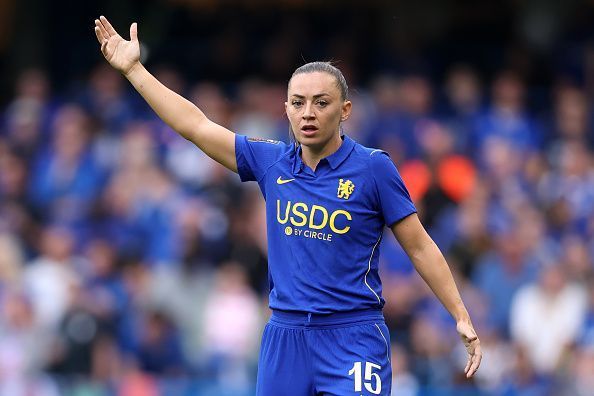
On Sunday, Chelsea secured a 1-0 victory over Arsenal at Stamford Bridge. The winning goal came from a set‑piece, and the match ended with the usual post‑game celebrations – except for one notable exception: Katie McCabe, the Irish full‑back who had transferred from Arsenal to Chelsea just months earlier, was met with a chorus of boos from a section of the Gunners’ crowd.
McCabe, who captained the Republic of Ireland women’s national team and is celebrated for her composure on the pitch, kept her focus and completed the match without incident, a fact that Bompastor highlighted in the post‑match press conference.
The booing sparked an immediate debate on social media, with some Arsenal fans defending their reaction as “loyalty to the club” while others condemned it as a gendered double‑standard that would be unlikely to occur in the men’s game.
Why the reaction matters for women’s football
Fan hostility toward players who switch clubs is not new, but the intensity of the response toward a female athlete raises questions about the maturity of the WSL’s fan culture. According to a report by The Guardian, women’s matches still experience higher rates of verbal abuse compared with their male counterparts, a trend that can deter young talent from pursuing professional careers.
The incident also highlights the pressure on high‑profile players who serve as role models for the next generation. In Africa, where women’s football is gaining momentum, young players often look to WSL stars for inspiration. Seeing a top player publicly shamed can undermine confidence and send a discouraging message about the cost of success.
Moreover, the episode underscores the commercial stakes at play. Sponsors and broadcasters are increasingly sensitive to brand safety, and repeated fan misconduct could jeopardise future investment in the women’s game, a risk that clubs across Europe and Africa are keen to avoid.
Leadership in the spotlight: Bompastor’s response
Sonia Bompastor, one of the few women to manage at the highest level of English club football, used the platform to praise McCabe’s professionalism, stating that the player’s composure “shows the kind of mental strength needed to thrive in this league”. Her comments were widely shared, positioning her as a vocal advocate for player welfare.
Bompastor’s stance also aligns with a broader movement among women’s football managers who are demanding stricter codes of conduct for supporters. In a recent interview with BBC Sport, she hinted that Chelsea will work with the Premier League to introduce clearer penalties for fan abuse, echoing similar proposals being discussed by the FA Women’s Committee.
For African coaches and administrators, Bompastor’s approach offers a blueprint: proactive leadership can shape fan expectations and protect athletes. Nations such as Ghana and Tanzania have begun drafting fan‑behaviour policies inspired by the WSL’s evolving standards, hoping to pre‑empt similar incidents at home.
What’s next: Shaping fan culture and player welfare
The immediate fallout includes a pledge from both clubs to monitor social media commentary and to increase security presence at future fixtures. Arsenal’s chief executive, Vinny Nascimento, reportedly told reporters that the club will “review our fan engagement strategy” to ensure that passion does not cross into intimidation.
Long‑term, the episode could accelerate the rollout of a league‑wide education campaign aimed at dismantling gender‑biased hostility. The WSL’s partnership with the Women’s Sport Trust is already developing workshops for supporter groups, a model that African federations are watching closely for adaptation.
If the league succeeds in curbing such behaviour, the ripple effect could be substantial: stronger fan‑player relations, higher retention of elite talent, and a more attractive product for broadcasters across Africa and the diaspora. As the WSL continues to set the benchmark, the way it handles moments like the McCabe booing will likely influence how African women's leagues evolve over the next decade.
Quick Answers
Why did Arsenal fans boo Katie McCabe after Chelsea's win?
Fans were upset that McCabe, a former Arsenal player, helped Chelsea win; the reaction sparked debate about gendered fan behaviour in women's football.
How is Sonia Bompastor addressing fan abuse in the WSL?
Bompastor praised McCabe’s composure and said Chelsea will work with the league to enforce stricter penalties for supporter abuse.
What impact could this incident have on African women's football?
African leagues look to the WSL for standards; handling fan misconduct here can guide policies to protect players and attract investment across the continent.
Source: www.espn.com




💬 Comments 0