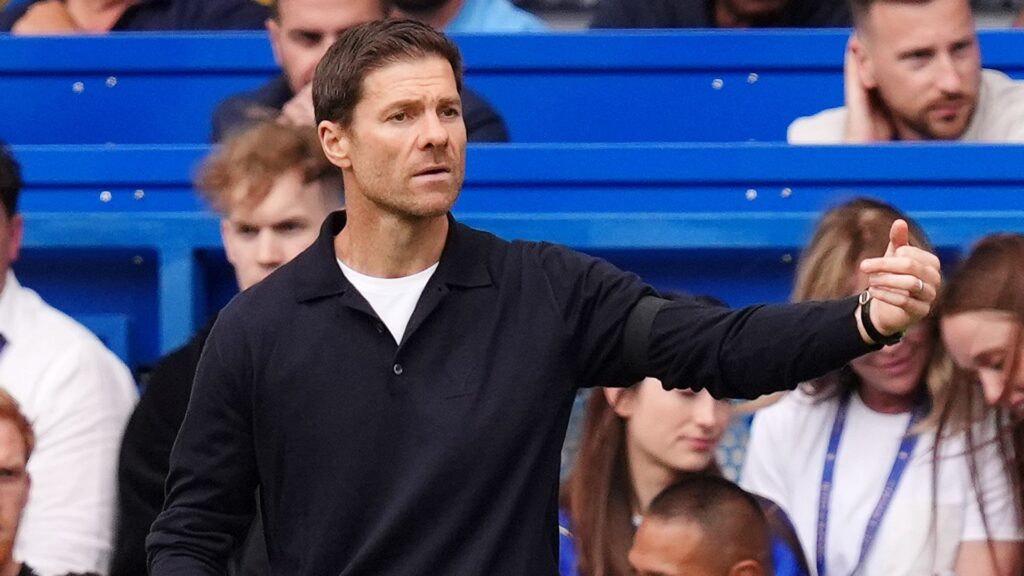
Chelsea manager Xabi Alonso says club needed an update not a reset – what it means for 2026 season and African players
Background: Alonso’s arrival and Chelsea’s recent turmoil
When Xabi Alonso took over Chelsea in June 2026, the Blues were reeling from a season that saw them finish seventh in the Premier League, miss out on European qualification and endure a chaotic summer transfer window. The club had sacked former boss Mauricio Pochettino after just one year, and rumors of a wholesale squad overhaul swirled across London. Fans were divided – some demanded a complete rebuild, while others hoped for continuity under a fresh tactical vision.
Alonso arrived with a résumé that includes Champions League triumphs as a player for Liverpool, Real Madrid and Bayern Munich, and a reputation for meticulous preparation as a coach at Bayer Leverkusen. His appointment was seen as a gamble: a relatively inexperienced manager in England, but one whose footballing intellect promised a modern, possession‑based style that could revive Chelsea’s identity.
What Alonso meant by ‘an update, not a reset’
Speaking at a press conference on his first day, Alonso told reporters that Chelsea did not need a “reset” of everything they had built, but rather an “update”. He clarified that the club’s core philosophy – attacking football, high pressing and a strong youth pipeline – remained sound, but the tactical details required tweaking. In his own words, the squad needed “new ideas, fresh patterns of play and a clearer definition of roles”.
The comment was a direct rebuttal to the media narrative that suggested a total overhaul, including a massive player exodus. By framing the change as an update, Alonso signalled his intent to keep many existing players, while refining the system to better suit their strengths. It also hinted that the upcoming transfer window would focus on targeted additions rather than a wholesale purge.
Why the ‘update’ matters for Chelsea’s strategic direction
An update approach allows Chelsea to retain valuable assets while still addressing glaring weaknesses. For instance, the club’s midfield lacked a true deep‑lying playmaker, a role Alonso excelled in as a player. Rather than selling established stars, the plan appears to involve recruiting a specialist – a move that could be more cost‑effective than a full‑scale rebuild.
Keeping the squad largely intact also preserves the club’s investment in its academy, which has produced talents like Carney Chukwuemeka and Noni Madueke. An incremental change means these youngsters can continue to develop under a manager who values technical growth, increasing the likelihood that they become first‑team regulars and future transfer assets.
The African angle: opportunities for players, scouts and fans
Chelsea’s recent history includes a strong African presence – from the likes of N’Golo Kanté (France‑born of Malian descent) to the Nigerian winger Taiwo Awoniyi, who joined in 2025. Alonso’s update strategy could cement the club’s role as a launchpad for African talent. By retaining a stable squad, young African prospects already on the books are more likely to see meaningful minutes rather than being shuffled out in a massive overhaul.
Furthermore, the manager’s emphasis on tactical nuance may attract African scouts who specialize in identifying technically gifted midfielders – a position that aligns with Alonso’s own playing style. This could boost scouting networks across West and Central Africa, creating more pathways for players to reach Europe and giving diaspora fans a reason to stay invested in Chelsea’s fortunes.
Reactions and the wider trend of ex‑players becoming managers
Alonso’s remarks have been praised by former teammates and pundits who view him as a modern tactician. Former Spain captain Sergio Ramos, now a television analyst, called the “update” comment “smart football‑philosophy – you respect the past while evolving for the future”. In contrast, some Chelsea supporters remain skeptical, fearing that subtle changes won’t be enough to close the gap with Manchester City and Liverpool.
The broader pattern across Europe sees clubs hiring former elite players as managers – think of Zinedine Zidane at Real Madrid or Pep Guardiola at Manchester City. Alonso’s approach mirrors this trend: leveraging personal experience to fine‑tune a squad rather than tearing it down. For African football, the success of such managers can inspire former players from the continent to pursue coaching badges, knowing that clubs value a nuanced, player‑centric methodology.
What’s next: transfer targets, tactical tweaks and African impact in 2026‑27
In the coming weeks, Chelsea is expected to target a deep‑lying midfielder who can dictate tempo – a profile that could be filled by a rising African star such as Ghana’s Thomas Partey Jr. (currently at a mid‑table La Liga side). Simultaneously, Alonso is likely to experiment with a 4‑3‑3 formation that gives wing‑backs more freedom, a system that benefits pacey African wingers accustomed to playing in wide, high‑press environments.
If the update succeeds, Chelsea could finish higher than seventh, secure a Europa League spot and reinforce its reputation as a club that nurtures African talent. Failure, however, would reignite calls for a full reset, potentially prompting a larger sell‑off that could see African players loaned out or transferred. The next few months will therefore determine not just Chelsea’s domestic ambitions, but also the trajectory of African representation in one of the world’s most visible clubs.
Quick Answers
What did Xabi Alonso mean by saying Chelsea needed an update, not a reset?
Alonso meant that Chelsea should keep its core squad and philosophy but refine tactics, roles and specific positions rather than overhauling the entire team.
How could Alonso’s plan affect African players at Chelsea?
By avoiding a massive squad purge, young African talents already at the club are more likely to receive playing time and benefit from a stable development environment.
What are Chelsea’s likely transfer targets under Alonso’s update strategy?
The club is expected to look for a specialist deep‑lying midfielder and possibly an African winger, focusing on targeted signings rather than a wholesale rebuild.
Source: www.skysports.com




💬 Comments 0