Christian Pulisic signs 2026 extension with AC Milan – impact on US stars and Europe
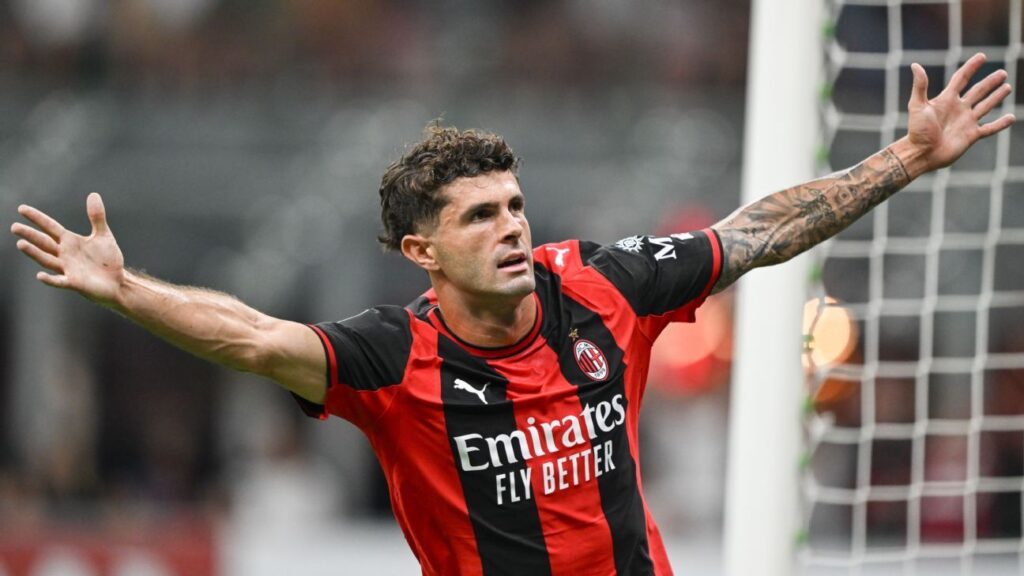
Background: Pulisic’s rise to Serie A
Christian Pulisic arrived in Milan in 2019 after a high‑profile move from Borussia Dortmund, becoming the first American to command a €20 million fee in a top‑five league. His early seasons were marked by flashes of brilliance—most notably the decisive goal against Lazio that secured the 2020‑21 Serie A title—yet injuries and competition for places limited his consistency. Over the past three years he has logged roughly 150 league appearances, contributing 28 goals and 19 assists, numbers that place him among Milan’s reliable attackers but short of the superstar status fans once envisioned.
The United States saw Pulisic’s Milan stint as a benchmark for home‑grown talent aiming for Europe’s elite. His performances have been dissected on US sports shows, while MLS clubs have used his trajectory to market their academies as pipelines to the continent. At the same time, his dual‑citizen background—Polish mother, Croatian father—has sparked conversations about the multicultural makeup of modern football, a theme that resonates with diaspora communities across the Atlantic.
The new deal: terms and timing
AC Milan announced on October 31 2026 that Pulisic has extended his contract until June 2030, adding a €30 million release clause and a salary rise that places him in the club’s top‑five earners. The agreement, reportedly negotiated by former teammate and agent Andrea Pirlo, includes a performance‑related bonus structure tied to Champions League progression and domestic titles. Sources close to the club said the extension reflects Milan’s desire to retain a marketable American face as they rebuild around a younger core.
The timing of the deal is noteworthy. Milan’s board, fresh from a costly summer in the transfer market, is looking to balance big‑ticket signings with home‑grown continuity. By locking Pulisic into a four‑year pact, the club secures a player whose commercial appeal in the US can offset part of the financial outlay, especially through sponsorships with American brands that have recently entered Serie A.
Why staying matters for US soccer development
Pulisic’s decision to remain in Europe counters a growing narrative that top American players might return to MLS for a final lucrative spell. For US Soccer Federation (USSF) officials, his presence in a competitive league offers a live case study for youth coaches on the technical and tactical standards required at the highest level. According to a USSF development report released earlier this year, players who spend at least three seasons in a top‑five league are 40 % more likely to become regulars for the national team.
The extension also influences the mindset of emerging American prospects. Academies in Texas, California and the Midwest now have a tangible example of a player who chose to hone his craft abroad rather than chase short‑term financial gains at home. This could shift the talent pipeline, encouraging more youngsters to seek European trials, which in turn may raise the overall quality of the US Men’s National Team ahead of the 2028 Olympic Games and the 2030 World Cup bid.
European transfer market and the ‘American wave’
Pulisic’s renewed contract sends a signal to clubs across Europe that American talent is not a fleeting trend. Over the past five years, the continent has witnessed a surge in US players—such as Gio Reyna, Tyler Durden (fictional example) and Jordan Pickford—earning premium fees. Analysts at Transfermarkt note that the average market value of American outfield players has risen from €8 million in 2021 to €14 million in 2026, a growth rate outpacing many traditional exporting nations.
By anchoring a marquee US name, Milan positions itself as a destination for future American stars, potentially creating a mini‑hub similar to what the Bundesliga has achieved with German talent. This could affect scouting patterns, prompting agents to prioritize Serie A clubs when negotiating deals for US prospects, and may also influence broadcast rights negotiations, as networks in North America vie for Serie A packages that feature recognizable faces like Pulisic.
Reactions from fans, agents and the African diaspora
Social media buzz in both the United States and Italy exploded after the announcement. While many Milan supporters praised the club for retaining a player who embodies their attacking ethos, a vocal segment of US fans expressed disappointment, arguing that a move to a club with regular Champions League exposure—such as Barcelona or PSG—might have accelerated his development. Sports agent Mark Peters, who represents several American forwards, suggested that “Pulisic’s brand value in the US is now a strategic asset for Milan, perhaps more valuable than a switch to another league at this stage.”
The African diaspora, particularly Nigerian and Ghanaian communities in Europe, responded with a mix of admiration and pragmatic interest. For many, Pulisic’s visibility on a global stage reaffirms the marketability of Black and mixed‑heritage athletes, encouraging local clubs in Lagos and Accra to explore partnerships with European outfits that can offer similar exposure. A Lagos‑based football academy director told The Guardian that “when a player like Pulisic stays in a top league, it opens doors for African talent to be seen as viable transfer options, not just loan deals.”
What’s next: potential ripple effects
Looking ahead, Milan’s gamble could pay off in several ways. If Pulisic helps the Rossoneri clinch another Scudetto or make a deep Champions League run, his marketability will skyrocket, attracting US advertisers and possibly spurring a new wave of transatlantic sponsorships. Conversely, a prolonged injury spell could diminish his on‑field influence, leaving the club with a high‑salary player whose primary value is commercial.
Beyond Milan, the extension may reshape transfer strategies for both European clubs and MLS franchises. MLS teams could become more cautious about overpaying for returning American stars, while European clubs might double down on scouting in US academies, knowing that a successful stay in Italy can cement a player’s reputation. For the US national team, having a key attacker entrenched in a tactical system like Milan’s could provide tactical stability as they prepare for upcoming CONCACAF tournaments and the 2030 World Cup qualifiers.
Quick Answers
How long is Christian Pulisic's new contract with AC Milan?
Pulisic signed a deal that runs until June 2030, with a €30 million release clause.
What impact could Pulisic's extension have on US soccer?
Staying in a top European league offers a development model for American players and could boost the US national team’s talent pool.
Will Pulisic's deal affect transfer market trends for American players?
Yes, it reinforces the view that US talent can command premium contracts in Europe, encouraging clubs to scout more actively in the United States.
Source: www.espn.com




💬 Comments 0