Colombia Courts U.S. U20 Star Alexander Shaw Ahead of 2026 Concacaf Tournament
Background: Dual Nationalism in International Football
The modern game increasingly features players who hold passports from more than one country, a trend driven by migration, mixed‑heritage families and the global reach of academies. FIFA’s eligibility rules allow a player to represent any nation for which they hold citizenship, provided they have not been cap‑tied by a senior competitive appearance. This flexibility has turned national team recruitment into a strategic exercise, with federations scouting diaspora talent as early as the U‑15 level to secure future senior stars. The United States, in particular, has become a hotbed for dual nationals, many of whom trace roots to Latin America, Africa and Europe.
While the United States benefits from a growing pool of multicultural athletes, other nations are quick to intervene. Countries such as Mexico, Canada, and several Caribbean states routinely monitor U.S. youth squads for eligible players they can persuade to switch allegiance. The practice is not merely about adding depth; it reflects broader geopolitical ambitions, national branding and the desire to tap into diaspora fan bases that can boost a federation’s commercial appeal.
The stakes rise sharply when a player shows promise at the youth level. A standout performance in a CONCACAF U‑20 tournament can raise a player’s market value, attract European scouts and, crucially, put the player on the radar of senior national team coaches. For dual nationals, the decision of which flag to hoist can shape their entire professional trajectory, influencing everything from endorsement deals to the likelihood of playing in major tournaments like the World Cup.
The Colombian Approach to Alexander Shaw
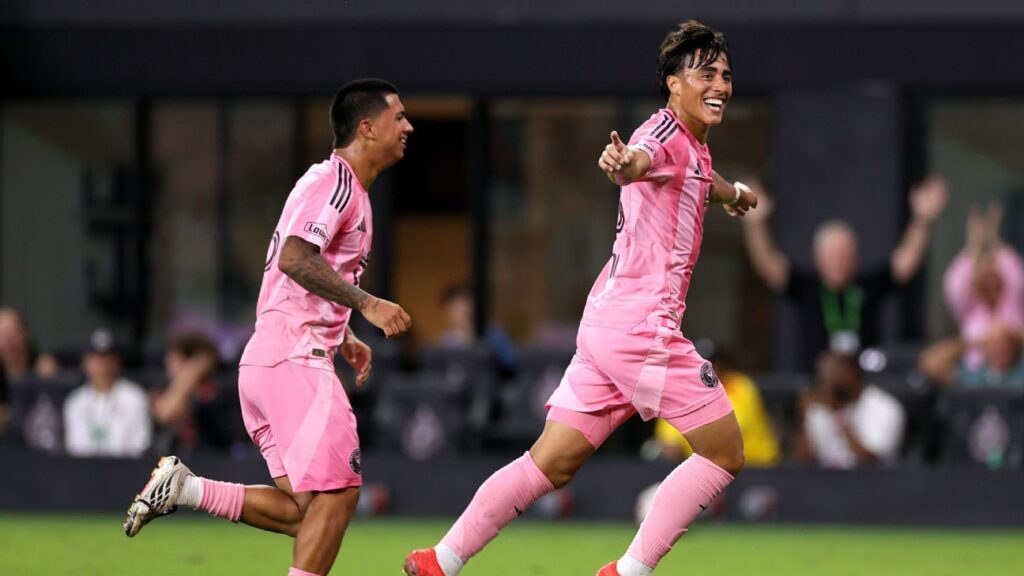
Alexander Shaw, a 19‑year‑old midfielder for Inter Miami, featured for the United States in the 2026 CONCACAF U‑20 Championship, impressing with his vision and work rate. According to ESPN, Colombian officials have already reached out to him, emphasizing his eligibility through his mother’s Colombian citizenship. The Colombian Football Federation (FCF) reportedly sent a delegation to Miami in early September, offering a clear pathway to the senior La Tricolor side and highlighting the nation’s upcoming Copa América preparations.
Colombia’s interest is part of a wider scouting drive that has seen the FCF target several U‑20 players with dual eligibility, especially those developing in MLS and European academies. Sources say the Colombian technical staff believes Shaw’s style—combining North American athleticism with a South American flair for ball control—fits the tactical blueprint of head coach Fernando Santos. If Shaw accepts, he would become the first player to switch from the U.S. youth set‑up to Colombia’s senior roster since the 2015 FIFA eligibility reforms.
The outreach has sparked debate among U.S. Soccer officials, who stress the importance of retaining talent nurtured within the American development system. A spokesperson for U.S. Soccer, speaking on condition of anonymity, warned that losing Shaw would be “a reminder that we must provide clear senior‑team opportunities for our youth prospects.” Meanwhile, Shaw’s own representatives have declined to comment publicly, leaving his ultimate decision shrouded in speculation.
Broader Stakes: How Talent Competition Impacts African Diaspora Players
The tug‑of‑war over Shaw mirrors a larger pattern affecting African‑heritage players born or raised abroad. Nations such as Nigeria, Ghana and Senegal have intensified scouting of their diaspora in Europe and North America, hoping to supplement domestic academies that often lack resources. When a European or American federation successfully courts a dual‑national, the African association may lose a potential senior‑team star and the associated commercial boost that comes with a larger global fan base.
For African diaspora communities, these recruitment battles have cultural resonance. A player’s choice can signal where they feel most represented, influencing identity politics within immigrant neighborhoods. In the United States, the growing number of African‑American players with eligibility for West African nations has sparked conversations about belonging, with some athletes opting for their ancestral homeland to honor family heritage, while others stay with the U.S. to maximize exposure in a higher‑profile federation.
Economically, the decision carries weight for both the player and the federations. African federations often rely on diaspora talent to improve tournament performance, which in turn unlocks prize‑money, sponsorships and broadcasting revenue. Missing out on a player like Shaw—who could have been a template for future African‑American midfielders—illustrates how competition from wealthier federations can widen the resource gap, prompting calls for CAF and individual African associations to create more attractive pathways for their diaspora athletes.
Looking Ahead: Choices, Consequences and the Future of Player Eligibility
FIFA’s 2020 amendment to the eligibility code allows a player who has only represented a nation at youth level to switch allegiance once, provided they meet citizenship requirements and file a one‑time switch before turning 21. Shaw, still 19, therefore retains the legal freedom to choose Colombia without jeopardising his U.S. youth caps. However, the timing of his decision will affect his exposure to upcoming senior tournaments; a prompt commitment to Colombia could see him called up for the 2027 Copa América, while staying with the United States might align him with the 2028 CONCACAF Gold Cup and the 2030 World Cup qualifiers.
Beyond the individual case, federations are adapting their talent pipelines. The United States is reportedly fast‑tracking promising dual nationals into senior friendlies to lock in their allegiance early, while Colombia is leveraging its recent Copa América success to promise immediate senior involvement. Both strategies reflect an arms race where early senior caps become a bargaining chip, a shift that could pressure African federations to adopt similar tactics to avoid losing future stars.
Ultimately, Shaw’s decision will be a barometer for how effectively the United States can retain its multicultural talent pool in the face of aggressive outreach from neighboring federations. For African football, the episode underscores the urgency of building stronger connections with diaspora players, offering clear developmental roadmaps, and ensuring that the emotional pull of heritage is matched by tangible sporting opportunities. The outcome may shape not only Shaw’s career but also the broader dynamics of player nationality in the global game.
Quick Answers
What national teams is Alexander Shaw eligible to play for?
Shaw can represent the United States, where he was born and holds citizenship, and Colombia, through his mother’s Colombian passport.
Can Shaw still switch after playing for the U.S. U‑20 team?
Yes, FIFA allows a one‑time switch for players who have only appeared at youth level, provided they file before turning 21.
Why are federations competing for dual nationals like Shaw?
Dual nationals offer a blend of talent and market appeal; securing them can improve squad depth, boost commercial revenue and strengthen a nation’s global football brand.
Source: www.espn.com




💬 Comments 0