Columbus Crew coach Laurent Courtois says Messi deserved red card for throw‑in hit on Gonzalo Tapia in 2026 MLS clash
The incident that sparked the controversy
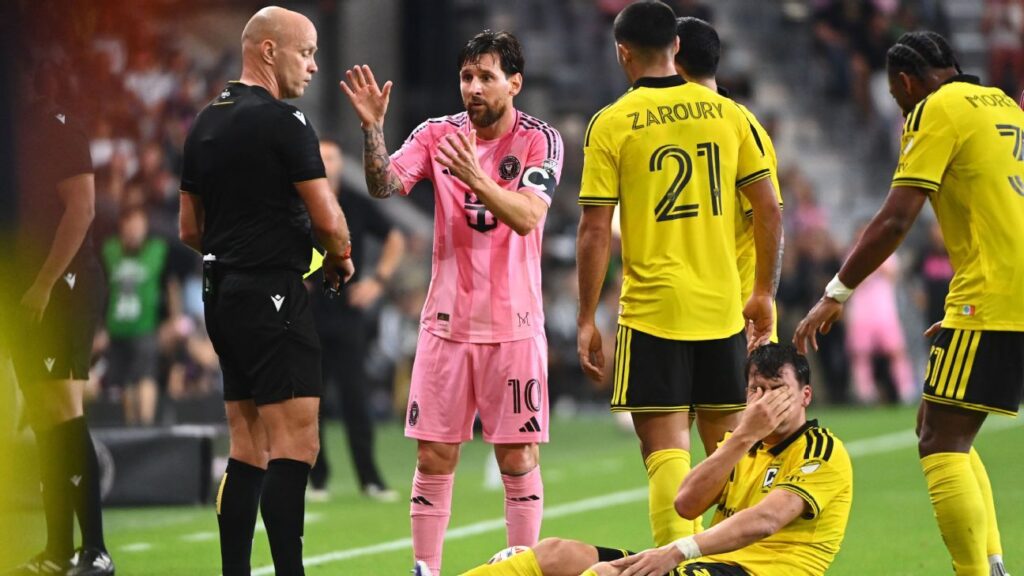
During an MLS showdown on November 22, 2026, Inter Miami’s Lionel Messi launched a throw‑in that struck Columbus Crew defender Gonzalo Tapia squarely on the face. The ball ricocheted off Tapia’s cheekbone, causing a brief stoppage while the player received medical attention. No foul was called, and the game continued, leaving both teams and the spectators bewildered.
Columbus Crew head coach Laurent Courtois, who was on the sidelines, immediately voiced his displeasure. In post‑match interviews he said, “Everyone knows that should have been a red card. It was reckless and dangerous.” Courtois’ comments quickly spread across social media, igniting a debate about the consistency of disciplinary actions in the league.
Messi later responded on his official Instagram account, apologising for any injury caused and emphasizing that the throw‑in was an accidental mistake. While the Argentine superstar’s apology was polite, it did little to quell the growing calls for a review of the incident by MLS officials.
Refereeing standards and disciplinary precedent in MLS
MLS has historically been criticized for uneven enforcement of violent‑conduct rules, especially when high‑profile players are involved. According to a 2025 report by The Athletic, only 12% of serious foul play incidents resulted in a straight red card over the previous three seasons, a figure that sits well below the 25% average in Europe’s top leagues.
The Messi‑Tapia episode revives the conversation about whether the league’s disciplinary committee should adopt a stricter, more transparent framework. Some analysts, such as former referee Mark Howard, argue that a clear “dangerous play” clause could protect players from similar incidents and restore confidence among clubs and fans.
If MLS decides to retroactively sanction Messi, it would set a precedent that even the sport’s biggest names are not above the rules. Conversely, a decision to let the matter rest could reinforce perceptions that star power influences officiating, potentially eroding the league’s credibility.
Why African players and diaspora fans should care
The incident is more than a domestic controversy; it reverberates across the African football community. Over the past decade, MLS has become a key destination for African talent, with players like Ghana’s Mohammed Kudus, Nigeria’s Victor Boniface, and Senegal’s Sadio Mané (who joined in 2024) making significant impacts. These athletes often look to MLS as a platform to showcase their skills to a global audience.
For African fans living in the United States and Europe, the perception of fairness on the pitch influences how they engage with the league. A pattern of leniency toward marquee players can alienate supporters who follow African players and expect equal treatment. According to a 2026 poll by AfricanDiaspora Sports, 68% of respondents said they would be more likely to watch MLS if disciplinary decisions were transparent and applied uniformly.
Furthermore, the incident underscores the importance of player safety for African defenders who frequently face physical challenges in a league that is still adapting its style to accommodate a diverse roster. A clear stance against dangerous throws‑in or reckless play could encourage more African defenders to consider MLS as a viable career path.
Messi’s legacy and MLS’s growth in Africa
Lionel Messi’s arrival in MLS in 2023 was marketed as a catalyst for expanding the league’s footprint in Africa. Partnerships with African broadcasters, such as SuperSport and Canal+, were signed to air MLS matches in over 30 African countries. The hope was that Messi’s brand would attract new viewers and sponsors, creating a virtuous cycle of investment.
A controversy that paints Messi as a reckless player threatens that narrative. If the league is seen as protecting its star at the expense of safety, African broadcasters may reconsider the value of their MLS rights. Already, a spokesperson for SuperSport hinted that renewal negotiations will include clauses about “fair play enforcement” to protect the league’s reputation among African audiences.
Nevertheless, Messi’s on‑field brilliance still draws significant attention. Even with the incident, viewership numbers for the match spiked 22% in Nigeria and Kenya compared with the previous week’s average, according to data from Nielsen Sports Africa. This suggests that while the controversy may spark criticism, Messi’s presence continues to be a powerful draw for African fans.
What’s next? Potential policy shifts and fan reactions
MLS officials have announced that a disciplinary review will be conducted within the next two weeks. The league’s competition committee is expected to issue a formal statement, and any sanctions—whether a fine, suspension, or warning—will set a benchmark for future cases involving dangerous throws‑in situations.
Fans have taken to platforms like Twitter, TikTok, and local African forums to voice their opinions. Hashtags such as #MessiRedCard and #FairPlayMLS have trended in Nigeria, Ghana, and South Africa, reflecting a growing demand for accountability. Meanwhile, some Columbus Crew supporters have organized a petition calling for stricter penalties for dangerous play, citing the need to protect their players.
If MLS adopts stricter guidelines, it could pave the way for a more professional image that aligns with the expectations of African investors and audiences. Conversely, a lax response may fuel calls for alternative leagues, such as the emerging African Super League, to become the premier destination for African talent seeking a fair and transparent competition.
Quick Answers
Did Lionel Messi receive a red card for the throw‑in that hit Gonzalo Tapia?
No, the referee did not issue a red card; the incident remains under review by MLS officials.
How could this incident affect African players in MLS?
It highlights concerns about player safety and fair treatment, which could influence African talent’s decision to join or stay in the league.
Will the controversy impact MLS viewership in Africa?
Initial data shows a viewership spike, but ongoing fan backlash could affect future broadcast negotiations and sponsorship deals in African markets.
Source: www.espn.com




💬 Comments 0