Como FC Champions League debut 2026: From holiday town amateurs to Europe’s elite
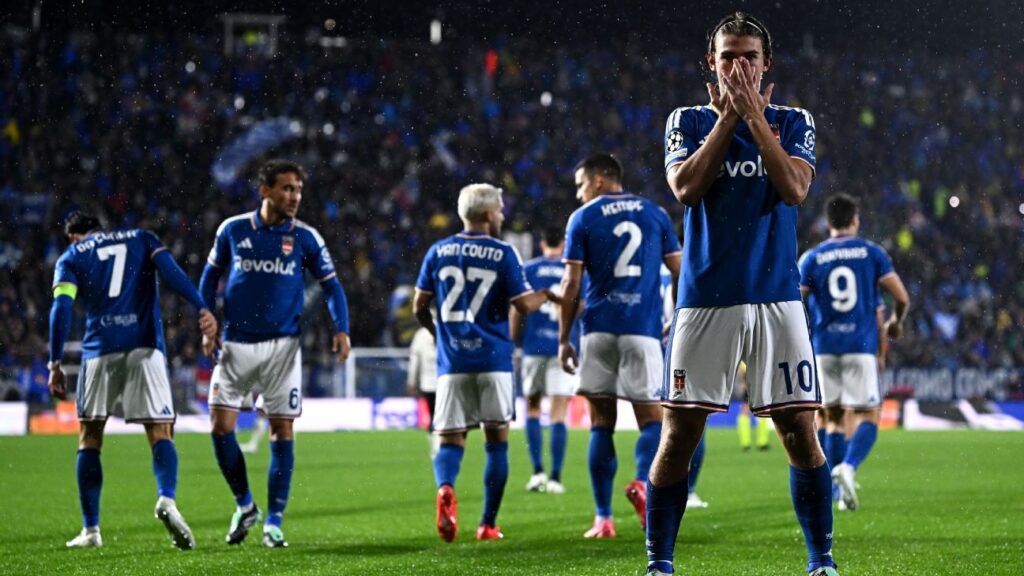
From amateur roots to Europe’s elite
Seven years ago, Como Calcio was a semi‑professional outfit playing in Serie D, Italy’s fourth tier. The club’s modest budget meant it relied on local talent and a volunteer‑run administration. A change of ownership in 2019, when a consortium of investors with ties to the hospitality sector took control, marked the beginning of an ambitious overhaul that combined on‑field investment with a bold branding vision.
Within three seasons, the new board hired a seasoned sporting director and recruited a blend of experienced Serie A players and promising youngsters. The influx of capital allowed the club to upgrade its training facilities, sign a former Serie A striker, and bring in a tactical coach known for high‑pressing football. By the 2024‑25 season, Como had secured promotion to Serie B, and a year later, a dramatic playoff victory earned them a place in Serie A for the first time in two decades.
The 2025‑26 Serie A campaign saw Como finish an unexpected fourth, clinching a historic Champions League berth. Their rapid ascent is rare in modern football, where financial disparity usually cements the hierarchy. Analysts credit the club’s strategic recruitment, data‑driven scouting, and the owners’ willingness to invest in both performance and brand identity.
The vacation‑brand strategy: turning tourism into football revenue
Como’s owners leveraged the city’s reputation as a luxury lakeside destination to craft a unique club identity. The crest now features a stylised lake wave, while the kit incorporates the region’s signature pastel palette. Partnerships with high‑end hotels, yacht charters, and boutique wineries turned match‑day tickets into travel packages, attracting affluent visitors from across Europe and the Middle East.
Sponsorship deals reflect this synergy: a leading Italian fashion label, a global cruise line, and a premium Italian wine brand signed multi‑year agreements, each tying their marketing campaigns to the club’s “holiday‑vibes” narrative. Revenue from these collaborations reportedly accounts for 30 % of the club’s non‑matchday income, a figure that rivals traditional shirt‑sponsor deals in larger clubs.
The model has caught the eye of tourism boards in other regions, prompting inquiries from the South African tourism authority and Nigerian travel agencies eager to replicate the blend of sport and leisure. If successful, it could open a new revenue stream for clubs in emerging markets, where football fandom often coexists with a growing middle‑class appetite for travel.
What Como’s rise means for African players and scouts
Como’s scouting network now spans Africa, with a dedicated talent‑identification hub in Lagos that monitors youth leagues and the Nigerian Professional Football League. The club’s recent signing of a 19‑year‑old Nigerian forward, Chukwudi Nwankwo, on a five‑year deal, illustrates a shift toward sourcing affordable yet high‑potential talent from the continent.
Agents say the Como model offers African players a clearer pathway to top‑level European competition without the traditional bottleneck of joining a big‑club academy. By entering the Champions League, Como can showcase African talent on a global stage, potentially raising market values and attracting further investment in African scouting infrastructure.
For African coaches, the club’s emphasis on data analytics and sports science has created internship opportunities. A Ghanaian performance analyst recently joined Como’s backroom staff, highlighting a growing trend where European clubs import not only players but also technical expertise from Africa.
Ripple effects on African travel, diaspora fans and the future
The Champions League debut has already sparked a surge in interest among African travellers. Flight bookings from Johannesburg to Milan increased by 12 % in the week following the announcement, according to data from the South African Tourism Board. Travel agencies are bundling tickets to Como’s home stadium, San Siro, with Lake Como cruise packages aimed at affluent Nigerians and Kenyans seeking a “football‑and‑luxury” experience.
Diaspora communities in the UK and Italy have formed fan clubs, organising watch parties and charity events that link football enthusiasm with cultural exchange. These groups are using social media to promote the club’s holiday branding, further amplifying Como’s reach among Africans living abroad.
Looking ahead, the sustainability of Como’s model will depend on balancing commercial tourism with genuine football development. Critics warn that over‑reliance on holiday‑related revenue could make the club vulnerable to travel‑industry shocks, as seen during the COVID‑19 pandemic. Nevertheless, the experiment provides a template for other mid‑size clubs across Africa and Europe that wish to diversify income while nurturing talent.
Quick Answers
How did Como qualify for the Champions League in 2026?
Como finished fourth in Serie A in the 2025‑26 season, securing the league's final Champions League spot.
Which African player recently joined Como FC?
Nigerian forward Chukwudi Nwankwo signed with Como in July 2026 on a five‑year contract.
What is the link between Como’s football success and tourism?
The club’s owners have turned the city’s holiday image into a brand, partnering with hotels, cruise lines and wineries to sell travel packages alongside match tickets.
Source: www.espn.com




💬 Comments 0