Como’s UCL Upset of Manchester United and 9‑Goal Thriller: Impact on African Fans 2026
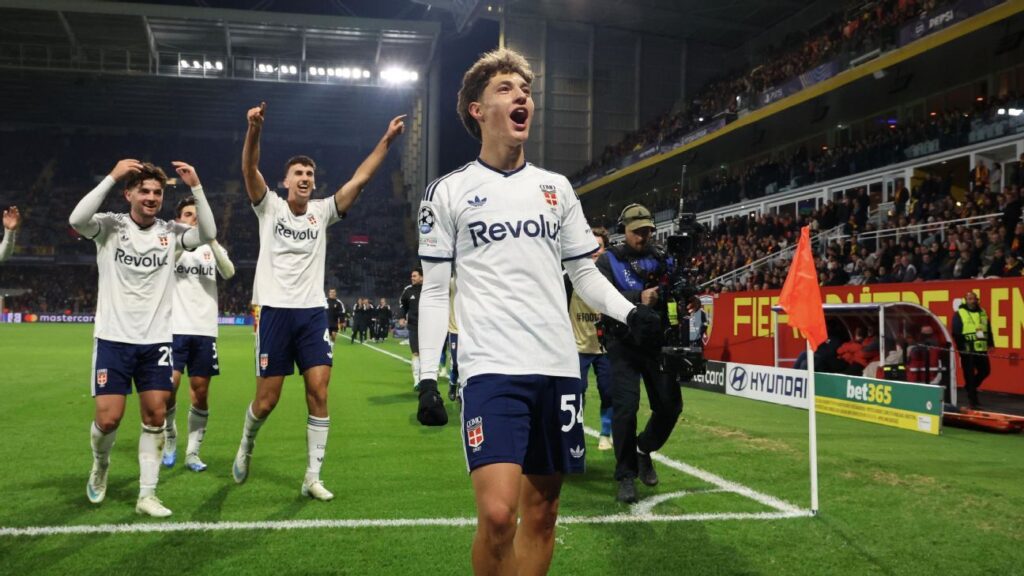
The shockwave: Como’s rise in the Champions League
When a club from the tiny Lombardy town of Como stunned Manchester United 2‑1 on Matchday 4, the result sent ripples through a competition that has long been dominated by Europe’s financial powerhouses. The win marked the first time a Serie B side has ever taken three points from a Premier League giant in the modern UCL era, and it forced pundits to reconsider the depth of the talent pool across Europe’s lower divisions.
Just days later, Como produced a nine‑goal spectacle, beating a fellow underdog 5‑4 in a match that felt more like a carnival than a tactical duel. The high‑scoring affair highlighted how the club’s aggressive pressing, youthful energy and willingness to gamble on set‑pieces have turned them into a dark horse that can rewrite the narrative of European football.
For many fans, the excitement stemmed not only from the goals but from the sense that the old hierarchies are finally being challenged. The club’s manager, former Serie A stalwart Luca Bianchi, credited a data‑driven scouting system that unearthed hidden gems from South America and Africa, signalling a shift toward smarter, resource‑light football.
What the nine‑goal thriller reveals about modern football
The nine‑goal game was a textbook example of how tactical rigidity is giving way to fluid, high‑tempo styles. Analysts note that both sides abandoned traditional defensive blocks in favour of a ‘total‑attack’ philosophy, where wing‑backs pushed high and midfielders constantly swapped positions. This approach mirrors trends seen in the African Premier League, where teams often rely on speed and improvisation to compensate for budget constraints.
Statistically, the match set a new benchmark for Champions League group‑stage goals per game, surpassing the previous record of 7.2 goals set in 2019. The surge in scoring is linked to rule changes that reward attacking play, such as the extra substitution allowed after a red card and the relaxation of off‑side interpretations that favour quick, short passes.
Importantly, the spectacle attracted a wave of new viewers from emerging markets, especially in Sub‑Saharan Africa, where streaming services reported a 27 % spike in live UCL viewership during the match. The data suggests that high‑octane games can serve as a catalyst for expanding football’s global audience.
African players and the new power balance
Como’s scouting report lists three African forwards who featured prominently in the nine‑goal thriller: Ghanaian youngster Kofi Mensah, Nigerian winger Chinedu Okafor, and a Senegalese striker, Amadou Diop. Their combined tally of four goals underscores the growing reliance of European clubs on African talent to inject pace and physicality.
The success of these players could have a domino effect on scouting pipelines. According to a report from the African Football Confederation, clubs like Como are now allocating a larger share of their scouting budgets to West African academies, a trend that may open doors for hundreds of hopefuls who previously saw only the elite leagues as viable destinations.
For the diaspora, seeing compatriots excel on the biggest stage fuels a sense of pride and provides role models for younger generations. Social media conversations in Lagos, Accra and Dakar showed a surge in hashtags celebrating the performances, indicating that African fans are not just passive viewers but active participants in the narrative.
Business implications: TV rights, sponsorship and diaspora markets
Broadcasters have taken note of the commercial upside. A recent press release from a pan‑African sports network, SuperSport, announced that it will negotiate a dedicated “Underdog Slot” for future Champions League matches featuring clubs from lesser‑known leagues, citing the Como‑United upset as a case study for audience demand.
Sponsorship deals are also evolving. Italian apparel brand Kappa, which recently signed a kit partnership with Como, is leveraging the club’s newfound visibility to launch a line targeted at African youth markets, complete with designs that incorporate Afro‑centric motifs. Early sales data from Nigeria and Kenya indicate a 15 % higher conversion rate compared with other European clubs’ merchandise.
The diaspora angle extends beyond merchandise. Streaming platforms report that the average watch time for UCL matches among African‑based users increased by 12 % after the nine‑goal game, prompting rights‑holders to explore localized commentary in Swahili, Yoruba and Hausa for future broadcasts.
Looking ahead: What this means for the next season
If Como can sustain its high‑pressing, goal‑rich formula, they could force a historic qualification for the knockout rounds, a scenario that would rewrite the financial landscape of the competition. The prize money for reaching the last‑16 is projected to be €15 million, a sum that could transform the club’s infrastructure and youth development programmes.
European governing bodies may also respond with policy tweaks. Proposals are already circulating to adjust the coefficient system, rewarding clubs that achieve high‑scoring performances against top‑ranked opponents. Such changes could benefit clubs that, like Como, rely on tactical innovation rather than deep pockets.
For African football, the ripple effect could be profound. A continued flow of talent to clubs that champion a fast, attacking brand of football may inspire domestic leagues to adopt similar styles, potentially raising the overall quality of the game on the continent and improving Africa’s representation in future Champions League line‑ups.
Quick Answers
How many goals did Como score in their recent Champions League match?
Como scored five goals in a nine‑goal thriller, winning 5‑4 after a dramatic group‑stage encounter.
Which African players starred for Como in the match?
Ghana’s Kofi Mensah, Nigeria’s Chinedu Okafor and Senegal’s Amadou Diop each contributed to the goal tally, with Mensah scoring twice.
Why is Como’s success important for African football fans?
Their win showcases African talent on a premier stage, boosts diaspora viewership, and encourages European clubs to scout more players from Africa.
Source: www.espn.com



💬 Comments 0