Conor Coady retires at 33 in 2026 after leaving Wrexford: former England defender ends career
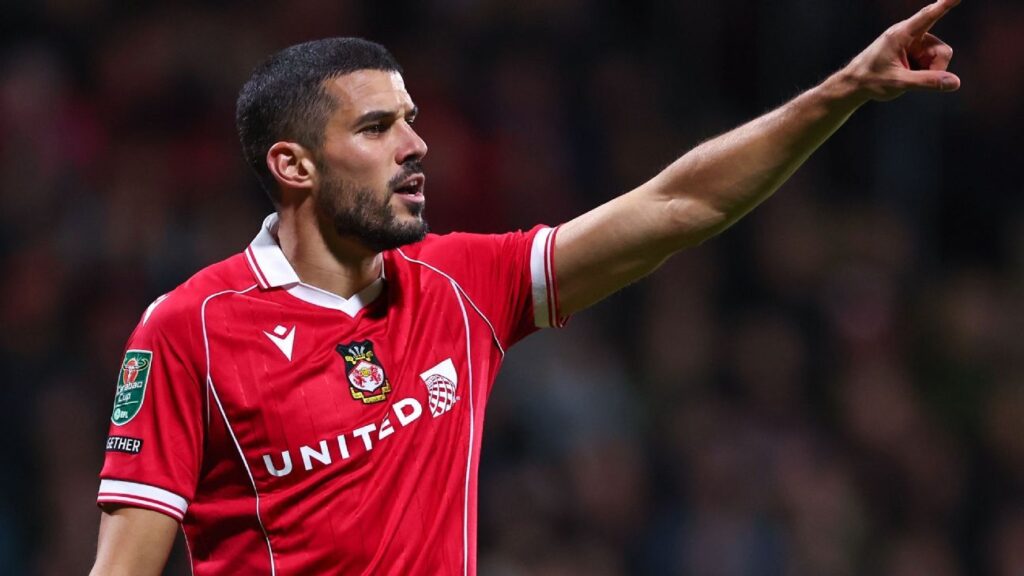
From Premier League regular to unexpected exit
Conor Coady rose through the ranks at Wolverhampton Wanderers, becoming a mainstay in a defence that helped the club secure a Champions League spot in 2019. His composure on the ball and leadership qualities earned him the captain’s armband and a call‑up to the England squad, where he earned 10 caps between 2020 and 2022. The defender’s career seemed set on a steady upward trajectory, with a reputation for reliability that made him a favourite among managers who prized tactical discipline.
After a spell at Everton that ended in relegation, Coady signed a short‑term contract with Wrexham in the lower leagues, hoping to add experience to the ambitious club owned by Hollywood investors. The move was widely seen as a step down, but it also gave him a chance to mentor younger players and enjoy a less pressurised environment. In his 12 appearances for the Welsh side, he demonstrated the same professionalism that defined his Premier League years, even as the team pushed for promotion.
The sudden announcement of his retirement on 6 November 2026 caught many fans off guard. While the decision was delivered via a brief statement on social media, the tone was reflective rather than regretful: “I have lived the dream and now it’s time for a new challenge.” The timing, just months after his Wrexford contract expired, suggests a personal calculation rather than a forced exit.
The decision to hang up the boots
Coady cited a combination of physical wear and a desire to explore life beyond the pitch. At 33, he had endured several serious injuries, including a hamstring tear that kept him sidelined for three months during his Everton tenure. Sports physiologists note that defenders often face a higher cumulative load due to aerial duels and tackles, which can accelerate the decline in pace and agility.
In an interview with the BBC, Coady explained that he wanted to “preserve the memories of playing at the highest level” rather than risk a prolonged period of diminished performance. He also mentioned his growing interest in coaching badges, a path many former players take to stay connected to the game. Sources close to the player say he has already begun a UEFA B licence course, hinting at a possible future on the sidelines.
Family considerations played a role as well. Coady’s wife, a former professional athlete herself, has spoken publicly about the challenges of balancing a nomadic football life with raising two young children. The decision to retire in the UK, rather than pursue a late‑career move to a foreign league, reflects a desire for stability and proximity to his support network.
What Coady's retirement signals for English defenders
Coady’s exit arrives at a moment when England is grappling with a shortage of defensively‑minded centre‑backs who can lead from the back. The national team’s recent performances have highlighted a reliance on younger, more physically dynamic players, but the lack of seasoned leaders has been a recurring critique from pundits. According to The Guardian, the retirement of a player with Coady’s experience may accelerate the push for clubs to develop leadership qualities earlier in academy prospects.
The move also underscores a broader trend of English defenders opting for earlier transitions into coaching or media roles. Former England right‑back Ashley Cole retired at 38 but only entered punditry after a lengthy hiatus, whereas younger contemporaries such as James Tarkowski are already enrolling in coaching courses. Coady’s swift pivot could set a benchmark for future players who wish to blend on‑field credibility with off‑field expertise.
From a market perspective, his departure frees up a slot in the transfer market that could be filled by emerging talent from the English lower leagues or, increasingly, by African defenders seeking a foothold in Europe. Scouts have noted a surge in interest for physically robust centre‑backs from Nigeria, Ghana, and South Africa, where the blend of athleticism and tactical discipline mirrors Coady’s own profile.
African and diaspora perspectives on the Premier League talent pipeline
While Coady’s career is rooted in the British system, his retirement resonates with African players and coaches who view the Premier League as the pinnacle of professional football. The league’s recent emphasis on scouting African academies, especially in West Africa, means that each vacancy at the top creates new opportunities for talent from the continent. According to a report by the African Football Confederation, the number of African defenders signed by English clubs rose by 12 % in the 2025‑26 season.
Diaspora communities across the UK and Nigeria have followed Coady’s journey, often comparing his disciplined style to that of Nigerian stalwarts like Joseph Yobo. Social media threads from Lagos to Manchester have highlighted how Coady’s consistency offers a blueprint for African defenders aiming to break into the Premier League: prioritize positional awareness, develop ball‑playing ability, and maintain professionalism off the pitch.
Coady’s move into coaching could also open doors for African coaches seeking mentorship. If he secures a role within a youth academy or takes up a position with a club’s development squad, he may become a conduit for African prospects who need exposure to English tactical philosophies. Such cross‑cultural exchanges have historically enriched both sides, as seen when former Ghanaian midfielder John Mensah joined coaching staff at a Championship side in 2024.
Looking ahead: coaching, punditry, and the next chapter
The immediate future for Coady appears to be a blend of coaching education and media work. He has already been invited as a guest analyst on Sky Sports for a few England fixtures, where his calm demeanor and tactical insight have been well received. Industry insiders suggest that his analytical style could translate into a regular pundit slot, especially as broadcasters look for former players who can break down defensive strategies for a broad audience.
On the coaching front, Coady’s enrolment in the UEFA B licence indicates a long‑term ambition to manage at the professional level. Former Wolves manager Nuno Espírito Santo, who mentored Coady during his early years, reportedly praised the defender’s “football IQ” and hinted that he could be considered for a coaching role within Wolves’ academy. Such a pathway would align with the club’s renewed focus on home‑grown talent and could see Coady shaping the next generation of English defenders.
Beyond the professional realm, Coady has expressed a desire to give back to grassroots football in his hometown of Liverpool. He plans to launch a charitable foundation aimed at providing equipment and coaching scholarships to under‑privileged youth. If realised, the initiative could have a ripple effect across Merseyside and, by extension, inspire similar projects in African cities where football infrastructure remains under‑funded.
Quick Answers
Why did Conor Coady retire at 33?
Coady cited recurring injuries, a wish to preserve his playing legacy, and a growing interest in coaching and family stability as reasons for retiring.
What could Coady's retirement mean for English defenders?
His exit highlights a leadership gap in England’s back line and may accelerate clubs’ focus on developing younger, tactically‑aware centre‑backs, including scouting talent from Africa.
Will Conor Coady move into coaching or media?
Yes, he has started a UEFA B coaching licence and has already appeared as a pundit on Sky Sports, indicating a dual path toward coaching and broadcasting.
Source: www.espn.com




💬 Comments 0