Daniel Dubois KO’s Fabio Wardley in 2nd Round at O2 Arena – What It Means for UK Boxing and African Heavyweights in 2026
Background: The Rise of Dubois and Wardley
Daniel Dubois entered the fight as a 27‑year‑old British heavyweight with a perfect 20‑0 record, having claimed the WBA (Regular) title earlier in the year with a dominant performance over former champion Trevor Bryan. His power‑punching style and charismatic media presence have made him a poster boy for the UK’s renewed heavyweight boom.
Fabio Wardley, meanwhile, was the defending WBC interim champion who earned his spot by rattling off a string of knock‑outs across the European circuit. The first meeting in March 2026 ended in a controversial split‑decision win for Dubois, prompting calls for a decisive rematch to settle the rivalry once and for all.
Both fighters have cultivated sizable followings among the African diaspora in Britain, especially in cities like London, Birmingham and Manchester, where boxing clubs run by Nigerian and Ghanaian coaches have produced a new generation of heavy‑hitters eager to emulate their idols.
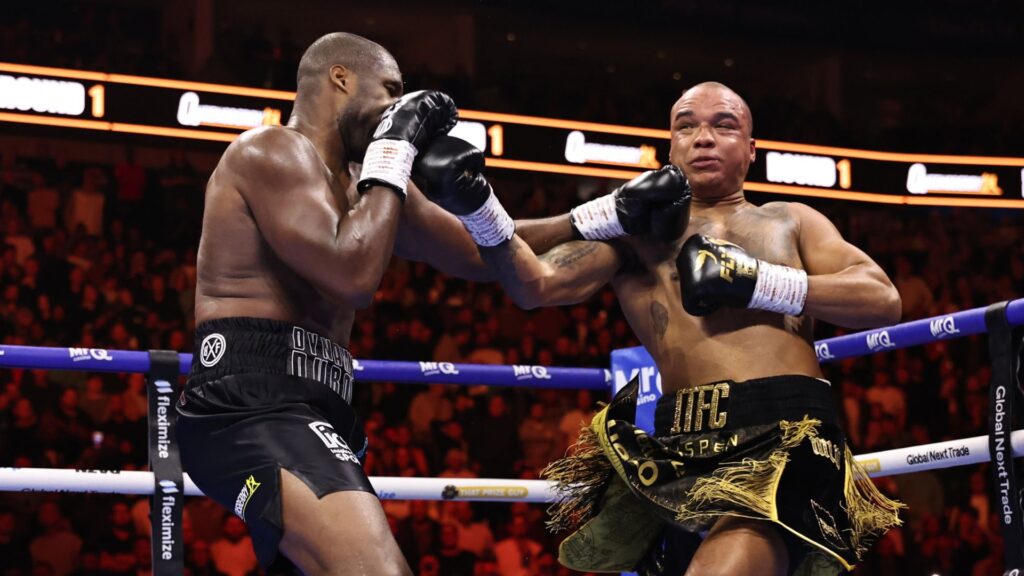
The Rematch: What Unfolded at the O2 Arena
On 17 October 2026, the O2 Arena was packed beyond capacity, with ticket sales reportedly hitting a record £6.3 million for a British heavyweight bout. The atmosphere turned electric in the second round when Dubois landed a crushing left hook that sent Wardley sprawling, prompting the referee to stop the contest at 1:47.
Post‑fight analysis highlighted Dubois’ improved head movement and timing, aspects he had been criticized for in the first encounter. Wardley’s camp, however, argued that a single knock‑out does not erase the tactical adjustments he made during the earlier rounds, suggesting a future trilogy could still be on the cards.
Broadcast figures from Sky Sports indicated a peak audience of 4.2 million viewers in the UK, while streaming platforms reported a surge of 1.8 million concurrent streams from Africa and the Caribbean, underscoring the global pull of heavyweight boxing.
Why the Knockout Matters for British and Global Boxing
Dubois’ emphatic victory re‑energises the narrative of a British heavyweight renaissance that began with Tyson Fury and Anthony Joshua. Promoters are now fast‑tracking Dubois toward a unification bout, a move that could generate upwards of £30 million in pay‑per‑view revenue if it pits him against Fury or Joshua later in 2027.
The fight also illustrates how heavyweight boxing is becoming a cross‑continental product. Betting operators in Nigeria and South Africa reported a 27 % rise in wagers on the bout compared with the previous month, indicating that African markets are no longer peripheral but central to the sport’s commercial engine.
From a sporting perspective, the knockout showcases the continuing evolution of the heavyweight division away from pure size toward a blend of speed, technique and raw power—a formula that resonates with younger fans across Europe, the Middle East and Sub‑Saharan Africa.
African Connections: Opportunities for the Continent’s Heavyweights
The heightened viewership from African nations has prompted several promoters to scout talent in Lagos, Accra and Nairobi. In fact, the British‑African boxing federation announced a partnership with the O2 Arena to host a “African Heavyweight Showcase” in early 2027, aiming to give rising stars a platform alongside established UK fighters.
Boxers such as Nigerian‑born Tyson Fury‑cousin Michael “The Lion” Olatunji and Ghanaian prospect Kwame “The Hammer” Mensah have already been linked to undercards at major UK venues, a development that could translate into sponsorship deals from telecom giants like MTN and Safaricom, which are eager to tap into the sport’s growing fan base.
Moreover, the financial windfall from Dubois’ win is expected to ripple through diaspora‑run gyms in the UK, many of which rely on membership fees from African communities. Increased interest in heavyweight training could see a rise in enrollment, further cementing the sport’s grassroots foothold on the continent.
Looking Ahead: What This Fight Signals for 2027 and Beyond
Industry insiders predict that Dubois will now target a unification clash with either Tyson Fury or Anthony Joshua before the end of 2027, a bout that could be staged in Dubai or Johannesburg to maximise global ticket sales and broadcast revenue. Such a location would also serve as a symbolic nod to the sport’s expanding African audience.
For Wardley, the loss may prompt a strategic pivot toward rebuilding his brand in the European circuit, possibly taking on emerging African contenders to re‑establish his knockout reputation. A successful comeback could set up a third meeting that would keep the rivalry alive and maintain fan engagement across two continents.
Ultimately, the O2 knockout underscores a broader shift: heavyweight boxing is no longer a Euro‑centric spectacle but a worldwide carnival where African markets, fighters and fans are integral to the narrative. How promoters, broadcasters and sponsors adapt to this reality will shape the sport’s commercial trajectory for years to come.
Quick Answers
Who won the Dubois vs Wardley rematch and how quickly?
Daniel Dubois knocked out Fabio Wardley in the second round at the O2 Arena on 17 October 2026.
What impact does the fight have on African boxing markets?
The bout spiked viewership and betting activity in Africa, prompting promoters to plan African heavyweight showcases and attracting sponsorship interest from continental brands.
When is Dubois likely to fight for a heavyweight unification title?
Analysts expect a unification fight for Dubois in late 2027, potentially against Tyson Fury or Anthony Joshua, with a venue that could include Dubai or Johannesburg.
Source: www.skysports.com




💬 Comments 0