David Silva scores on comeback for Hong Kong’s Supreme Sha Tin, sparks Asian market shift 2026
A surprise return that caught the football world off guard
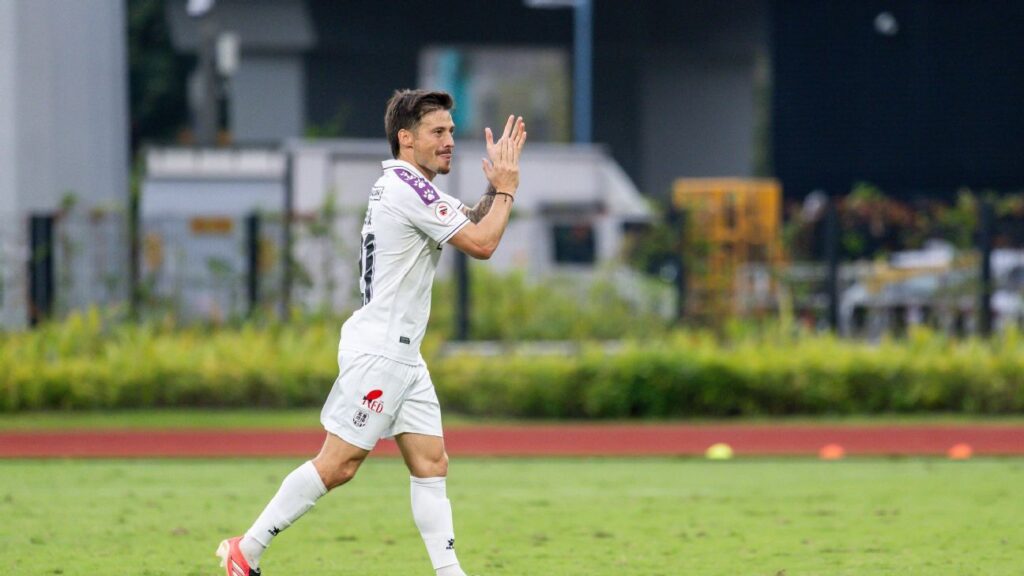
When former Manchester City maestro David Silva stepped onto the pitch for Hong Kong's Supreme Sha Tin on 7 November 2026, few expected the Spanish playmaker to abandon his retirement. After hanging up his boots in 2023, Silva had spent the intervening years as a pundit and occasional ambassador for the sport. Yet the lure of a new challenge in Asia proved irresistible, prompting a short‑term contract that saw him debut against local rivals in a tightly contested league match.
Silva's impact was immediate. Within the first half‑hour he found space on the right flank, cut inside and unleashed a low‑driven finish that slipped past the goalkeeper. The goal not only secured a 2‑1 victory for Supreme Sha Tin but also earned Silva the player‑of‑the‑match award, a rare accolade for a player returning from retirement. Fans in the stadium erupted, and social media platforms lit up with clips of the moment, quickly amassing millions of views.
The significance of this cameo goes beyond the individual brilliance of a former Premier League star. It highlights a growing willingness among elite European footballers to explore emerging markets in Asia, a trend that could reshape the global football economy. Silva’s move mirrors recent signings by other ex‑stars in the Chinese Super League and Japanese J‑League, signaling a shift in where top‑tier talent chooses to ply their trade.
Why Asian clubs are courting retired European stars
Asian leagues have been investing heavily in infrastructure, broadcasting rights and youth academies over the past decade. By attracting marquee names like Silva, clubs hope to boost ticket sales, secure lucrative sponsorships and raise the profile of their domestic competitions on the world stage. According to a report from the Asian Football Confederation, viewership for league matches featuring former European internationals has risen by 38% in the last two seasons.
For clubs such as Supreme Sha Tin, the financial calculus is straightforward. A single high‑profile player can draw larger crowds, increase merchandise revenue and attract foreign investors eager to tap into the region’s growing consumer base. In turn, these clubs can allocate more resources to scouting and developing local talent, creating a virtuous cycle that benefits the broader football ecosystem in Hong Kong and neighboring markets.
The strategy also serves a diplomatic purpose. By signing globally recognised players, Asian football associations can leverage soft power, forging stronger ties with European federations and enhancing their bargaining position in negotiations over international fixtures and broadcasting deals. This geopolitical dimension adds another layer to why clubs are willing to stretch their budgets for short‑term contracts with retired stars.
Implications for African players and the diaspora
African footballers have long looked to Europe as the pinnacle of professional advancement, but the expanding Asian market offers an alternative pathway. The visibility generated by Silva’s debut could encourage Asian clubs to scout more actively in Africa, where talent is abundant but often under‑exposed. Already, several Hong Kong clubs have begun partnerships with academies in Nigeria and Ghana, aiming to tap into the continent’s youth pipeline.
For the African diaspora living in Hong Kong, Silva’s appearance is more than a novelty; it validates their presence in a city where football culture is still maturing. Community groups have organised viewing parties and cultural events around the match, blending African rhythms with Hong Kong street food, thereby fostering a hybrid fan experience. This cultural exchange underscores how a single player’s move can bridge continents and create new spaces for diaspora engagement.
From a commercial perspective, African brands see an opportunity to ride the wave of heightened attention. Companies such as Nigerian telecom giant MTN and South African sportswear label Kappa have already expressed interest in co‑branding campaigns that feature both African athletes and Asian clubs. If these collaborations materialise, they could generate significant revenue streams for African businesses and increase the visibility of African football on Asian screens.
Reactions from the football community and media
The response from former teammates and coaches has been overwhelmingly positive. Pep Guardiola, who managed Silva at Manchester City, praised the Spanish midfielder’s professionalism, noting that “his football IQ remains world‑class, regardless of the league.” Meanwhile, Hong Kong’s Football Association lauded the signing as a milestone for the region’s sporting ambitions, promising to leverage the momentum to secure more high‑profile fixtures.
Western media outlets have framed the story as a curiosity, focusing on the novelty of a retired star returning to play. In contrast, Asian and African press have highlighted the broader economic and cultural ramifications. The South African newspaper *Times* ran a feature on how Silva’s move could inspire a new generation of South African players to consider Asian leagues as viable career options, while the *Hong Kong Economic Journal* examined the potential boost to local tourism.
Fans on platforms such as Twitter and Weibo have sparked debates about the fairness of signing retired stars versus investing in homegrown talent. Some argue that the practice could limit opportunities for local players, while others contend that the exposure and financial influx ultimately benefit the domestic game. This discourse reflects a larger global conversation about balancing star power with sustainable development.
What’s next for Silva and the Asian football landscape?
Silva’s contract with Supreme Sha Tin runs until the end of the 2026–27 season, with an option for a short extension should both parties agree. Sources close to the club suggest that the midfielder is also being consulted on coaching methods, potentially laying the groundwork for a future technical director role. This dual‑track approach could see him transition from on‑field contributions to off‑field mentorship, further embedding European expertise in the region.
The ripple effect of his comeback may accelerate the trend of short‑term, high‑impact signings across Asia. Analysts predict that within the next two years, at least five former Premier League internationals could appear in leagues ranging from the Indian Super League to the Saudi Professional League. Such movement is likely to reshape transfer market dynamics, with agents and clubs negotiating increasingly creative contracts that balance playing time, branding rights and community outreach.
For African stakeholders, the key takeaway is to monitor these developments closely and position themselves to benefit. Whether through scouting partnerships, sponsorship deals or diaspora engagement initiatives, the intersection of European retiree talent and Asian ambition presents a fertile ground for growth. As Silva’s goal reminded the world, football’s reach is ever‑expanding, and those who adapt will reap the rewards.
Quick Answers
When did David Silva score his comeback goal for Supreme Sha Tin?
Silva scored on 7 November 2026 in his debut match for Hong Kong side Supreme Sha Tin.
How could David Silva's move to Hong Kong affect African footballers?
The heightened visibility may encourage Asian clubs to scout more African talent and open new sponsorship opportunities for African brands.
What is the length of David Silva's contract with Supreme Sha Tin?
Silva signed a contract that runs until the end of the 2026‑27 season, with a possible short extension.
Source: www.espn.com




💬 Comments 0