Dejan Kulusevski returns after 526‑day injury layoff as Tottenham beat Coventry 2‑0 in 2026
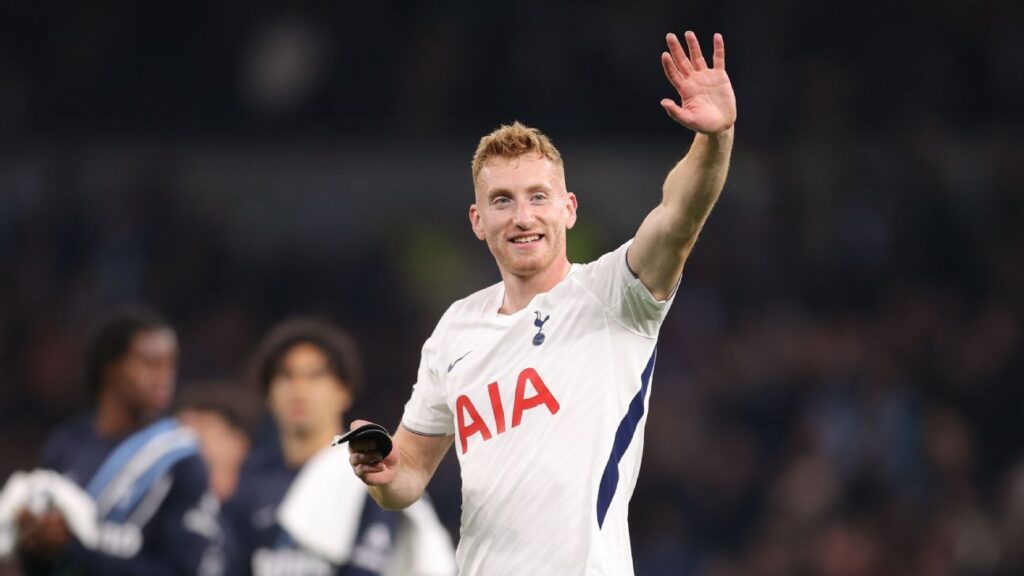
From prodigy to sidelined: Kulusevski’s injury saga
Dejan Kulusevski burst onto the European scene as a versatile winger for Juventus before moving to Tottenham in 2022. His pace, technical skill and knack for scoring from midfield made him a fan favourite and a key component of Ange Postecoglou’s attacking blueprint.
In September 2025 the Swedish international suffered a severe hamstring tear during a Champions League qualifier. The injury required surgery and a prolonged rehabilitation programme, keeping him out of action for 526 days – the longest continuous absence of any Tottenham outfield player in the club’s modern era.
The comeback match: Tottenham 2‑0 Coventry
Kulusevski made his first competitive appearance on 21 October 2026, coming on as a second‑half substitute in a 2‑0 win over Coventry City in the EFL Cup. He completed 18 passes, created one chance and celebrated the team’s second goal with a quick, incisive run that hinted at his pre‑injury sharpness.
Post‑match, the Swede told reporters that the long spell on the sidelines forced him to study the game from a new perspective. “I’ve become smarter about positioning and decision‑making,” he said, adding that the forced break gave him time to analyse opponents’ movements and improve his tactical awareness.
Why the return matters for Spurs’ season
Tottenham entered the autumn stretch with a thin squad, having lost several starters to injuries and international duty. Kulusevski’s re‑introduction adds depth to a midfield that has been over‑reliant on the fitness of James Maddison and Oliver Skipp.
Postecoglou has hinted that Kulusevski could be used both as an impact sub and as a starter in the next round of fixtures. The manager’s flexible 4‑2‑3‑1 system benefits from a player who can drift wide, cut inside, or drop deep to link play, offering tactical options that could prove decisive in the club’s push for a top‑four finish.
Broader trends: long‑term injuries and the Premier League’s talent pool
Kulusevski’s story reflects a growing pattern in top‑flight football where clubs invest heavily in medical technology and personalised recovery plans. Players like Riyad Mahrez and Sadio Mané have also returned from year‑long layoffs only to perform at a higher level, suggesting that extended rehab can produce a more cerebral player.
For African‑origin players in the Premier League, the narrative is especially relevant. The league’s increasing reliance on sports science means that African talents such as Victor Osimhen, Mohamed Salah and the emerging Nigerian striker Samuel Chukwueze can expect more structured pathways back to full fitness after serious injuries.
What’s next: expectations and potential ripple effects
In the short term, Kulusevski will likely feature in Tottenham’s upcoming Europa League group games, where the manager can rotate the squad without jeopardising league points. A strong showing could accelerate his return to the starting eleven for the Premier League run‑in.
Beyond the club, his comeback may influence the Swedish national team’s selection ahead of the 2027 European Championship qualifiers. A fit Kulusevski offers Sweden a creative outlet that could reshape their tactical approach, a factor that scouts from African nations are watching as they assess how European clubs integrate multi‑positional wingers into their line‑ups.
Finally, the successful rehabilitation underscores the business case for investing in player health. Tottenham’s medical department, which has partnered with a Swedish sports‑science firm, may see increased interest from African clubs seeking similar expertise, potentially opening new commercial links between the Premier League and the African football market.
Quick Answers
How long was Dejan Kulusevski out injured before his Tottenham comeback?
Kulusevski missed 526 days, roughly 17 months, due to a hamstring injury that required surgery.
What impact could Kulusevski’s return have on Tottenham’s league position?
His versatility adds depth to a thin midfield, giving Postecoglou more tactical options and potentially helping Spurs secure points needed for a top‑four finish.
Does Kulusevski’s recovery signal any trend for African players in the Premier League?
Yes, it highlights how advanced medical support is helping African‑origin stars like Osimhen and Salah return stronger after long injuries, influencing recruitment and player development across the league.
Source: www.espn.com


💬 Comments 0