Ed Sheeran concert 2026: Fans, pro‑Palestinian activists and Macklemore dropped over comments
Background – a tour caught in a geopolitical storm
Ed Sheeran’s 2026 world tour, billed as a celebration of his latest album, has been marketed as a low‑key, family‑friendly series of shows across Europe and North America. Yet the tour entered an already volatile cultural moment, with artists worldwide being pressured to take a public stance on the Israel‑Palestine conflict that erupted after the Oct. 7 attacks. In the United States, rapper Macklemore was removed from the opening slot after he posted a series of pro‑Palestinian tweets, a decision announced by Sheeran’s management on September 15.
The move sparked a cascade of reactions on social media, with some fans applauding the “neutral” stance of the tour while others condemned what they saw as a silencing of political speech. The controversy arrived just days before Sheeran’s London arena show, where organisers expected a crowd of roughly 18,000. The stage was set not only for a musical performance but also for a live test of how far political expression can travel into mainstream pop events.
The night at the arena – music, protest and a tense atmosphere
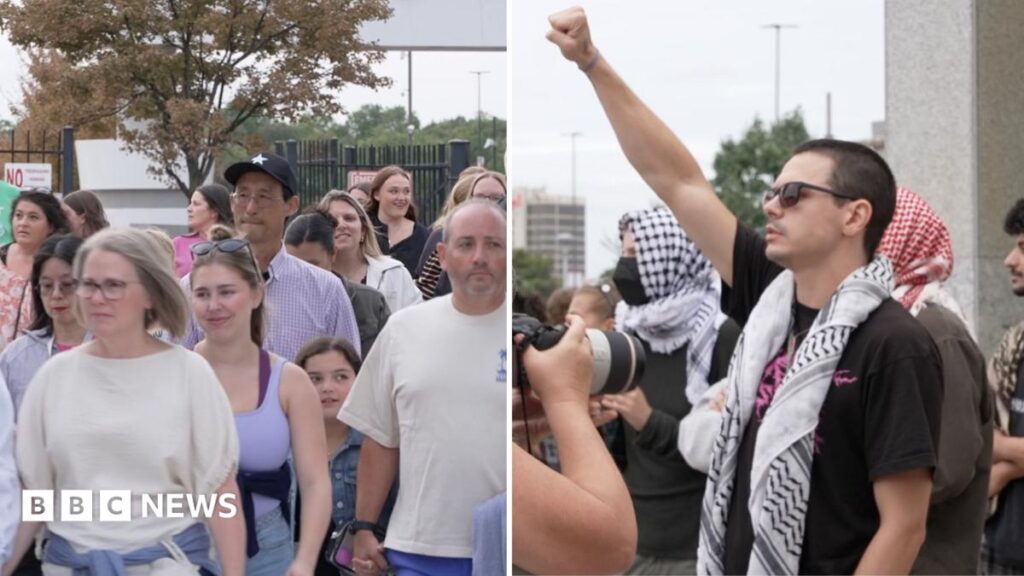
When the lights dimmed at the O2 Arena, a mixed crowd of Ed Sheeran devotees and pro‑Palestinian activists filled the seats. Some fans carried signs that read “Just the music” while others held placards demanding an end to the Gaza blockade. Video footage shared on TikTok showed a brief moment when a group of activists stood up during the opening song, chanting in Arabic and English before security asked them to sit. The incident was quickly muted by the venue’s sound engineers, but the tension lingered throughout the set.
Sheeran’s performance itself remained largely apolitical; he stuck to his hit list and avoided any on‑stage commentary. Yet the audience’s energy shifted whenever the camera cut to the crowd, highlighting the divide between those who wanted a pure concert experience and those who saw the platform as a stage for advocacy. After the show, a handful of fans posted on Instagram that they felt “caught in a political drama they didn’t sign up for,” underscoring how the event became a micro‑cosm of a larger cultural clash.
Why it matters – free speech, brand risk and the economics of live music
The Sheeran‑Macklemore episode illustrates a growing dilemma for artists and promoters: balancing the commercial imperative of a clean‑brand image with the increasing expectation that public figures comment on global crises. According to a report by the Music Business Association, ticket sales for politically charged tours have seen a 12 % dip in the last twelve months, as some fans boycott shows they perceive as “politically compromised.” By dropping Macklemore, Sheeran’s team signaled a preference for a non‑controversial show, but it also sparked criticism from free‑speech advocates who argue that silence is itself a political choice.
From a financial perspective, the decision could have ripple effects on ancillary revenue streams such as merchandise and streaming. Data from Nielsen Music shows that artists who openly support a cause often experience a short‑term surge in streaming from sympathetic listeners, but they also risk alienating other market segments. For a megastar like Sheeran, whose global streaming numbers exceed 5 billion streams per month, even a modest 1 % dip could translate into millions of lost dollars, a risk that promoters are now weighing more carefully.
African and diaspora angles – how the controversy resonates on the continent
While the controversy unfolded in London, its reverberations were felt across Africa, where the Israel‑Palestine issue has long been a flashpoint for political activism. In Nigeria, a growing number of Afro‑beat artists have used their platforms to voice solidarity with Palestinians, most recently seen in a collaborative single released by Burna Boy and Sauti Sol that topped the iTunes charts in Kenya. African diaspora communities in the UK and US have organized parallel protests at major concerts, turning music venues into sites of transnational solidarity.
The incident also highlights the commercial interdependence between Western tours and African markets. According to the International Federation of the Phonographic Industry, Sub‑Saharan Africa contributed roughly 2 % of global music revenue in 2025, but its share of live‑event income remains under 0.5 % because few world‑touring acts schedule African dates. The Sheeran tour’s handling of political speech may influence how African promoters negotiate future contracts, potentially demanding clearer clauses on activist rights or, conversely, stricter “no‑politics” policies to protect ticket sales.
What’s next – possible shifts in policy, artist activism and fan expectations
Industry insiders say the fallout from the Sheeran concert could prompt a re‑evaluation of tour contracts. A source close to a major US venue told Billboard that promoters are already drafting “political conduct addenda” that would outline acceptable forms of protest and the consequences for breach. Meanwhile, artists such as Beyoncé and Kendrick Lamar have hinted at incorporating “social justice interludes” into upcoming tours, suggesting a move toward formally integrating activism rather than treating it as an after‑thought.
For fans, the episode may sharpen expectations around transparency. A poll conducted by the African Music Council in August found that 68 % of respondents want artists to disclose their stance on major geopolitical issues before purchasing tickets. As the music business continues to globalise, the balance between artistic freedom, brand protection, and audience agency will likely become a defining narrative for live entertainment in the years ahead.
Quick Answers
Why was Macklemore removed from Ed Sheeran’s 2026 tour?
Macklemore was dropped after he posted pro‑Palestinian comments on social media, prompting Sheeran’s team to cite a desire to keep the tour apolitical.
How did African fans react to the political tension at the Ed Sheeran concert?
Many African fans expressed disappointment, noting that the politicisation of the event distracted from the music and echoed broader calls for artists to address global injustices.
What could happen to future concert contracts after this controversy?
Promoters may add clauses that limit on‑stage political expression or, alternatively, create designated spaces for activist messages, reshaping how tours are booked worldwide.
Source: www.bbc.co.uk


💬 Comments 0