Ed Sheeran US tour support acts quit after Macklemore dropped over pro‑Palestinian remarks
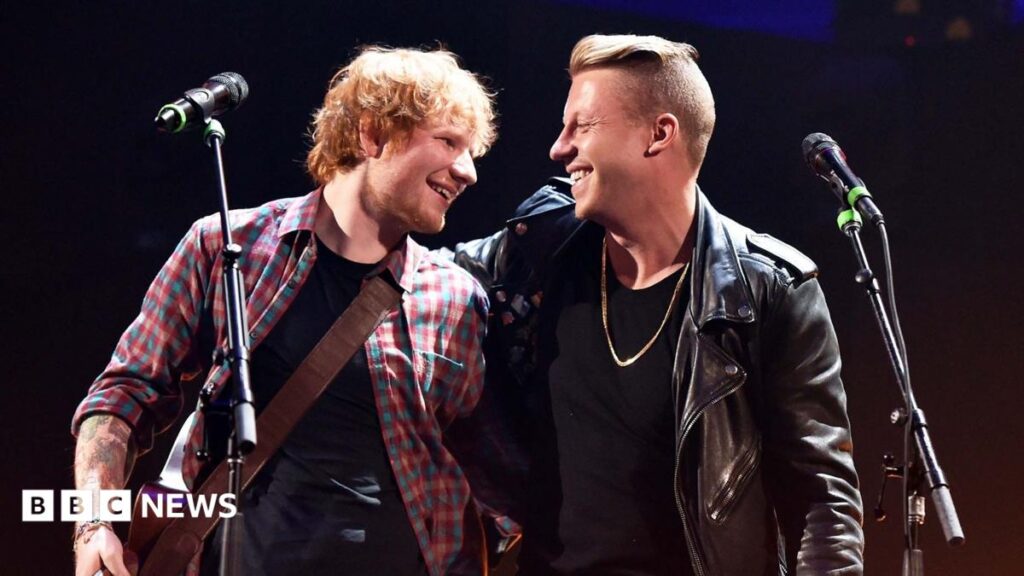
Background: Ed Sheeran’s US arena tour and the original line‑up
In early 2026 Ed Sheeran launched a 30‑date arena tour across the United States, billed as his biggest North American run since the pandemic. The roster of opening acts was marketed as a mix of rising hip‑hop and pop talent, featuring Macklemore, Bebe Rexha, and a handful of lesser‑known African‑diaspora artists who had recently broken through on streaming platforms.
Ticket sales surged in major markets such as New York, Los Angeles and Chicago, with promoters promising a “festival‑like” experience for fans who would see several acts before Sheeran’s headline set. The tour’s promotional material highlighted the diversity of the supporting lineup, a point that resonated with younger audiences who value cross‑genre collaborations.
Industry insiders note that securing a spot on a Sheeran tour can be a career catalyst, providing exposure to stadium‑size crowds and a boost in streaming numbers. For many of the support artists, especially those from the African diaspora, the gig was seen as a springboard into the mainstream U.S. market.
Macklemore’s on‑stage statement and the fallout
During the Detroit stop on August 28, Macklemore paused his performance to thank the audience and then delivered a brief pro‑Palestinian message, saying “peace for Gaza, justice for all.” The comment was captured on video and quickly spread across social media, prompting a wave of polarized reactions.
Within hours, Ed Sheeran’s management issued a statement saying the rapper’s remarks were his own and that Sheeran was not responsible for any lineup changes. Nonetheless, the tour’s corporate sponsors, including a major credit‑card company and a beverage brand, reportedly expressed concern over the political content appearing on a high‑visibility platform.
According to sources familiar with the negotiations, the sponsors threatened to pull advertising if the tour did not distance itself from the statement. The pressure culminated in Macklemore’s removal from the remaining dates, a decision that was announced without further comment from Sheeran’s team.
Why other support acts walked away: pressure, contracts and brand safety
Following Macklemore’s exit, three other opening acts—Bebe Rexha, a UK‑based indie pop group, and a Nigerian‑born Afro‑fusion singer—publicly announced they would no longer perform on the tour. Their statements cited “inconsistent values” and “concerns over artistic freedom,” echoing a growing sentiment among artists that corporate safety nets are increasingly dictating set‑lists.
Legal analysts explain that most opening‑act contracts contain “morality clauses” allowing promoters to terminate agreements if an artist’s actions are deemed detrimental to the brand. In this case, the clauses were invoked not because of illegal conduct but because of perceived reputational risk, a trend that has accelerated since the 2022 wave of culture‑war cancellations.
The ripple effect also highlighted the precarious position of emerging African and diaspora performers, who often lack the bargaining power to push back against such clauses. For the Nigerian Afro‑fusion act, withdrawing meant forfeiting a chance to play to 20,000‑plus fans, but staying could have jeopardized future collaborations with U.S. labels wary of “controversial” politics.
Implications for the music industry and African audiences
The sudden reshuffle underscores a larger shift: record labels and promoters are increasingly vetting artists for political neutrality, especially on high‑profile U.S. tours. This creates a chilling effect on free expression, forcing musicians to weigh the cost of advocacy against career advancement.
For African listeners, the episode has a double impact. First, the removal of an Afro‑fusion opener reduces the visibility of African sounds on a mainstream stage, potentially slowing the momentum that artists like Burna Boy and Wizkid built over the past decade. Second, it signals to African talent that aligning with global causes can be a liability when negotiating U.S. contracts.
Diaspora communities in cities like Houston and Atlanta have taken to social media, organizing virtual listening parties to compensate for the lost performances. These grassroots efforts demonstrate that while corporate gatekeeping may limit live exposure, the digital ecosystem still offers a platform for African music to reach American fans.
What comes next: tour reshuffle and the broader debate
Sheeran’s team has announced a revised lineup featuring two American indie bands and a surprise guest from the hip‑hop scene, but the exact roster remains fluid as negotiations continue. Industry watchers predict that future tours will include more robust clauses allowing promoters to replace acts at short notice, a move that could further marginalize politically outspoken performers.
The controversy also fuels an ongoing debate about the role of artists in geopolitical discourse. While some argue that musicians should remain apolitical to protect commercial interests, others contend that silence is a form of complicity, especially on issues that affect global audiences, including African nations caught in the broader Middle‑East conflict.
In the months ahead, we can expect legal challenges to morality clauses, increased lobbying by artist unions, and perhaps a new wave of “politically safe” tours designed to sidestep controversy altogether. For African creators, the key will be leveraging digital channels, building direct fan relationships, and negotiating contracts that safeguard their right to speak on matters that matter to their communities.
Quick Answers
Why were the support acts removed from Ed Sheeran’s US tour?
They were dropped after Macklemore’s pro‑Palestinian statement triggered sponsor concerns, leading promoters to invoke morality clauses and replace the opening lineup.
How does this affect African musicians on international tours?
The incident reduces live exposure for African artists and highlights how contract clauses can limit their ability to address political issues without risking tour participation.
What might happen to future concert tours after this controversy?
Promoters are likely to tighten contract language, favor politically neutral acts, and rely more on digital platforms to showcase diverse talent.
Source: www.bbc.co.uk


💬 Comments 0