Emma Hayes cheers Mauricio Pochettino’s 2026 contract extension as US men’s team eyes World Cup boost
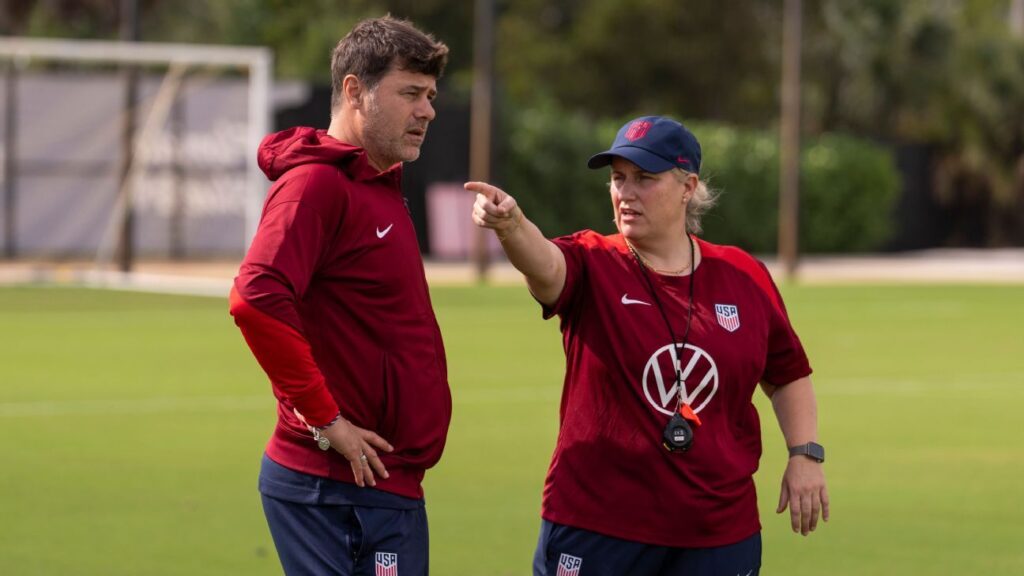
The deal: Pochettino secures a four‑year stay with US Soccer
Mauricio Pochettino, the former Tottenham Hotspur and Paris Saint‑Germain manager, signed a new four‑year contract in early August 2026 to remain at the helm of the United States men’s national team. The agreement, announced by US Soccer on Monday, extends his tenure through the 2030 World Cup cycle, giving the federation a rare window of continuity after a decade of frequent coaching changes. Pochettino’s original appointment in 2023 was seen as a gamble – a high‑profile European tactician stepping into a job that had been dominated by domestic coaches – but his first two years have already produced a more organized defensive shape and a noticeable improvement in the team’s pressing intensity.
The extension came after the United States finished a respectable third place at the 2025 CONCACAF Nations League Finals and qualified early for the 2026 World Cup, which the country will co‑host with Canada and Mexico. US Soccer President Cindy Parlow Cone highlighted the contract as a “strategic investment” aimed at capitalising on the momentum generated by the home‑soil tournament and the growing commercial appeal of the men’s side. Pochettino, for his part, said the new deal reflects his belief that the US can become a genuine contender on the global stage if given time to embed his philosophy.
Hayes' praise: Why the women’s coach’s endorsement matters
Emma Hayes, the long‑serving manager of the US women’s national team, publicly expressed her delight at the news, calling Pochettino’s stay “a boost for raising the overall level of football in the United States.” Hayes’ comment, reported by The Athletic, carries weight because she has overseen the women’s side through three World Cup titles and a cultural shift that turned the USWNT into a global brand. Her endorsement signals a rare alignment between the two senior national teams, which have historically operated in separate silos despite sharing the same federation.
The significance of Hayes’ support goes beyond a simple compliment. By publicly backing the men’s coach, she signals a collaborative mindset that could translate into shared resources such as training facilities, sports science expertise, and youth development pathways. In an interview with ESPN, Hayes hinted that the women’s program’s success in scouting and nurturing talent from under‑represented communities could serve as a blueprint for the men’s side, especially as both teams prepare for the 2026 World Cup on home soil.
Stakes for US soccer and the African‑American diaspora
The contract extension arrives at a pivotal moment for the United States, whose senior squads are under pressure to deliver a strong performance in the 2026 World Cup. A key element of that pressure is the expectation that the team will showcase the depth of talent emerging from the African‑American and broader Black diaspora. Players such as Christian Pulisic, Gio Reyna, and the rising star Brenden Aaronson already embody the multicultural fabric of US soccer, but the pipeline remains fragile without consistent coaching direction.
Pochettino’s commitment provides an opportunity to institutionalise scouting networks in historically Black neighborhoods and to partner with community clubs that have traditionally fed talent into the USL and MLS academies. According to a report by the Black Soccer Coalition, the US men’s team has only 12% Black‑American representation in its senior squad, a figure that lags behind the demographic reality of the country. A stable coaching regime, backed by Hayes’ advocacy for inclusive development, could help bridge that gap, offering more visible role models for young players of African descent and strengthening the commercial appeal of the national team among diaspora audiences.
The broader coaching trend and what could come next
Pochettino’s long‑term deal reflects a growing pattern of European managers taking charge of US national teams, a trend that began with Jürgen Klinsmann in 2011 and accelerated with the hires of Bruce Arena’s successors. This influx brings tactical sophistication and a global brand that can attract sponsorships, but it also raises questions about the development of home‑grown coaching talent. African football federations are watching closely, as many of their own coaches aspire to similar high‑profile roles abroad.
Looking ahead, the partnership between Hayes and Pochettino could evolve into joint initiatives that benefit both the men’s and women’s programs, such as combined scouting camps in West Africa and the Caribbean, regions that have historically supplied the US with dual‑national players. Moreover, the extended contract gives US Soccer the runway to negotiate broadcast deals that highlight the narrative of a unified national football identity, potentially increasing viewership among African‑American fans and the wider diaspora. If these synergies materialise, the 2026 World Cup could become a showcase not only for American talent but also for the collaborative model that other federations, including those in Africa, might seek to emulate.
Quick Answers
How long is Mauricio Pochettino's new contract with the US men's team?
He signed a four‑year extension that keeps him in charge through the 2030 World Cup cycle.
Why did Emma Hayes say the contract matters for US soccer?
Hayes believes Pochettino’s stability will raise the overall level of football in the United States and foster collaboration between the men’s and women’s programs.
What impact could the extension have on African‑American players?
A steady coaching regime could expand scouting in Black communities, increase representation on the national team, and boost the sport’s appeal among African‑American and diaspora fans.
Source: www.espn.com




💬 Comments 0