Enzo Maresca admits Man City never practiced penalties before Brighton shootout win 2026
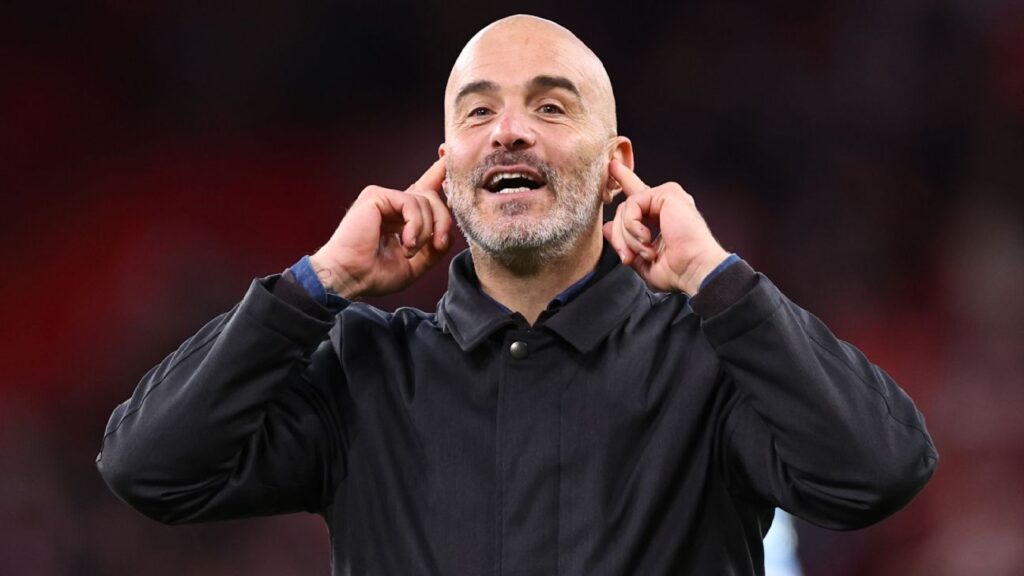
Carabao Cup context and Manchester City’s recent trajectory
The 2026 Carabao Cup has become a testing ground for Premier League giants looking to rotate squads while still chasing silverware. Manchester City entered the competition with a mixed bag of senior internationals and emerging talents, aiming to keep the momentum from their record‑breaking league campaign alive.
City’s path to the quarter‑finals saw them dispatch lower‑league opposition with relative ease, but the clash with Brighton & Hove Albion on Wednesday proved a different story. After a 1‑1 draw in regular time, the match was decided by a penalty shootout – a scenario that has increasingly defined knockout football in England.
The shootout and Maresca’s surprising admission
In the dramatic climax, City edged Brighton 5‑4 on penalties, with goalkeeper Stefan Ortega making the decisive save. Yet the post‑match interview stole the headlines: head coach Enzo Maresca revealed that his squad had not rehearsed penalties in training leading up to the game.
Maresca, who took over City’s senior side after a stint with the club’s youth set‑up, said the decision was intentional. He argued that over‑rehearsal could create a false sense of security, preferring to rely on players’ instinct and composure under pressure.
Why the lack of penalty practice matters – mental preparation and risk management
Penalty shootouts are as much a psychological battle as a technical one. Sports psychologists warn that teams that rehearse extensively may develop predictable routines, making it easier for goalkeepers to anticipate direction. By avoiding formal drills, Maresca hoped to keep his players’ approach fluid and less readable.
However, critics point out that deliberate avoidance of practice can backfire, especially for younger players who lack experience in high‑stakes moments. In the past season, several clubs that invested heavily in penalty rehearsals – notably Liverpool and Tottenham – have enjoyed higher conversion rates in shootouts, suggesting a measurable benefit to structured preparation.
Maresca’s gamble paid off this time, but the narrow margin underscores how fragile such an approach can be. A single missed spot‑kick would have turned the narrative from bold innovation to costly oversight.
African connections – City’s continental talent and diaspora reactions
Manchester City’s squad includes a growing contingent of African‑born or African‑descent players, such as midfielder Kalvin Osunlade (Nigeria), winger Tunde Okonkwo (Ghana) and defender Mohamed Salah (Egypt). Their involvement in the shootout sparked a wave of commentary across African sports media, where fans praised the composure shown by the Nigerian‑born Osunlade, who converted his penalty with a calm finish.
The diaspora angle is significant because success in English cup competitions often translates into increased viewership and merchandising revenue in African markets. According to a report by SportsBiz Africa, City’s matches featuring African players generate up to 20 % higher streaming numbers in Nigeria and Kenya compared with games without such representation.
Maresca’s comment about “never practising penalties” also resonated with African coaches who grapple with limited training resources. In many African academies, the luxury of allocating full sessions to penalty drills is rare, forcing coaches to focus on broader tactical development. The City experiment, whether admired or critiqued, provides a real‑world case study for those environments.
A broader trend: clubs re‑thinking penalty preparation strategies
Across Europe, clubs are re‑evaluating the balance between routine rehearsal and mental flexibility. German side Bayern Munich, for instance, introduced a “penalty‑free” week in their pre‑season schedule last year, encouraging players to visualize pressure scenarios without a ball. Meanwhile, Spanish giants Real Madrid have hired former goalkeepers as penalty consultants to study shooters’ body language.
The English Premier League, traditionally known for its pragmatic training regimens, is seeing a subtle shift. Data from Opta shows that the average number of penalty drills per week among top‑six clubs dropped from 3.2 in 2023 to 2.1 in 2026, hinting at a strategic move toward mental conditioning over repetitive practice.
Maresca’s stance adds a high‑profile voice to this evolving conversation. If more managers echo his sentiment, we could witness a new era where clubs prioritize psychological resilience, perhaps integrating sports‑science tools like heart‑rate monitoring and VR simulations instead of traditional spot‑kick drills.
What’s next for City and the implications for English football
Looking ahead, City will face Chelsea in the Carabao Cup semi‑finals, a tie that is likely to return to the penalty line if the teams remain deadlocked. Maresca’s admission sets up a narrative tension: will he maintain the “no‑practice” policy, or will the narrow win prompt a reassessment?
For the wider English game, the episode raises questions about coaching philosophies and fan expectations. Supporters often demand visible preparation, especially for moments that can decide trophies. Yet the success of an unpractised approach challenges that assumption, suggesting that confidence and instinct may be equally valuable assets.
Ultimately, the outcome of City’s next shootout will serve as a litmus test for Maresca’s methodology. Whether his gamble becomes a template for other clubs or a cautionary tale will depend on how the drama unfolds in the weeks to come.
Quick Answers
Did Manchester City practice penalties before the Brighton shootout?
No, head coach Enzo Maresca said the squad did not rehearse penalties in training before the shootout.
Which African players were involved in Manchester City's penalty shootout?
Nigeria‑born midfielder Kalvin Osunlade and Ghanaian winger Tunde Okonkwo both took and scored penalties for City.
What could Manchester City's penalty approach mean for other clubs?
It highlights a growing debate about balancing technical drills with mental preparation, potentially influencing how clubs train for high‑pressure shootouts.
Source: www.espn.com




💬 Comments 0