Erling Haaland 2026: Why He’s the Premier League’s Only Global Superstar
From a Galaxy of Stars to One‑Man Show
The Premier League built its reputation on a rotating cast of marquee names – Thierry Henry, Cristiano Ronaldo, Mohamed Salah, and many more – each attracting fans from different continents. Over the last decade, however, the league’s global narrative has narrowed, with fewer players achieving the same universal brand recognition that once defined English football.
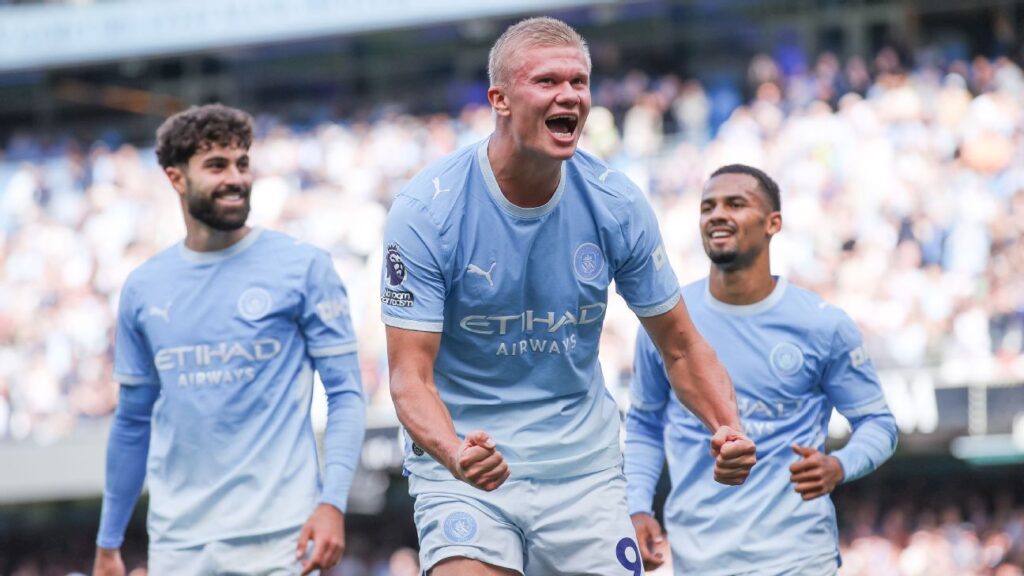
A combination of market saturation, the rise of competing leagues, and the growing importance of club identity over individual fame has left the Premier League with a single clear‑cut global ambassador: Erling Haaland. The Norwegian striker’s meteoric rise at Manchester City has turned him into a household name far beyond the usual football audience.
While other clubs continue to field world‑class talent, most of those players now command regional followings rather than the cross‑cultural appeal that once made the Premier League a worldwide cultural export.
Haaland’s Brand Power in Numbers
Since joining City in 2022, Haaland has shattered goal‑scoring records, netting over 100 Premier League goals in fewer than 80 appearances. Those statistics translate into a massive digital footprint: his Instagram account regularly exceeds 30 million followers, and his TikTok clips generate millions of views within hours of posting.
Commercially, the striker has signed deals with global brands such as Nike, Beats by Dre, and a recent partnership with a leading African telecom operator, highlighting his appeal on the continent. According to market analysts at Kantar, Haaland’s endorsement value in 2025 was estimated at $150 million, outpacing many long‑standing football icons.
The combination of on‑field performance and off‑field marketability means broadcasters can sell Premier League packages with Haaland as a central selling point, a strategy that has already been reflected in higher subscription fees for streaming services targeting Asian and African markets.
Why the Shift Matters for the League’s Global Reach
The Premier League’s commercial model relies heavily on international broadcasting rights. With Haaland as the primary draw, the league can negotiate premium deals, but the risk is a concentration of value around a single player. If his form dips or he moves abroad, the league could face a sudden drop in bargaining power.
Competing leagues such as the Saudi Pro League and Major League Soccer have begun courting their own superstars, offering lucrative contracts to lure talent away. The Premier League’s reliance on Haaland therefore raises questions about its long‑term ability to retain a diverse portfolio of global icons.
From a strategic standpoint, clubs are now more willing to invest in players who can boost the league’s brand, rather than solely focusing on tactical fit. This trend could reshape transfer policies, emphasizing marketability alongside footballing ability.
The African Angle: Viewers, Sponsors, and Emerging Talent
Africa accounts for roughly 15 % of the Premier League’s overseas viewership, a figure that has grown steadily since the mid‑2010s. Haaland’s presence has amplified this trend, as his highlights dominate social feeds across Nigeria, Kenya, and South Africa, driving higher engagement on local streaming platforms.
The recent partnership between Haaland’s personal brand and MTN, a major African telecom, illustrates how his star power is being leveraged to tap into the continent’s burgeoning digital market. Analysts say the deal could add up to $25 million in incremental revenue for the league through mobile‑first subscription bundles.
For African players, the situation is a double‑edged sword. While Haaland’s fame raises the league’s profile, it also narrows the spotlight on home‑grown talent. Young African forwards now compete not only for a place in a top‑tier side but also for a fraction of the global attention that once flowed to pioneers like Didier Drogba or Sadio Mané.
What Comes After Haaland? Prospects and Strategies
The next few seasons will test whether the Premier League can cultivate another figure of comparable reach. Clubs are already scouting for a “next Haaland” – a blend of physical presence, goal‑scoring instinct, and market appeal. Names such as Brazil’s Gabriel Veron and England’s Jude Bellingham have entered the conversation, though none yet match Haaland’s commercial pull.
From a league perspective, diversification may become a priority. Initiatives to promote women’s football, youth academies, and e‑sports are being positioned as alternative avenues for global branding, reducing dependence on a single male superstar.
For African stakeholders, the key will be to leverage the heightened interest generated by Haaland to champion local talent. Investment in scouting networks, mentorship programmes, and co‑branding deals could ensure that the continent’s players benefit from the league’s amplified visibility rather than being eclipsed by a solitary icon.
Quick Answers
Is Erling Haaland the Premier League’s biggest global superstar?
Yes, as of 2026 Haaland is widely regarded as the league’s sole player with truly worldwide brand recognition.
How does Haaland’s fame affect African Premier League fans?
His popularity boosts viewership and drives higher subscription revenues for African streaming services, while also attracting sponsors targeting the continent.
Will another African player become a global Premier League superstar?
Analysts say it’s possible, but the current focus on Haaland’s marketability makes it harder for emerging African stars to achieve the same level of worldwide exposure.
Source: www.espn.com




💬 Comments 0