ESPN to Trial Alumni Alt‑Cast for 2026 MLB Little League Classic – What It Means for Fans and African Sports Media
Background: The Little League Classic and ESPN’s Experimentation
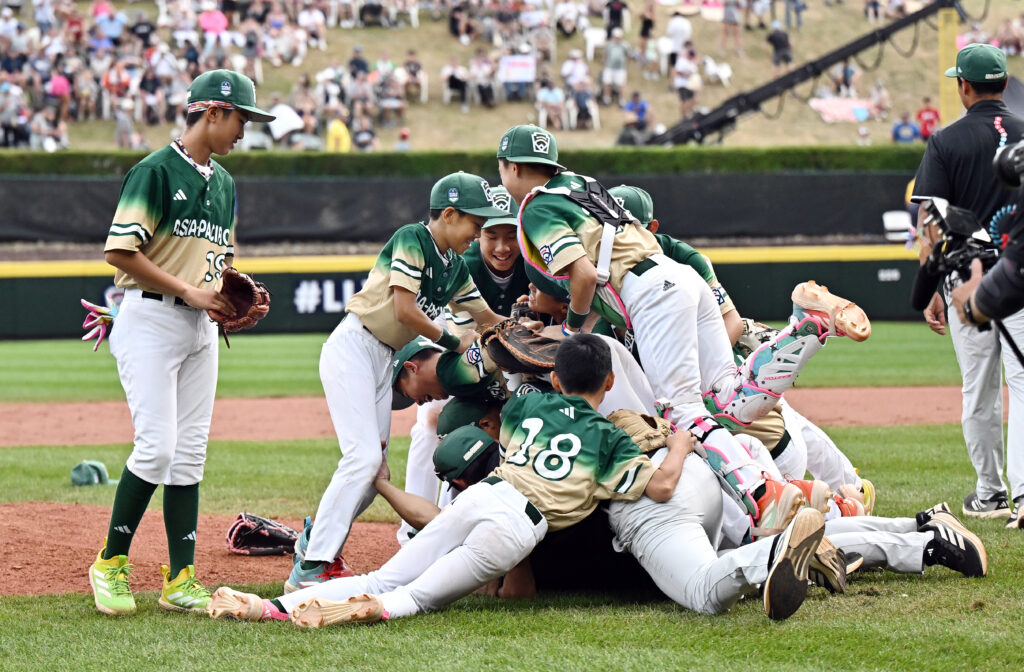
Since its debut in 2017, the MLB Little League Classic has become a marquee event that pairs a regular‑season game with a celebration of youth baseball. Held at the iconic stadium in Williamsport, Pennsylvania, the game draws thousands of Little League players and their families, while millions of viewers tune in on ESPN’s flagship channel. The 2026 edition, scheduled for August 23, marks the ninth running of the event and arrives at a moment when sports broadcasters are scrambling to keep audiences glued to linear TV amid the streaming surge.
ESPN has spent the past few years testing unconventional ways to present games, from pairing Pixar’s "Toy Story" characters with a Saturday night baseball broadcast to inserting Marvel superheroes into a college football halftime show. Those stunts were largely promotional, but they signaled a willingness to blur the line between pure sports commentary and entertainment‑driven storytelling. The upcoming "alumni alt‑cast" on ESPN2 is the latest step in that direction, offering a parallel audio‑visual feed anchored by former MLB players and personalities.
The Alumni Alt‑Cast Concept: Who’s on‑Air and How It Works
For the 2026 Little League Classic, ESPN2 will air a dedicated “Alumni Cast” that replaces the usual play‑by‑play team with a rotating panel of former major leaguers, Little League coaches, and even a few African‑born baseball veterans who have made their mark in the United States. Names confirmed so far include Hall of Famer Cal Ripken Jr., former All‑Star pitcher Felix Hernandez, and Nigeria‑born outfielder Michael “Mick” Oduro, who spent a decade in the minor leagues before transitioning to coaching youth baseball in Texas.
The format mirrors the growing “alternate commentary” trend seen on platforms like Amazon Prime Video, where viewers can select a celebrity, comedian, or former athlete to guide them through the action. ESPN’s version will feature live interviews with the kids on the field, behind‑the‑scenes anecdotes from the alumni, and a more informal, story‑driven style that aims to make the game feel like a community gathering rather than a sterile broadcast.
Why It Matters: Shifting Viewer Expectations and the Rise of Interactive Sports TV
Traditional sports broadcasts have relied on a single, authoritative voice to explain strategy, call plays, and keep the pace. However, younger audiences—particularly Gen Z and Millennials—are accustomed to multi‑track audio on platforms like Twitch, where they can toggle between the main feed and a creator’s commentary. By offering an alumni alt‑cast, ESPN acknowledges that fans now crave personalization and a sense of connection to the personalities they admire.
The move also has commercial implications. Advertisers can target niche segments more precisely, buying slots that align with a specific commentator’s fan base. In the case of the Little League Classic, brands focused on family‑oriented products, youth sports equipment, and education can align their messages with the nostalgic, mentorship‑rich tone of the alumni panel.
Implications for African Sports Media and the Diaspora
While the experiment is U.S.-centric, it opens a door for African broadcasters and streaming services to adopt similar models. African football leagues, for example, have already experimented with fan‑generated commentary on YouTube, but a high‑profile, professionally produced alt‑cast could elevate local talent and attract diaspora viewership. The inclusion of Michael Oduro—a Nigerian‑born player—demonstrates that African athletes can serve as cultural bridges, providing relatable voices for both African and diaspora audiences.
In Nigeria, the domestic sports TV market is dominated by a handful of channels that rely on syndicated feeds from Europe and the United States. A successful alumni alt‑cast could inspire partnerships where former African athletes, such as former Nigerian footballer Jay-Jay Okocha or basketball star Hakeem Olajuwon’s relatives, host parallel broadcasts of local league matches. This would not only create new revenue streams but also nurture a generation of African analysts who understand both the game and the cultural nuances of their home audiences.
A Broader Trend: Entertainment‑Sport Hybrids and the Future of Broadcast Rights
ESPN’s foray into character‑driven and alumni‑driven broadcasts is part of a larger industry shift. The NFL’s “Madden NFL” video‑game commentary team, the NBA’s “Makers’ Mix” podcast‑style streams, and the rise of TikTok‑styled highlight reels all point to a future where the line between pure sport and entertainment blurs. Rights‑holders are increasingly packaging “experience” as a sellable asset, not just the live game.
This evolution puts pressure on traditional rights models. Broadcasters may need to negotiate clauses that allow for multiple audio feeds, interactive overlays, and cross‑platform distribution. For leagues like MLB, which have struggled to grow viewership in markets outside the United States, offering alternate casts that feature local legends could be a lever to unlock new fan bases, including in Africa where baseball is still a niche sport.
What’s Next: Scaling Alt‑Casts and Measuring Success
The immediate test will be viewer numbers and engagement metrics for the August 23 Little League Classic. ESPN has said it will track average minute audience, social‑media sentiment, and ad‑revenue lift across both the main and alumni feeds. Early indicators from similar experiments—such as the 2024 “Marvel‑themed” NFL broadcast that saw a 12% bump in younger viewers—suggest a modest but meaningful lift.
If the data are positive, we can expect the alt‑cast model to expand to other marquee events: the World Series, the NBA Finals, and perhaps even the African Cup of Nations. For African broadcasters, the next step will be building the production infrastructure—audio mixing, talent recruitment, and rights negotiations—to deliver localized alt‑casts that resonate with homegrown audiences while also appealing to the global diaspora.
Quick Answers
What is ESPN’s alumni alt‑cast for the MLB Little League Classic?
It is a parallel broadcast on ESPN2 featuring former MLB players and coaches who provide informal, story‑driven commentary instead of the usual play‑by‑play team.
How could this alt‑cast format affect African sports broadcasting?
If successful, it could inspire African networks to create similar alternate feeds with local legends, attracting diaspora viewers and opening new advertising opportunities.
When will the alumni alt‑cast be aired?
The alumni alt‑cast will run alongside the ninth‑annual MLB Little League Classic on August 23, 2026, on ESPN2.
Source: variety.com




💬 Comments 0