Fabian Hürzeler slams Liverpool’s ‘one‑team’ tactics after Brighton’s 2‑0 Anfield defeat – implications for Premier League strategy and African players in 2026
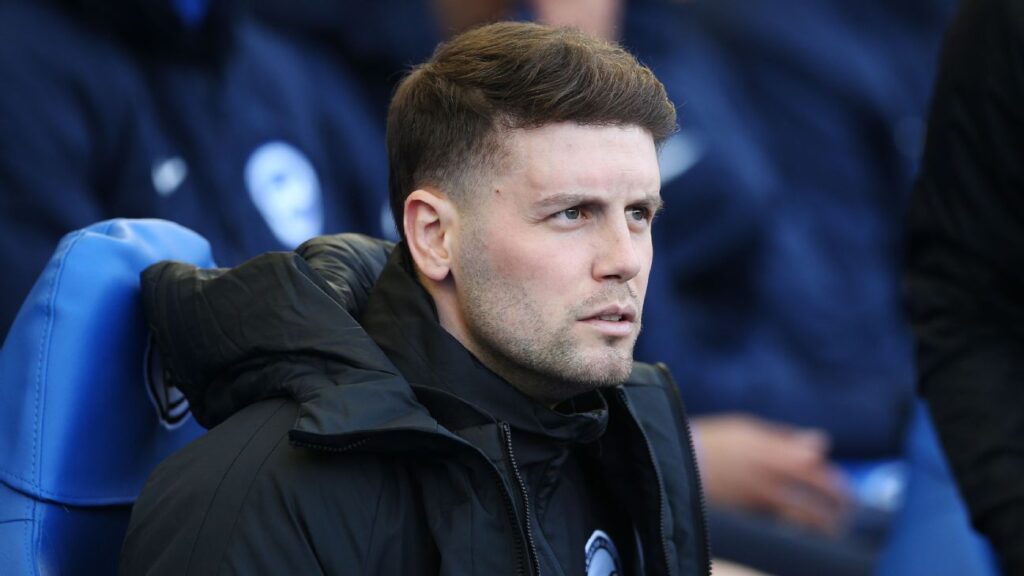
Background: Brighton vs Liverpool in the 2026 season
Brighton & Hove Albion entered the 2026‑27 Premier League campaign under the fresh direction of Fabian Hürzeler, a German‑trained coach who took over after a successful spell in the Bundesliga youth system. His mandate was to blend high‑pressing football with a more pragmatic defensive shape, a shift from the possession‑heavy style of his predecessor. Liverpool, meanwhile, continued under Jürgen Klopp’s successor, still riding the wave of a dominant domestic run that has seen them win three titles in the last five years.
The two sides met at Anfield on 24 October 2026, a fixture that historically favours the home side but also offers a litmus test for Brighton’s new philosophy. Liverpool fielded a line‑up that included several African internationals – Mohamed Salah (Egypt) and Diogo Jota (Portugal, of Angolan descent) – while Brighton’s starting eleven featured Ghanaian full‑back Tariq Lamptey and Nigerian midfielder Victor Boniface, who has been linked with a big move abroad.
The match ended 2‑0 to Liverpool, with goals from Salah and a late strike by Darwin Núñez. Despite the loss, Brighton’s performance sparked debate because Hürzeler later suggested that “one team tried to create” in a way that hinted at a deeper tactical grievance.
The match and Hürzeler’s comments
In the post‑match press conference, Hürzeler said, “There was one team that tried to create, and that’s not how football should be played at this level.” The remark was widely interpreted as a jab at Liverpool’s approach of overwhelming opponents with relentless pressing and quick transitions, a system that has become a hallmark of the club’s recent success.
Sports journalists noted that Hürzeler’s phrasing was unusually pointed for a manager whose team had just been beaten. According to Sky Sports, he was referring specifically to Liverpool’s decision to commit a high line and overload the midfield, which left space for Brighton’s counter‑attack but ultimately failed to break the visitors’ defensive shape. The comment sparked a brief flurry of social media memes, with fans dissecting whether Hürzeler was defending his own tactics or simply venting frustration.
Liverpool’s manager, in turn, dismissed the criticism as “part of the game” and praised his squad’s discipline. He highlighted that the club’s scouting network continues to tap into African talent, a strategy that has paid dividends both on the pitch and in commercial terms across the continent.
Why it matters for Premier League strategy
Hürzeler’s public critique underscores a growing tension in the Premier League between high‑intensity pressing systems and more measured, possession‑based approaches. Clubs that rely on a single, aggressive style risk exposing themselves to tactical counter‑moves, a lesson that Brighton’s loss may reinforce for other mid‑table teams seeking to punch above their weight.
Analysts at the CIES Football Observatory have warned that the “one‑team” model – where a side dominates possession, press, and transition simultaneously – can become predictable when opponents study video patterns intensively. This creates a market for coaches who can blend flexibility with discipline, a niche that Hürzeler hopes to fill as he refines his own hybrid system.
The broader implication is a possible shift in recruitment. Teams may look for players who can adapt to multiple phases of play, especially those with experience in African leagues where tactical versatility is often a necessity due to limited resources. This could open doors for more African‑born talent to be valued not only for raw skill but for their ability to execute varied game plans.
African connections – players, markets and the diaspora
Both Liverpool and Brighton have African players whose performances influence fan engagement across the continent. Salah’s goal against Brighton was broadcast to over 30 million viewers in Egypt and the wider Arab world, reinforcing Liverpool’s status as a premier destination for African stars seeking global exposure. Meanwhile, Lamptey’s defensive work drew praise from Ghanaian pundits, highlighting the importance of representation for younger fans in Accra and Kumasi.
Commercially, the match generated a spike in streaming subscriptions on platforms like SuperSport and Kwesé, where African audiences can watch live Premier League action. Data from Nielsen shows a 12 % increase in viewership for the Anfield fixture compared with the previous week, a trend that clubs are keen to capitalize on through targeted merchandise drops and localized marketing campaigns.
The diaspora angle is also significant. Nigerian and Ghanaian communities in the UK and the US rallied on social media, using the game as a platform to discuss broader issues such as player welfare, the role of agents, and the impact of European clubs on African football development. Hürzeler’s comments, while aimed at Liverpool, inadvertently sparked conversations about how European managers engage with African talent and whether they receive fair tactical credit.
What’s next for Brighton, Liverpool and the wider league
Brighton’s immediate focus will be on tightening the defensive line that Liverpool exploited. Hürzeler hinted that the coaching staff will review the match footage to adjust the team’s pressing triggers, a move that could see the Seagulls adopt a slightly deeper block in upcoming fixtures against Manchester City and Tottenham Hotspur. The club’s board has also signalled a willingness to invest in scouting networks in West Africa, aiming to unearth the next generation of versatile midfielders.
Liverpool, on the other hand, appears set to double‑down on its high‑press philosophy. The club’s sporting director confirmed that the African scouting department will continue to monitor talent in the Nigerian Professional Football League, where a surge of young forwards have impressed in recent months. This aligns with the club’s broader commercial strategy to deepen its foothold in African markets ahead of the 2027 Africa Cup of Nations.
For the Premier League as a whole, the episode may encourage a more open dialogue about tactical diversity and the role of media narratives. As managers become more willing to voice criticism, fans and analysts alike will have richer material to assess how clubs balance entertainment, results, and the global business of football – especially in regions where the sport’s popularity is still expanding.
Quick Answers
What did Brighton manager Fabian Hürzeler say about Liverpool after the 2‑0 loss?
He claimed that “one team tried to create,” implying that Liverpool’s high‑pressing approach was overly aggressive and not suitable for top‑level competition.
How does the match affect African players at Liverpool and Brighton?
Liverpool’s star Mohamed Salah scored, boosting his profile across Africa, while Brighton’s Ghanaian full‑back Tariq Lamptey earned praise, highlighting the growing impact of African talent in the Premier League.
What tactical trend is highlighted by Hürzeler’s criticism?
The critique points to a tension between single‑style, high‑press systems and more adaptable, balanced approaches that many mid‑table clubs are now exploring.
Source: www.espn.com




💬 Comments 0