FIFA COO Kevin Lamour quits after Infantino’s failed World Cup sell‑off plan, African impact
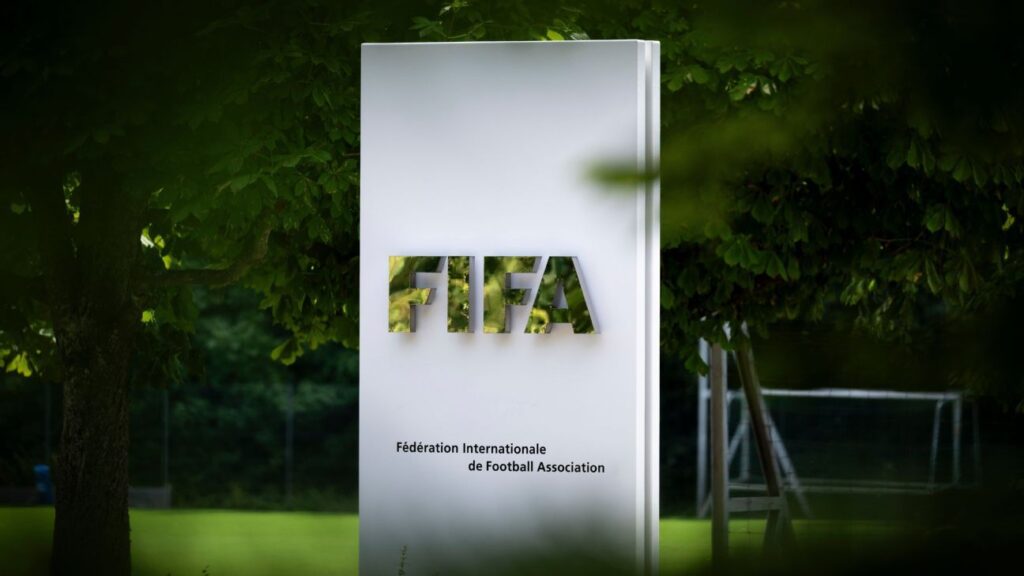
Background: the sell‑off plan and Lamour’s role
In early 2026 Gianni Infantino unveiled a controversial proposal to ‘sell‑off’ a share of the World Cup commercial rights to a consortium of private investors. The idea was pitched as a way to inject fresh capital into the tournament and reduce the financial burden on host nations, but it immediately triggered a wave of criticism from football administrators, sponsors and fans who feared loss of control over the sport’s most lucrative property.
Kevin Lamour, FIFA’s chief operating officer since 2022, was the chief architect behind the operational side of the proposal. Tasked with translating Infantino’s vision into a concrete business model, Lamour negotiated with potential investors, drafted the legal framework and oversaw the internal briefing that was meant to win over the confederations. His reputation as a pragmatic manager made him the public face of the plan.
The plan, however, ran into an unexpected hurdle when several confederations, notably the Confederation of African Football (CAF), raised alarms about transparency and the potential marginalisation of African broadcasters. The backlash grew louder after leaked documents suggested that the investor group could gain exclusive rights to match‑day streaming in key markets, including Africa.
The fallout: Lamour’s departure and internal dissent
Within weeks of the proposal’s public debut, the board convened an emergency meeting to assess the damage. Sources close to the deliberations said the meeting turned into a blame game, with some members accusing Lamour of moving too quickly and others defending his “necessary boldness”. By mid‑May, Lamour’s contract was terminated by mutual agreement, a move that Infantino announced as part of a “leadership refresh”.
The termination sparked a cascade of resignations among senior staff who had been involved in the sell‑off negotiations. According to a report by African sports outlet SuperSport, several CAF officials who had been consulted on the deal quietly stepped down, citing “a loss of confidence in FIFA’s governance”. The episode has already been described by journalists as a “crisis of credibility” for the organisation.
In the days that followed, FIFA’s communications team shifted tone, emphasizing a renewed commitment to “transparent dialogue” with all confederations. Yet the silence on the specifics of Lamour’s exit—whether it involved a settlement, a dismissal for cause, or a voluntary resignation—has left room for speculation and further erodes trust among stakeholders.
Why it matters for African football and the 2026 World Cup
Africa stands to lose a significant share of World Cup revenue if the sell‑off model proceeds unchecked. CAF estimates that African broadcasters currently secure roughly 12 % of the tournament’s global media rights pool, a figure that could shrink dramatically under a private‑investor‑driven structure. The potential reduction in broadcast income would affect national federations’ budgets, player development programmes and grassroots initiatives across the continent.
Beyond finances, the episode highlights a deeper power imbalance. The World Cup is the only global sporting event that consistently generates more than $5 billion in commercial revenue, yet African voices have historically been under‑represented in the decision‑making process. Lamour’s exit, prompted in part by African criticism, may force FIFA to reconsider how it engages with CAF on future commercial deals.
For the 2026 tournament, which will be co‑hosted by the United States, Canada and Mexico, the controversy could also reshape the allocation of ancillary events. African nations that were hoping to host fan zones, cultural showcases or youth tournaments may now face stricter licensing terms, limiting their ability to capitalise on the global spotlight.
Market implications: African broadcasters and sponsors
If the sell‑off plan is revived in a modified form, African broadcasters could be forced to bid against global streaming giants for rights that were previously negotiated on a regional basis. This scenario would likely raise subscription costs for African fans and could push some viewers toward illegal streams, a risk that regulators in Nigeria, South Africa and Kenya have already warned about.
Corporate sponsors with a strong African footprint—such as MTN, Safaricom and TotalEnergies—may also reassess their investment strategies. Their marketing budgets are often tied to the visibility offered by World Cup broadcasts. Uncertainty over who will control those broadcasts could lead to a pull‑back in sponsorship spend, a trend that could ripple through domestic leagues that rely on such funding.
Conversely, the controversy has opened a window for African tech firms to propose alternative distribution models. Start‑ups in Lagos and Nairobi are already pitching blockchain‑based ticketing and streaming solutions that promise greater revenue sharing for local partners. While still in early stages, these innovations could become bargaining chips in future negotiations with FIFA.
What comes next: reforms, diaspora interest and long‑term outlook
In the wake of Lamour’s departure, several reform proposals have surfaced. CAF President Patrice Motsepe has called for an “African‑led audit” of FIFA’s commercial strategies, urging the governing body to embed a permanent African liaison within its executive committee. If adopted, this could institutionalise African input and reduce the likelihood of another sell‑off shock.
The African diaspora, especially in Europe and North America, is also watching closely. Many diaspora fans support African football through streaming subscriptions and merchandise purchases. A shift in broadcast rights could affect their ability to stay connected with home‑grown teams, potentially dampening a key source of soft power for African football.
Ultimately, the episode underscores a broader tension between FIFA’s ambition to commercialise the sport and the need to protect the interests of its most passionate markets. How the organisation balances those forces will shape not only the financial health of African football but also the sport’s cultural relevance across the continent for years to come.
Quick Answers
Why did FIFA COO Kevin Lamour leave the organisation?
Lamour’s contract was ended by mutual agreement after the World Cup sell‑off plan he helped design faced strong opposition from confederations, especially CAF.
How could the sell‑off plan affect African broadcasters?
It could force them to compete with global streaming giants for World Cup rights, potentially reducing revenue and raising subscription costs for African fans.
What reforms are being suggested to protect African interests in FIFA deals?
CAF proposes an African‑led audit of FIFA’s commercial strategies and a permanent African liaison on the executive committee to ensure better representation.
Source: www.espn.com



💬 Comments 0