FIFA reelection 2026: Gianni Infantino’s likely win and its effect on African football
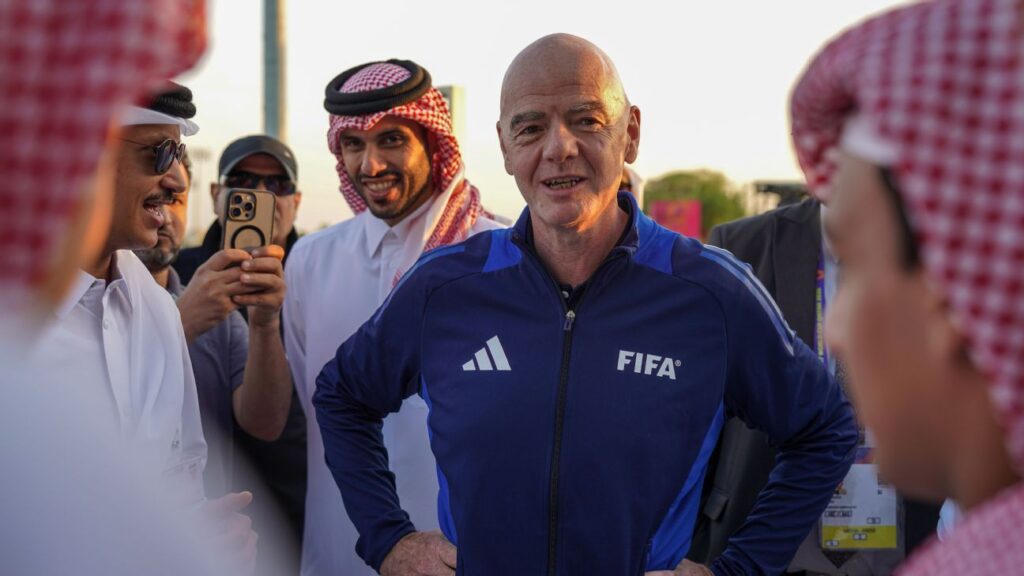
Background: Infantino’s tenure and the upcoming vote
Gianni Infantino has been at the helm of FIFA since February 2016, after winning a special election that followed the resignation of Sepp Blatter. Over the past decade he has overseen a series of high‑profile reforms, most notably the expansion of the men’s World Cup from 32 to 48 teams starting in 2026 and the launch of a new Club World Cup format slated for 2025‑2027. These changes have been marketed as ways to increase revenue, broaden participation and modernise the sport’s global calendar.
The FIFA presidential election is scheduled for February 2026 in Zurich, where the 211 member associations will cast their votes. Historically, incumbents have enjoyed a strong advantage, and Infantino’s campaign has already secured the backing of several powerful confederations, including UEFA and CONMEBOL. With the ballot still months away, most analysts expect the vote to be a formality, barring any last‑minute legal injunctions.
The controversies that have shadowed his leadership
Infantino’s reform agenda has been accompanied by a series of scandals that have kept the organization under intense scrutiny. The 2022 investigative report by The New York Times alleged that FIFA officials, including senior staff, were aware of illicit payments linked to the 2022 World Cup in Qatar, a claim that led to multiple lawsuits across Europe and the United States. Although none of the allegations directly implicate Infantino, the legal battles have drained resources and tarnished the body’s public image.
In addition, a coalition of African and Asian football federations filed a complaint in 2024 accusing FIFA of breaching its own statutes by granting the 2026 World Cup to a joint North American bid without a transparent bidding process. The complaint is still pending before the Court of Arbitration for Sport, and while the case is unlikely to halt the election, it underscores the growing frustration among non‑Western members over perceived favoritism.
What a fourth term means for African football
For the Confederation of African Football (CAF), Infantino’s continuity could be a double‑edged sword. On one hand, his promise to allocate a larger share of World Cup revenue to “development funds” has already resulted in a 15 % increase in the CAF‑FIFA partnership budget since 2020. This extra cash has been earmarked for stadium upgrades, youth academies and women’s football programmes across the continent, allowing nations such as Nigeria, Ghana and Senegal to improve their infrastructure ahead of the 2026 tournament.
On the other hand, critics argue that the expanded 48‑team format, while mathematically increasing African representation from five to nine slots, also dilutes the prestige of qualification and may lead to a lower overall standard of play. Moreover, the new Club World Cup, which will feature 32 clubs and be hosted in Asia, could clash with the African Champions League calendar, forcing CAF to renegotiate match windows that are already congested for domestic leagues. These scheduling pressures risk over‑taxing clubs that rely heavily on player sales to Europe for revenue.
Diaspora communities in Europe and North America are watching closely, because any shift in FIFA’s funding formulas directly affects the visibility of African talent abroad. A stable presidency could mean a smoother rollout of the “Global Talent Identification” program Infantino announced in 2023, which aims to scout promising players of African descent in diaspora leagues and integrate them into national team pipelines.
The broader governance trend in global sport
Infantino’s likely reelection fits into a wider pattern of entrenched leadership across major sporting bodies. The International Olympic Committee, the International Cricket Council and World Rugby have all seen long‑standing presidents survive multiple election cycles despite ongoing governance concerns. Observers attribute this durability to a combination of opaque voting procedures, bloc voting among member associations and the strategic use of financial incentives.
However, a growing chorus of reform advocates – including former athletes, anti‑corruption NGOs and a handful of progressive national federations – is demanding greater transparency. In early 2026, the European Parliament’s sports committee released a briefing urging FIFA to adopt a “one‑person‑one‑vote” system and to publish detailed financial disclosures. While these proposals have yet to gain traction within FIFA’s executive council, they signal an emerging pressure that could reshape future elections, especially if legal challenges force the organization to adopt stricter compliance standards.
What comes next: potential reforms and challenges
Assuming Infantino secures another four‑year term, his immediate agenda is likely to focus on finalising the 2026 World Cup logistics and delivering on the promised expansion of women’s competitions. He has also hinted at launching a “Digital Fan Experience” platform that will stream lower‑tier matches from Africa and Asia, a move that could open new sponsorship avenues but also raises questions about data privacy and revenue sharing with local broadcasters.
The biggest challenge will be reconciling the competing interests of powerful confederations while addressing the lingering legal disputes. If the CAS ruling on the 2026 bidding process favours the complainants, FIFA may be forced to revisit its host‑selection criteria, which could delay preparations for the tournament. For African nations, any shift in the timeline could affect the already‑tight construction schedules of new stadiums in countries like Ivory Coast and Kenya that are lobbying for future World Cup bids.
Ultimately, the next few months will test whether Infantino can translate his reform rhetoric into tangible benefits for the continent’s football ecosystem, or whether the perception of a “Teflon‑like” president will deepen the cynicism that has plagued FIFA for over a decade.
Quick Answers
When is the FIFA presidential election scheduled?
The FIFA presidential election is set for February 2026 in Zurich, Switzerland.
Who is Gianni Infantino?
Gianni Infantino is the current FIFA president, first elected in 2016, and has overseen major reforms such as the World Cup expansion.
How could Infantino’s reelection affect African football?
A fourth term could increase CAF’s development funding but also brings challenges like scheduling clashes with the new Club World Cup and debates over the quality of expanded World Cup slots.
Source: www.espn.com




💬 Comments 0