FIFA says it will answer UEFA’s query on Infantino but won’t meet 2027 election deadline
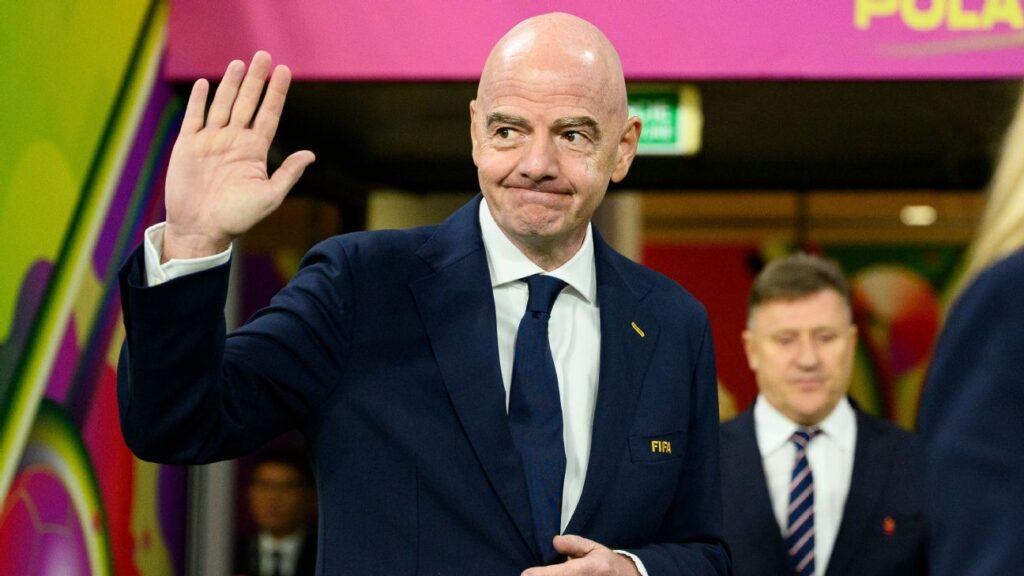
Background: A tense pre‑election atmosphere
The world governing body of football is gearing up for a pivotal presidential election slated for early 2027. Gianni Infantino, who has steered FIFA since 2016, faces mounting scrutiny after a series of governance controversies that have left many member associations uneasy about the direction of the sport’s global leadership.
Among the most vocal critics is UEFA, Europe’s football confederation, which recently submitted a formal set of questions to FIFA. The inquiry probes Infantino’s handling of financial transparency, the implementation of reforms promised after the 2015 corruption scandal, and the fairness of the upcoming election process.
Historically, disputes between FIFA and its continental confederations have resurfaced whenever a new election cycle approaches. The current tension mirrors earlier confrontations, such as the 2016 clash over the distribution of World Cup revenues and the 2020 debate on the introduction of a female vice‑president.
UEFA’s request and FIFA’s non‑committal reply
UEFA’s written questions arrived in early September and were intended to be answered before the candidate registration deadline on 30 November 2026. The deadline is crucial because any candidate who fails to meet it cannot appear on the ballot for the 2027 election.
FIFA’s response, released on 19 October, confirmed that the organization intends to provide answers, but it deliberately avoided promising a response by the 30‑November cut‑off. The statement emphasized that the federation will “address the matters raised in due course,” without specifying a timeline.
Officials from UEFA expressed disappointment, noting that the lack of a firm commitment undermines confidence in FIFA’s willingness to engage constructively. Sources close to the matter told local media that UEFA may consider escalating the issue to the FIFA Council if a satisfactory timetable is not established.
Why African football stakeholders are watching closely
The Confederation of African Football (CAF) has long argued that its voice is sidelined in FIFA’s decision‑making corridors. Any ambiguity around the election timeline could affect CAF’s own strategic planning, especially as it prepares for the 2027 Africa Cup of Nations and the 2029 World Cup qualifiers.
African national associations are particularly interested in the election because a new president could reshape the allocation of development funds. CAF estimates that roughly $150 million in FIFA‑directed grants are earmarked for infrastructure and youth programs across the continent each cycle; changes in governance could either accelerate or stall those projects.
Moreover, the possibility of an African candidate entering the race hinges on a clear and fair nomination process. If FIFA’s response to UEFA’s queries is perceived as evasive, it may embolden reform‑seeking factions within CAF to push for a stronger collective bargaining position, potentially reshaping the power balance at the next congress.
A broader pattern of governance challenges
The current standoff is part of a larger trend of football bodies confronting accountability demands. Since the 2015 FIFA corruption scandal, member associations across all continents have called for tighter oversight, independent audits, and term limits for senior officials.
Recent investigations by independent watchdogs have highlighted lingering concerns over the opacity of FIFA’s financial streams, especially the distribution of World Cup hosting revenues. The UEFA query touches on these same issues, signalling that European members are still dissatisfied with the pace of reform.
In Africa, similar frustrations have manifested in protests over the handling of the 2023 Women’s World Cup qualification process and the delayed rollout of the Women’s Club World Cup. The continent’s football leaders argue that without decisive action from FIFA, the credibility of global tournaments will continue to erode.
What could happen next and how it may shape the 2027 race
If FIFA ultimately delivers its answers after the 30‑November deadline, UEFA may seek to block or challenge the candidacy of any individual it deems compromised by the unresolved issues. Such a move could force the FIFA Council to intervene, potentially delaying the entire election timetable.
Conversely, a prompt and comprehensive reply could defuse tensions and open the floor to a more inclusive candidate pool. African officials have hinted that they would support a reform‑oriented nominee, provided the process is transparent and the election calendar remains intact.
Stakeholders are also watching the ripple effects on commercial contracts. Sponsors such as Adidas and Coca‑Cola have clauses tied to governance standards; any perception of instability could trigger renegotiations, which would directly impact revenue streams that fund African football development programs.
Quick Answers
When is the deadline for FIFA presidential candidates to be declared for the 2027 election?
The official deadline for submitting candidacy paperwork is 30 November 2026.
What did FIFA say about responding to UEFA’s questions on Infantino’s presidency?
FIFA confirmed it will answer the UEFA queries but did not promise to do so before the 30‑November candidate deadline.
How could the FIFA‑UEFA standoff affect African football?
Uncertainty around the election could influence CAF’s funding, the chances of an African candidate, and the overall reform agenda that impacts development projects across the continent.
Source: www.espn.com




💬 Comments 0