FIFA WC Private Investment Plan Rejected by UEFA 2026
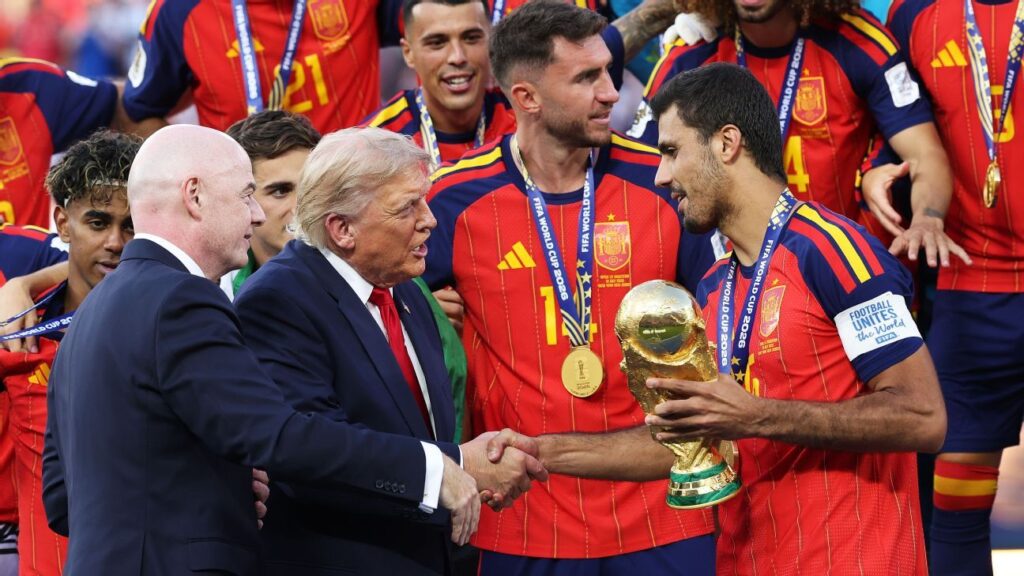
The Union of European Football Associations, UEFA, has strongly opposed a proposal by the Fédération Internationale de Football Association, FIFA, to sell stakes in the World Cup to private investors. According to reports, UEFA views this plan as a serious overstep of boundaries. The World Cup, being a pinnacle of international football competition, is considered by UEFA to be a treasure that should not be subject to private ownership.
UEFA's stance is clear: the World Cup is not a commodity that can be bought or sold like any other. It is an event of immense cultural and historical significance, and its ownership and control should remain in the hands of the governing bodies of football, not private entities. This perspective is reportedly shared by many in the football community, who see the FIFA proposal as a threat to the integrity and inclusiveness of the sport.
The rejection of the FIFA plan by UEFA is seen by some as a significant blow to the proposal's chances of success. As the administrative body for association football in Europe, UEFA's opinion carries considerable weight. The fact that UEFA has come out so strongly against the proposal suggests that there may be significant opposition to the idea of private investment in the World Cup from within the football community itself.
UEFA's argument is that the World Cup is not the property of FIFA to sell. It is an event that belongs to the global football community, and any decisions about its ownership or control should be made with the broader interests of the sport in mind. This perspective highlights the tension between the commercial interests of FIFA and the values of the football community, and raises important questions about the future of the World Cup and its role in the world of football.
The FIFA proposal to sell stakes in the World Cup to private investors has sparked a lively debate within the football community. While some see the potential for private investment to bring new resources and expertise to the sport, others are concerned about the risks of commercialization and the loss of control over the direction of the game. As the discussion continues, it remains to be seen whether the FIFA proposal will ultimately be accepted or rejected, and what the implications will be for the future of the World Cup and the sport as a whole.
Source: www.espn.com




💬 Comments 0