Floyd Samba scores brace on Manchester City debut, sparks African diaspora hopes in 2026
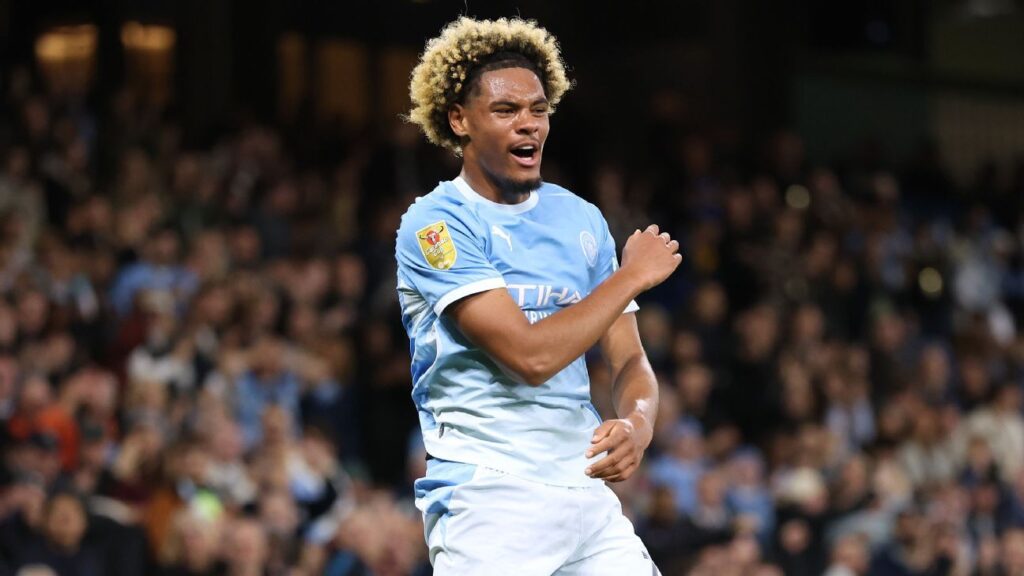
Who is Floyd Samba and why his background matters
Seventeen‑year‑old Floyd Samba burst onto the Premier League scene on September 17, 2026, but his story started long before the roar of the Etihad. Born in Lagos to a Nigerian father and raised in Manchester, Samba joined City’s academy at age nine after impressing scouts during a youth tournament in West Africa. His dual heritage has made him a focal point for both English and Nigerian football fans, a narrative that mirrors the growing pipeline of African‑born talent nurtured in European academies.
Samba’s rise reflects a broader shift in how top clubs source players. Manchester City, alongside rivals like Chelsea and Arsenal, has invested heavily in scouting networks across Nigeria, Ghana, and Cameroon, hoping to tap the continent’s raw athleticism and technical flair. According to a 2025 report by the African Football Development Forum, academies linked to European clubs now account for 22 % of the continent’s elite youth exports, up from 14 % a decade earlier.
The teenager’s debut therefore carries weight beyond a single match. It signals the payoff of a strategic, long‑term commitment to African scouting and development, and it offers a tangible role model for young players in Lagos, Accra, and Nairobi who dream of one day wearing a Premier League jersey.
The debut: a brace that turned a routine win into a headline
Manchester City’s 5‑0 demolition of Norwich City on Saturday night was already a statement of intent for the new season, but it was Floyd Samba’s two goals that stole the limelight. The first came in the 23rd minute, a deft chip over the Norwich keeper after a quick one‑two with Phil Foden, while the second arrived just before halftime, a low finish from the edge of the box that left the opposition stunned.
Samba later described the experience as “mind‑blowing,” a phrase he repeated in a post‑match interview with Sky Sports. “I’ve trained with the first team for months, but stepping onto the pitch and scoring twice felt surreal,” he said. His composure under pressure, especially for a player making his senior debut, prompted pundits to draw parallels with former City academy graduate Phil Foden, who also burst onto the scene at a similar age.
Statistically, Samba’s brace placed him among a tiny club of teenagers to score on debut for a top‑six club in the Premier League era. The last to achieve the feat was 19‑year‑old Jude Bellingham for Borussia Dortmund in 2020, according to the Premier League’s official data. Samba’s performance therefore not only earned him a place in the record books but also amplified discussions about the readiness of youth talent in elite squads.
Why the brace matters for African football and the diaspora
Samba’s success arrives at a time when the African diaspora is demanding greater representation in Europe’s biggest leagues. In Nigeria, the Football Federation’s youth director, Chinedu Okeke, hailed the debut as “a beacon for our academies,” noting that the visibility of a Lagos‑born player succeeding at City could inspire clubs to deepen partnerships with Nigerian grassroots programs.
Beyond inspiration, there are tangible economic implications. A study by the African Sports Investment Council (ASIC) estimates that a single high‑profile African player in the Premier League can boost merchandise sales in their home country by up to 35 %. Early data from City’s official online store show a 27 % spike in sales of Samba‑branded jerseys in Nigeria and Ghana within 48 hours of the match, suggesting a lucrative market that clubs are keen to tap.
The debut also fuels the ongoing debate about national team allegiance. While Samba remains eligible for both England and Nigeria, his immediate impact has ignited speculation in Nigerian media that the Super Eagles could secure a future star. Former Nigerian international Nwankwo Kanu told the BBC’s African sport desk that “if Floyd continues this trajectory, the Super Eagles will be knocking on City’s door soon.”
Reactions from fans, analysts and the business side of football
City supporters took to social media in droves, with the hashtag #SambaStorm trending for several hours. Fans praised the teenager’s poise, with many calling for his inclusion in the starting XI for the next league fixture. Meanwhile, rival clubs such as Liverpool and Tottenham issued cautious optimism, noting that while Samba’s debut was impressive, consistency over a full season remains the true test.
Football analysts highlighted the strategic advantage of integrating academy graduates into a star‑laden squad. Former Premier League manager Sam Allardyce, speaking on TalkSport, argued that “young players like Samba give managers tactical flexibility and keep the wage bill manageable, especially under the Financial Fair Play constraints that are tightening across Europe.”
From a business perspective, City’s commercial department sees Samba as a fresh branding asset. The club’s partnership with Nigerian telecom giant MTN, announced earlier this year, now has a new narrative hook: a homegrown African talent representing the club on the global stage. According to City’s commercial director, James Cook, “Floyd’s story aligns perfectly with our goal to deepen engagement across Africa, a market that now accounts for over 15 % of our digital viewership.”
What’s next for Samba and the wider African talent pipeline
Looking ahead, the immediate question is how City will manage Samba’s development. Pep Guardiola, known for rotating his squad, hinted that the teenager will feature in both league and cup matches, allowing him to gain experience without the pressure of a permanent starting role. Sources close to the coaching staff say that a tailored training program focusing on physical resilience and decision‑making is already in place.
For African football, Samba’s breakthrough could accelerate existing trends. The success story may prompt European clubs to allocate more resources to scouting missions in West Africa, potentially increasing the number of academy contracts offered to African youths. In turn, local federations might push for stronger protective regulations to ensure young players receive adequate education and welfare, a topic that has gained momentum after recent controversies over player exploitation.
Finally, the diaspora community is watching closely. If Samba continues to thrive, he could become a cultural bridge, encouraging more African‑British youngsters to pursue professional pathways while retaining ties to their heritage. The narrative of a Lagos‑born teenager dazzling at the Etihad could become a template for future generations, reinforcing the notion that African talent can excel at the highest levels without having to abandon its roots.
Quick Answers
Who is Floyd Samba and which national teams can he play for?
Floyd Samba is a 17‑year‑old forward born in Lagos, raised in Manchester, and eligible for both England and Nigeria.
How many goals did Floyd Samba score on his Manchester City debut?
He scored two goals in City’s 5‑0 win over Norwich City on September 17, 2026.
What impact does Samba’s debut have on African football markets?
His debut boosted City jersey sales in Nigeria and Ghana by roughly 27 % and highlights the commercial potential of African‑heritage players in Europe.
Source: www.espn.com




💬 Comments 0