Folarin Balogun’s Failed Everton Move: What It Means for USMNT and African Diaspora Football in 2026
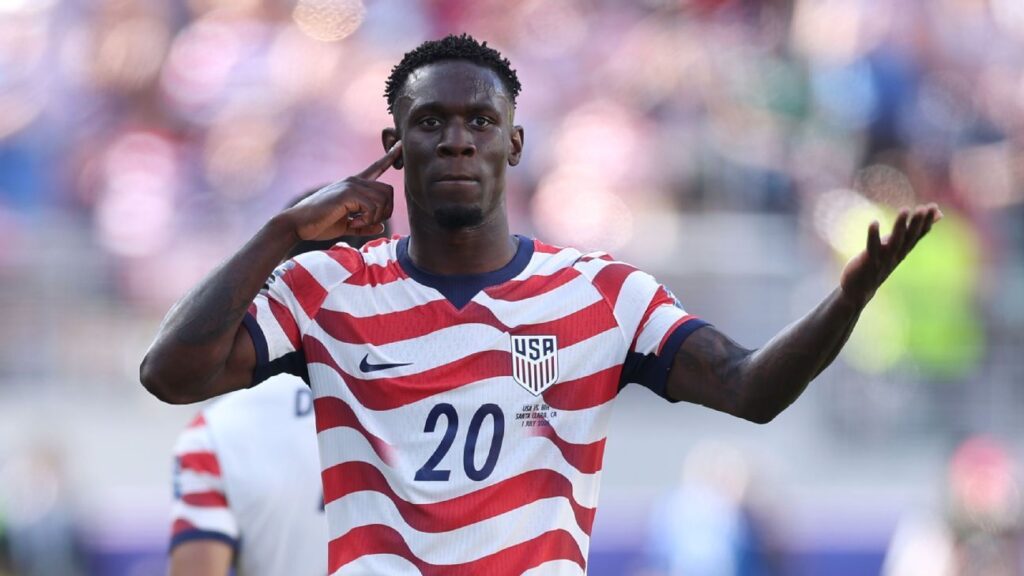
Background – Balogun’s meteoric rise and the Everton saga
Born in London to Nigerian parents and raised in the United States, Folarin Balogun emerged as one of the most talked‑about forwards of his generation. After starring for Arsenal’s academy and breaking into the senior squad, the 22‑year‑old earned a place in the United States national team, scoring on his debut in 2023. His form attracted interest from several Premier League clubs, and in July 2026 a €45 million deal with Everton was reportedly on the brink of completion, a move that would have placed him alongside seasoned internationals in a team fighting relegation.
The transfer, however, collapsed at the last minute. Sources close to the negotiation said Everton’s last‑minute change of management and a sudden shift in their budgetary priorities led to the deal being pulled. Balogun returned to Arsenal, leaving both the club and the player to reassess their options just weeks before the start of the season. The abrupt reversal sparked a flurry of commentary across sports media, with many questioning the impact on his development and the United States’ World Cup plans.
Pochettino’s stance – the USMNT coach’s promise of support
Mauricio Pochettino, who took over the USMNT in early 2024, confirmed that he had not yet spoken with Balogun about the failed transfer, but vowed to do so "in the coming days" to offer guidance. In a press conference on September 7, the Argentine‑born coach emphasized that the striker’s mental well‑being and playing time were top priorities, noting that Balogun’s role in the national team could be decisive for the 2026 World Cup hosted on home soil.
Pochettino’s comments reflect a broader shift in the USMNT’s approach to player management. Since his appointment, the coach has placed a premium on creating a supportive environment for dual‑national talents, many of whom navigate complex club situations abroad. By publicly committing to a conversation with Balogun, Pochettino aims to reassure other diaspora players that the federation will stand by them, even when club deals fall through.
Why the collapsed transfer matters for US soccer and the African diaspora
Balogun’s stalled move is more than a transfer headline; it underscores the growing reliance of the USMNT on players with African heritage who have honed their skills in Europe. According to a 2025 FIFA report, over 30 % of the US squad’s senior caps were earned by players born outside the United States, many of them of African descent. The loss of a guaranteed Premier League starting spot could affect Balogun’s match sharpness, potentially limiting his contribution at the World Cup.
For the African diaspora, Balogun’s situation highlights the delicate balance between club ambition and national allegiance. Young players of Nigerian, Ghanaian, or Senegalese origin watching the USMNT may see the federation’s proactive stance as a signal that their career paths can be nurtured without sacrificing international ambitions. Conversely, any dip in Balogun’s form could fuel debate in Nigeria about whether the nation missed out on a talent who might have bolstered the Super Eagles.
The broader pattern – African‑born talent thriving in Europe and its ripple effects
Balogun’s narrative fits into a larger trend of African‑born or African‑heritage players using European leagues as springboards to global prominence. In the past decade, the likes of Mohamed Salah, Sadio Mané, and Riyad Mahrez have not only transformed their clubs but also elevated the profile of African football on the world stage. Their success has prompted European clubs to scout more aggressively in West Africa and among diaspora communities in Europe and North America.
This surge has a two‑fold impact on African football. First, it creates a pipeline of revenue through transfer fees that can be reinvested in grassroots academies back home, as seen with the “Salah Academy” in Egypt and the “Mané Foundation” in Senegal. Second, it raises expectations among African fans that players will represent their ancestral nations, a sentiment that sometimes clashes with the players’ personal choices. Balogun’s decision to play for the United States, despite his Nigerian roots, reignites the conversation about identity, opportunity, and the role of national federations in courting diaspora talent.
What’s next – Balogun’s club future and the USMNT’s World Cup outlook
Arsenal has indicated that Balogun will stay at the club for the upcoming season, with manager Mikel Arteta promising regular minutes in cup competitions and a chance to compete for a starting berth in the Premier League. The club’s sporting director, according to a report by The Athletic, believes that keeping the striker in a familiar environment will aid his confidence after the Everton disappointment.
On the international front, Pochettino’s upcoming meeting with Balogun is expected to outline a clear pathway for the striker’s involvement in the USMNT’s World Cup campaign. The coach has already identified Balogun as a potential partner for seasoned forwards like Christian Pulisic and Timothy Weah, aiming to blend youthful pace with experience. If Balogun secures consistent club minutes, his presence could give the United States a tactical edge against traditional powerhouses, especially in a tournament where every goal counts.
Quick Answers
Why did Folarin Balogun's transfer to Everton fall through?
The deal collapsed because Everton changed their budget priorities and management stance at the last minute, according to sources close to the negotiation.
How will the failed move affect Balogun's role in the USMNT for the 2026 World Cup?
If he gets regular playing time at Arsenal, he can still be a key striker for the USMNT; lack of minutes could limit his impact, which Pochettino is keen to avoid.
What does Balogun's situation mean for African‑heritage players in the US national team?
It highlights the USMNT’s commitment to supporting diaspora talent and may influence future decisions of African‑born players weighing club versus national allegiance.
Source: www.espn.com




💬 Comments 0