G20 family photo cancelled after protests over Russian minister, Ed Miliband confronts Russia in Rome 2026
Background: A summit under a cloud
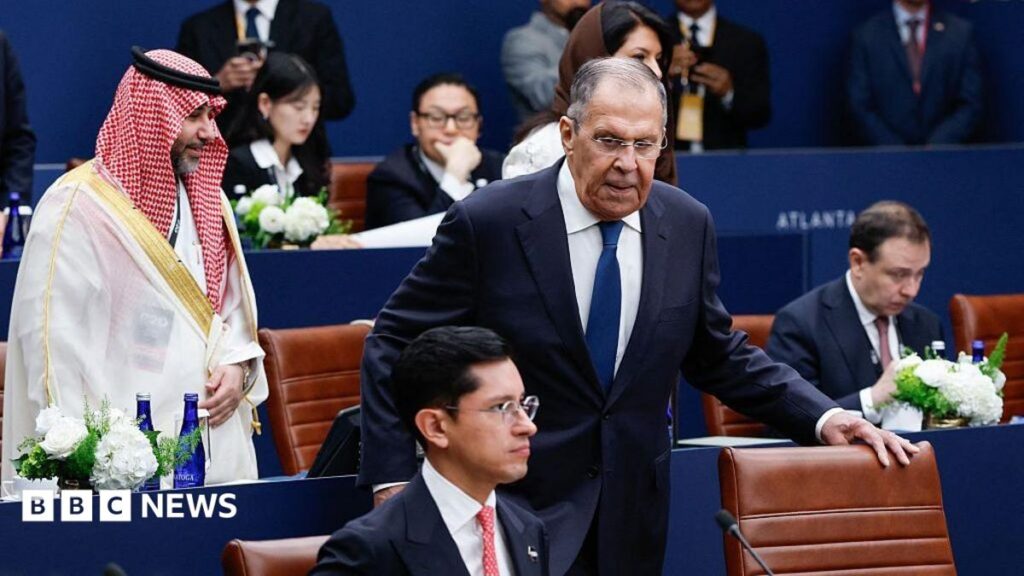
The 2026 G20 meeting in Rome was meant to showcase global cooperation on climate, trade and digital transformation. Yet the presence of Russian Foreign Minister Sergei Lavrov sparked immediate backlash from human‑rights groups and several European delegations, who argued that Russia’s ongoing war in Ukraine disqualified it from full diplomatic courtesy.
Pro‑Ukraine activists set up a makeshift camp outside the Palazzo del Governo, chanting slogans and waving Ukrainian flags. Their demands ranged from a public rebuke of Moscow’s actions to the removal of Lavrov from the official photo‑op that traditionally closes each summit. The protests were reported by Reuters and local Italian media, which noted that the demonstrators were joined by a handful of African diaspora students studying in Rome.
The controversy hit a nerve because the G20, unlike the UN, does not have a formal mechanism to suspend a member. The decision to keep Lavrov in the roster was therefore a political choice that signalled the group’s willingness to tolerate Russia’s participation despite the war, a stance that many Western leaders found increasingly untenable.
The confrontation: Ed Miliband’s blunt warning
During a closed‑door meeting on the second day of the summit, UK Foreign Secretary Ed Miliband walked up to Lavrov and, according to a briefing released by the UK Foreign Office, accused the Russian government of “killing innocent civilians in Ukraine”. Miliband’s remarks were captured on video and quickly circulated on social media, prompting a wave of commentary about the tone of the summit.
Lavrov responded calmly, stating that Russia was “defending its national interests” and that the accusations were “politically motivated”. Sources close to the UK delegation said Miliband’s intervention was pre‑planned as a way to signal Britain’s unwavering support for Ukraine, while also warning other G20 members that the conflict could not be ignored in multilateral fora.
The exchange set the stage for the decision to cancel the family photo. Organisers, citing security concerns and the risk of further diplomatic embarrassment, announced that the traditional group portrait would be omitted from the agenda. The move was widely covered by Western outlets such as the BBC and The Guardian, but few analyses have yet examined what the cancellation means for the G20’s credibility.
Why the photo mattered: Symbolism versus substance
The family photo is more than a ceremonial snapshot; it is a visual shorthand for unity among the world’s largest economies. When that image is withheld, it signals a fracture that can undermine the group’s collective bargaining power on issues ranging from climate finance to supply‑chain resilience.
Analysts at the Centre for International Governance Innovation (CIGI) argue that the absence of a joint picture will be used by critics to claim that the G20 is “splintering under the weight of geopolitical rivalries”. The visual cue of disunity can also embolden non‑aligned nations to question the relevance of the forum, especially when the G20 is expected to set the agenda for the upcoming UN Climate Change Conference (COP‑33).
In practical terms, the cancellation may affect how media outlets frame the summit’s outcomes. A unified image often softens the perception of heated debates, whereas a missing photo can amplify the narrative of discord, potentially influencing investor confidence and the willingness of multinational corporations to commit to G20‑endorsed initiatives.
African stakes: How the row reverberates on the continent
African economies are directly tied to several G20 decisions that are now under strain. Many countries on the continent rely on Russian grain imports to meet food‑security targets; sanctions that intensify because of the diplomatic showdown could disrupt supply chains and push up staple prices, a concern highlighted by the African Union’s Food Security Department.
At the same time, several African nations have been courting Russian investment in mining and energy projects. The diplomatic chill may force them to recalibrate their foreign‑policy calculus, balancing the need for development financing against the risk of being caught in a West‑Russia tug‑of‑war. According to a recent analysis by the South African Institute of International Affairs, the G20’s ability to present a cohesive front on climate finance is crucial for the $100 billion annual funding gap that African countries cite for renewable‑energy transitions.
The protests also gave a platform to African diaspora activists who demanded that the G20 address the climate‑justice dimension of the Ukraine war, arguing that the conflict diverts attention and resources away from the continent’s own climate emergencies. Their presence underscores a growing trend: African voices are increasingly insistent on being part of the geopolitical conversation, not just passive recipients of decisions made elsewhere.
What’s next: Diplomatic fallout and the road ahead
In the wake of the photo cancellation, the G20 chairmanship – currently held by Italy – faces pressure to re‑assert the summit’s relevance. Sources within the Italian foreign ministry say that a “re‑commitment ceremony” may be scheduled for the final day, designed to showcase a renewed consensus on trade and climate issues while sidestepping the Russian delegation’s participation in the visual element.
Western leaders, notably the United States and the United Kingdom, are expected to push for a stronger statement on Ukraine at the next G20 summit in Brazil in 2027. If the bloc moves toward a more punitive stance on Russia, African members may be forced to choose sides, potentially reshaping the continent’s diplomatic alignment in the long term.
For African businesses, the immediate concern is market volatility. Commodity traders have already flagged a possible uptick in wheat and fertilizer prices as sanctions tighten. Meanwhile, renewable‑energy firms are watching the G20’s climate‑finance agenda closely, hoping that the summit can still deliver on promised funding despite the diplomatic turbulence.
Quick Answers
Why was the G20 family photo cancelled at the 2026 summit?
Organisers scrapped the traditional group portrait after protests over Russian Foreign Minister Sergei Lavrov’s presence and a heated exchange between UK Foreign Secretary Ed Miliband and Lavrov, citing security and diplomatic concerns.
What did Ed Miliband say to the Russian foreign minister at the summit?
Miliband accused Russia of “killing innocent civilians in Ukraine,” a statement that was captured on video and widely reported by the UK Foreign Office and international media.
How could the G20 row affect African economies?
Tighter sanctions on Russia may disrupt grain imports and raise food prices in Africa, while a divided G20 could jeopardise climate‑finance commitments that many African nations rely on for renewable‑energy projects.
Source: www.bbc.co.uk
💬 Comments 0